 Angel Doris
Global As the latest cycle of the World Cup commenced this week, the revered international soccer tournament found itself unfolding within an unprecedented geopolitical landscape, colloquially dubbed the Trump era. This grand sporting event, typically a beacon of global unity, is notably tinged with a pervasive sentiment of nostalgia for preceding epochs and an undercurrent of pessimism concerning the contemporary world order.
The dichotomy of emotions is stark, with fans and commentators alike observing the proceedings through a lens shaped by recent global shifts. Analysts suggest that the prevailing mood reflects a longing for simpler times, perhaps an idealized past where sports transcended political divides with greater ease. This nostalgia frequently contrasts with the current climate, characterized by heightened international tensions and economic uncertainties.
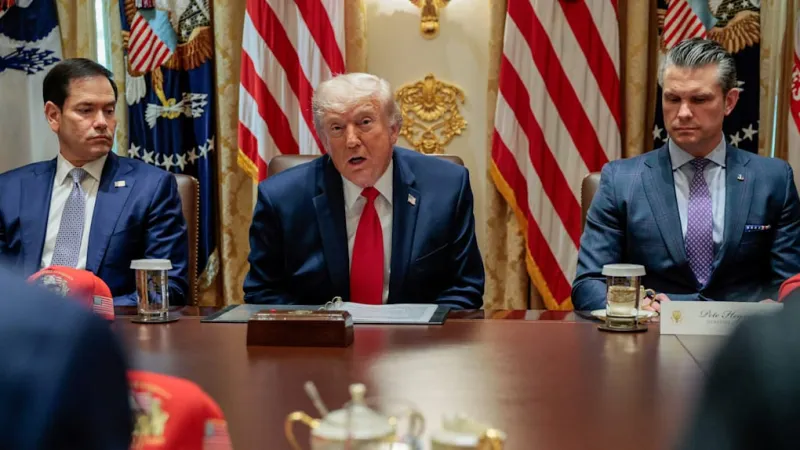
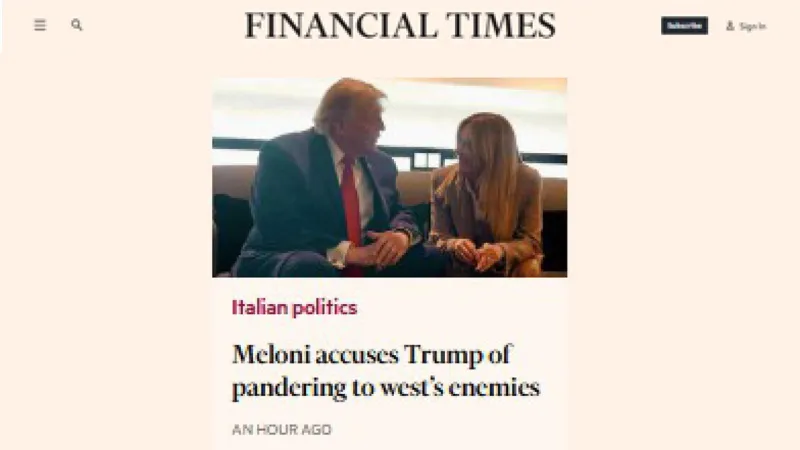
President Donald Trump's administration, now in its latest term as of 2026, has undeniably recalibrated international relations, fostering an environment that observers describe as more nationalistic and less multilateral. This shift inevitably influences large-scale global gatherings like the World Cup, where the spirit of international cooperation and camaraderie often encounters friction with political realities.
Major international sporting events, while ostensibly apolitical, frequently become barometers for the global mood. The World Cup, with its immense viewership and participant diversity, offers a unique microcosm of the world's hopes and anxieties. Its kickoff in this specific political epoch underscores the intricate relationship between sports and geopolitics, challenging the notion of a purely escapist athletic spectacle.
Pessimism, voiced by various pundits and a segment of the global public, stems from a confluence of factors including persistent conflicts, climate change concerns, and economic instability. These broader societal anxieties inevitably cast a shadow over even the most celebrated global events, prompting a more introspective and sometimes somber reflection on the state of the world.
Conversely, the nostalgia often manifests as a yearning for periods when the geopolitical stage seemed less volatile or when sports iconography held a more straightforward, unifying appeal. It evokes memories of past tournaments, their heroes, and the seemingly less complicated global narratives they embodied.
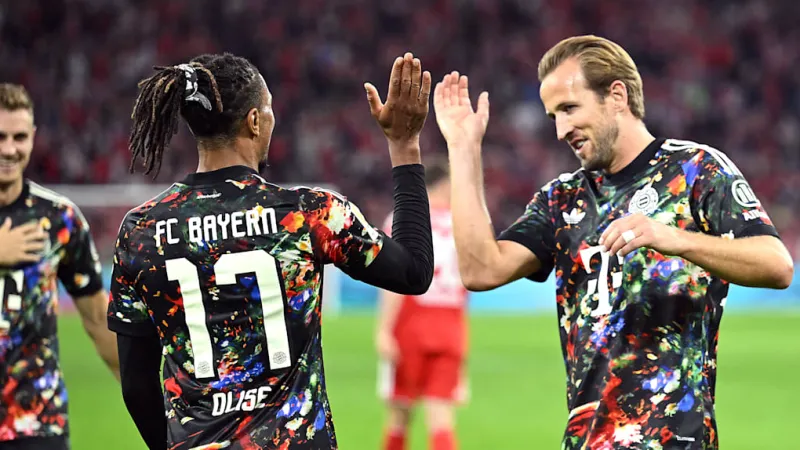
Even as the larger narrative unfolds, the on-field action continues to captivate. Recent matches, such as Scotland Edges Haiti in Tense World Cup Opener, highlight the enduring competitive spirit and the thrill of the game itself, providing moments of pure sporting drama amidst the broader reflections. Similarly, earlier fixtures like Morocco Secures Stunner 1-1 Draw Against Brazil in World Cup Clash have showcased the unpredictable nature of the tournament.
Organizers have largely maintained a message of unity and athletic excellence, emphasizing the World Cup's role in bringing people together regardless of their backgrounds. However, even official statements subtly acknowledge the challenges of hosting such an event in a deeply divided world, advocating for sportsmanship and mutual respect as paramount virtues.
Social media channels and public forums buzz with discussions that extend beyond game analyses, frequently touching upon the overarching themes of global identity and political influence on cultural events. This engagement reflects a public deeply attuned to the broader implications of such significant gatherings.
Historians recall previous World Cups held during periods of significant global upheaval, noting that sports have always mirrored, and sometimes influenced, political currents. The present era, however, introduces unique dimensions, particularly concerning the interconnectedness facilitated by digital media and the instant dissemination of information and opinion.
Adding to the complexities, the economic impact of the World Cup remains a crucial aspect, bringing substantial revenue and tourism to host nations. Yet, even these financial benefits are analyzed through the lens of a global economy navigating intricate trade relations and fluctuating markets, further entwined with the political decisions emanating from powerful nations.
As the tournament progresses, observers will continue to watch not just the scoreboard, but also the subtle interplay between the global sport and the prevailing political mood. The World Cup of the Trump era serves as a compelling case study, illustrating how deeply entrenched sports have become in the tapestry of international affairs, reflecting both humanitys greatest aspirations and its most profound anxieties.
The opening rounds have confirmed that this World Cup is more than just a series of matches; it is a cultural phenomenon steeped in a nuanced blend of hope, remembrance, and apprehension, a true reflection of its turbulent times.