 Dodi Irawan
Al Khor, Qatar – The Moroccan national football team secured a notable 1-1 draw against five-time champions Brazil in a highly anticipated World Cup group stage match, demonstrating their burgeoning strength on the global football stage. The stalemate, achieved through a second-half equalizer from Ismael Saibari, answered Vinícius Juniors earlier strike for Brazil, leaving both sides with a share of the points in a fiercely contested battle that captivated audiences worldwide.
The result marks a significant moment for Morocco, who continued to defy expectations following their impressive performance in recent international tournaments. Their disciplined defense and opportunistic attack proved a formidable challenge for the South American giants, highlighting a tactical maturity that has seen them rise through the ranks of global football.
For Brazil, the draw represents a slight stumble in their World Cup campaign, though not a catastrophic one. Widely tipped as tournament favorites, the Seleção entered the match with immense pressure to deliver a commanding performance. While they showed flashes of their characteristic brilliance, they ultimately failed to convert their dominance into a decisive victory, underscoring the increasing competitiveness of the World Cup.
The deadlock was broken by Brazilian sensation Vinícius Junior, who capitalized on a defensive lapse in the 34th minute. His clinical finish, following a swift build-up, showcased the individual quality that Brazil relies upon to unlock stubborn defenses. The goal ignited the vibrant crowd, predominantly Brazilian supporters, who anticipated a comfortable win.
However, Morocco responded with resilience. Their persistence paid off in the 67th minute when Ismael Saibari found the back of the net. The equalizer, a testament to Moroccos fighting spirit and strategic counter-attacking prowess, silenced many of the Brazilian faithful and re-energized the Moroccan contingent, transforming the match atmosphere.
Moroccos tactical setup proved instrumental in stifling Brazils potent attacking line. Their midfield pressed aggressively, disrupting Brazils rhythm, while their backline remained compact and organized, frustrating numerous attempts by Richarlison, Neymar, and other Brazilian forwards to penetrate their defensive third.
Brazil, despite falling behind, pushed hard for a winner in the final quarter of the match. Substitutions aimed at injecting fresh attacking impetus saw intensified pressure on the Moroccan goal. Several close calls, including a spectacular save from the Moroccan goalkeeper and a shot that rattled the post, kept the outcome uncertain until the final whistle.
The draw holds significant implications for both teams progression in the World Cup. Morocco gains a crucial point against a top-tier opponent, bolstering their chances of advancing from the group stage and sending a clear message to future rivals about their capabilities.
Conversely, Brazil will undoubtedly reflect on missed opportunities. While a point against a strong Moroccan side is not a disaster, it places greater emphasis on their upcoming fixtures to secure top spot in their group and ensure a favorable draw in the knockout rounds. The ambition surrounding Brazils quest for another World Cup title remains fervent, with the teams preparations often a topic of intense discussion, as evidenced by articles like Ancelottis World Cup Dream Ignites New York As Brazil Prepares.
Coaches from both camps offered measured reactions post-match. The Moroccan coach praised his teams character and discipline, emphasizing their belief in their ability to compete at the highest level. The Brazilian coach acknowledged the quality of their opponents and committed to refining their strategy for the next games, expressing confidence in his squads ability to bounce back stronger.
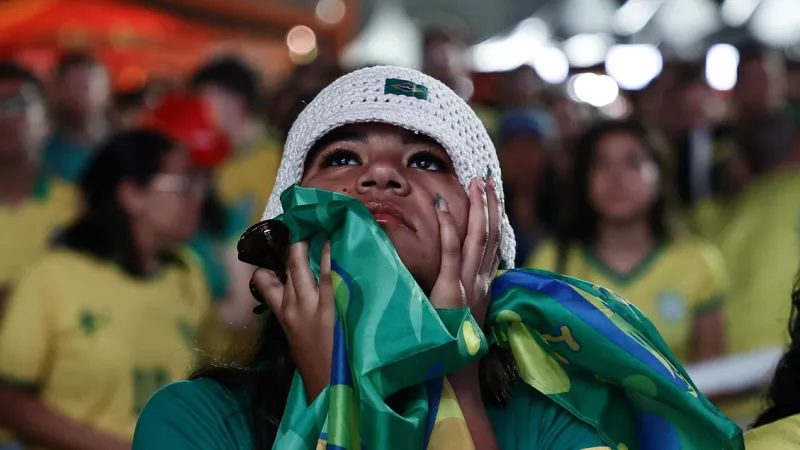
Fans from both nations engaged in spirited discussions online and in fan zones, dissecting every moment of the enthralling World Cup encounter. Moroccan supporters celebrated the draw as a victory, while Brazilian fans expressed a mix of disappointment and cautious optimism for their teams future performances in the tournament.
The outcome contributes to a recurring narrative of increasing parity within international football, where traditional powerhouses face stiffer competition from emerging nations. Such results make the World Cup an even more compelling spectacle, promising further unpredictable contests as the tournament progresses towards its climax.
This hard-fought World Cup match underscores the unpredictable nature of footballs premier global competition, ensuring that the road to the trophy will be anything but straightforward for any contender. The performance of both teams sets an intriguing precedent for the remainder of the group stage.