 Robert Andrison
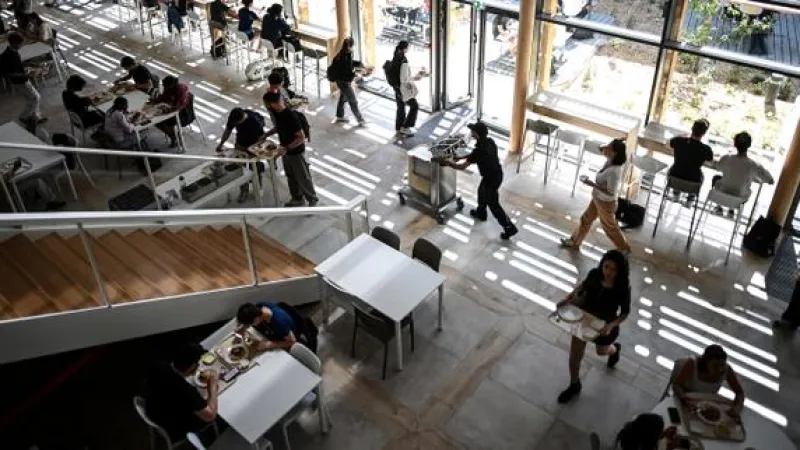
PARIS – A recent parliamentary report in France has sounded an alarm regarding the widespread 1-euro student meal program, asserting it poses a significant threat to the financial equilibrium of the Crous network and risks diluting crucial aid for the nations most vulnerable students. The findings, released in 2026, underscore escalating concerns over the programs long-term sustainability as the number of meals served continues its anticipated surge across university dining halls.
The Crous, Frances regional centers for university and school services, manage student accommodation, grants, and dining facilities. Their operational model, designed to support students, now faces unprecedented pressure from the universal low-cost meal initiative, originally expanded to alleviate financial hardship during the recent economic downturns.
Initially conceived as a targeted measure, the 1-euro meal was made universally accessible to all students, irrespective of their financial status or scholarship eligibility, following the pandemic. This expansion, while lauded for its immediate relief, has inadvertently placed a substantial and growing burden on the Crous budget.
The parliamentary examination highlights that while the program aims for broad access, its universal application could paradoxically undermine its core objective: supporting the most financially precarious students. Resources stretched thin by widespread demand may lead to less effective or less personalized assistance where it is most critically needed.
Analysts affiliated with the report suggest that the sheer volume of anticipated demand for the 1-euro student meals is outstripping Crous current infrastructure and financial provisions. This situation creates a looming risk of operational difficulties, including potential queues and reduced quality of service in university restaurants.
Concerns extend beyond mere financial deficits. The report explicitly warns of potential tensions arising within university dining environments. An increase in daily diners, coupled with static or dwindling resources per meal, could strain staff, facilities, and the overall student experience.
Policymakers now confront a dilemma: how to maintain an equitable and accessible student meal program without jeopardizing the fundamental financial stability of the institutions tasked with its implementation. The report calls for a reevaluation of the funding mechanisms and perhaps a more nuanced approach to eligibility.
While the program has undoubtedly offered a lifeline to many students struggling with cost-of-living increases, its unintended consequences require urgent attention. Experts argue that a balanced approach is imperative, ensuring that aid remains targeted and effective for those most in need, while also maintaining the integrity of public services like the Crous.
The parliamentary committee proposing these findings emphasizes that without corrective measures, the Crous could face severe budgetary shortfalls. Such a scenario would not only threaten the 1-euro meal scheme itself but also imperil other essential student support services managed by these regional centers.
Discussions are expected to intensify within the National Assembly as lawmakers grapple with these revelations. The future of the 1-euro student meals program, a cornerstone of social support for French higher education, now hangs in the balance, prompting a national debate on welfare provisioning and fiscal responsibility.
This situation in France mirrors broader European challenges regarding student welfare and the rising costs of living, compelling governments to find sustainable solutions for their student populations.