 Demian Sahputra
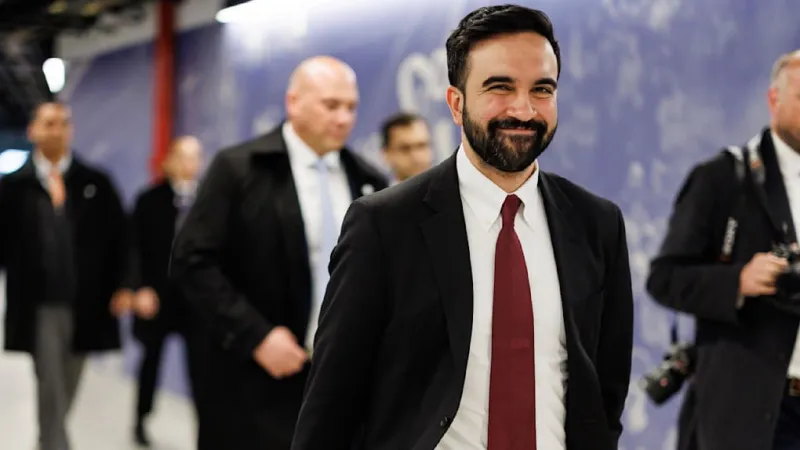
NEW YORK – Mayor Zohran Mamdani has initiated a controversial citywide rent freeze on millions of apartments, fulfilling a key campaign pledge aimed at mitigating soaring housing costs where average rents now surpass $4000. This bold policy, however, immediately draws sharp criticism from economic experts who caution against unintended consequences, frequently citing Germany's historical struggles with similar measures.
The metropolitan area has long grappled with an escalating housing crisis, a challenge exacerbated by a robust demand that consistently outpaces supply. Residents often allocate a disproportionate share of their income to rent, fueling a public outcry that Mayor Mamdani addressed during his electoral campaign.
Mamdani's administration argues that the rent freeze is a necessary intervention to protect vulnerable populations and stabilize the housing market, ensuring that New York remains accessible to its diverse working class. The policy is presented as a direct response to what officials describe as predatory rental practices and an unsustainable cost of living.
The specific details of the policy dictate that rental prices for an estimated one million units will remain static for a defined period, preventing landlords from implementing annual increases. This move directly impacts a substantial segment of the city's renter population, promising immediate financial relief for many households.
Despite the populist appeal, a broad consensus among economists signals profound skepticism regarding the freeze's long-term efficacy. Critics argue that while providing temporary relief, such policies invariably distort market dynamics, leading to a cascade of negative effects that ultimately harm the very residents they intend to help.
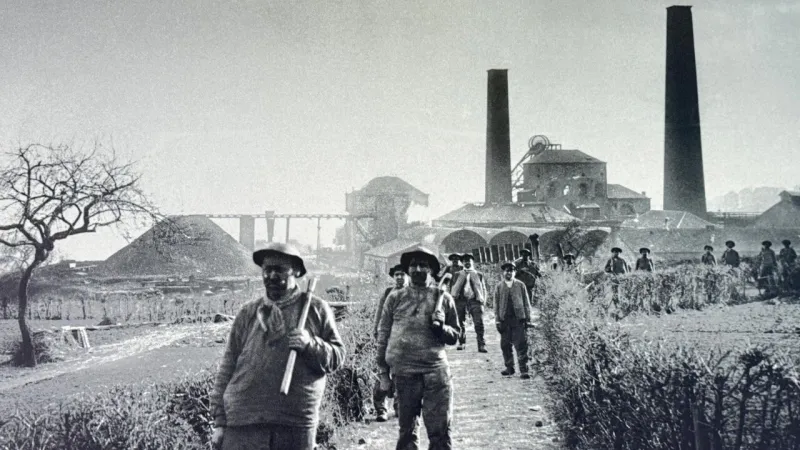
The most prominent cautionary tale repeatedly referenced by experts is Germany's experience with various forms of rent caps and freezes. Decades of restrictive housing policies in German cities, particularly Berlin, have often resulted in outcomes contrary to their original intent.
In Germany, strict rent control measures have been linked to a significant deterioration of existing housing stock, as landlords found little financial incentive to invest in maintenance or upgrades. Furthermore, the policies discouraged new construction, exacerbating housing shortages and limiting options for residents.
Economically, rent freezes interfere with the fundamental principles of supply and demand. By capping prices below market equilibrium, they disincentivize new investment in residential real estate, shrinking the available housing pool and potentially fostering underground markets.
Industry analysts warn that New Yorks policy could trigger a substantial flight of capital from the citys real estate sector. Developers, facing diminished returns on investment, may redirect resources to more favorable markets, further stifling the creation of new housing units.
Property owners, particularly those managing older buildings, could find themselves unable to cover rising operational costs, including property taxes, utilities, and labor. This financial strain could lead to deferred maintenance, accelerating the decay of affordable housing rather than preserving it.
Moreover, the freeze might discourage property owners from offering units on the traditional rental market, potentially leading to an increase in vacant properties or conversion to alternative uses, thereby tightening an already constricted supply.
The political stakes for Mayor Mamdani are considerable. While he stands to gain support from a significant portion of the electorate seeking affordable housing, the long-term economic repercussions could undermine his administration's broader goals and create a lasting fiscal burden for the city.
Experts advocate for alternative solutions that focus on increasing housing supply through zoning reform, incentivizing new construction, and providing targeted subsidies or housing vouchers to low-income residents, rather than broad market interventions.
The debate over New Yorks rent freeze underscores a complex challenge facing global metropolises: how to balance housing affordability with the necessity of a healthy, functioning real estate market. The citys experiment will be closely watched, with its trajectory potentially offering critical lessons for urban policy worldwide.