 Dorry Archiles
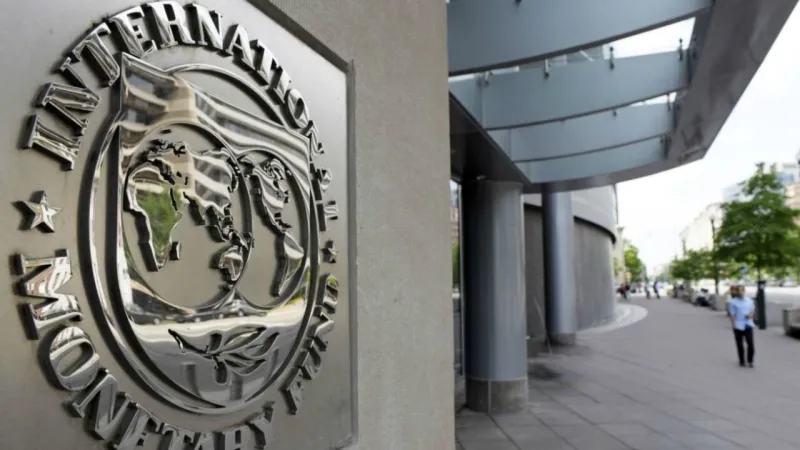
The International Monetary Fund (IMF) recently commended Rome for its substantial progress in financial consolidation, acknowledging the efforts made to stabilize its public finances. Despite this praise, the global financial institution issued a clear call for Italy to accelerate its structural reforms, emphasizing that sustained economic growth and resilience hinge upon swifter action in critical policy areas. The IMF also confirmed Italy's economic growth estimates, projecting a modest 0.5% expansion for both 2026 and 2027.
The IMF's assessment, released after its regular Article IV consultation with Italy, underscores a critical juncture for the eurozone's third-largest economy. While acknowledging significant improvements in managing its formidable public debt and reducing its deficit, the institution highlighted the persistent need for bolder policy initiatives to unlock Italy's full economic potential.
Specifically, the report detailed that current fiscal policies have been instrumental in steering Italy toward a more sustainable trajectory. The disciplined approach to budget management by the Italian government has received international recognition, signaling a commitment to fiscal responsibility that is crucial for investor confidence.
However, the Fund's experts stressed that this progress, while laudable, represents only the initial phase. The call to accelerate reforms is not merely a suggestion but a strategic imperative to address deep-seated structural rigidities that have historically constrained Italy's productivity and competitiveness.
Key areas identified for accelerated reform include the labor market, public administration, and the judicial system. Streamlining bureaucracy, enhancing the efficiency of public services, and improving the speed of justice are seen as fundamental steps to foster a more dynamic business environment and attract foreign investment.
The modest growth projections of 0.5% for both 2026 and 2027, while stable, illustrate the need for such structural overhauls. Without these reforms, Italy risks remaining susceptible to external shocks and failing to keep pace with its more agile European counterparts. The forecasts indicate a steady but unexciting path absent significant policy shifts.
These projections, which remain consistent with previous IMF outlooks, reflect both global economic headwinds and domestic structural challenges. The Italian government's ability to navigate these complexities while simultaneously pushing through ambitious reforms will define its economic legacy.
The IMF has consistently advocated for Italy to tackle its elevated public debt, which remains a significant vulnerability. While consolidation efforts are mitigating the immediate risks, a robust, growth-oriented strategy is essential for a sustained reduction in the debt-to-GDP ratio over the long term.
Policymakers in Rome are now faced with the task of translating the IMF's recommendations into concrete legislative action. The delicate balance involves maintaining fiscal prudence while stimulating investment and innovation, a challenge amplified by the prevailing political landscape and potential public resistance to change.
The imperative for Italy extends beyond mere compliance with international financial bodies. It is about future-proofing its economy, ensuring prosperity for its citizens, and enhancing its strategic standing within the European Union. The IMF's message is a clear endorsement of direction, coupled with a firm demand for increased pace.
As the world watches, Italy's response to this call for acceleration will be a crucial indicator of its commitment to long-term economic vitality. The coming months will reveal the government's capacity to enact reforms that transcend incremental adjustments and truly transform the nation's economic framework.