 Edward DP Situmorang
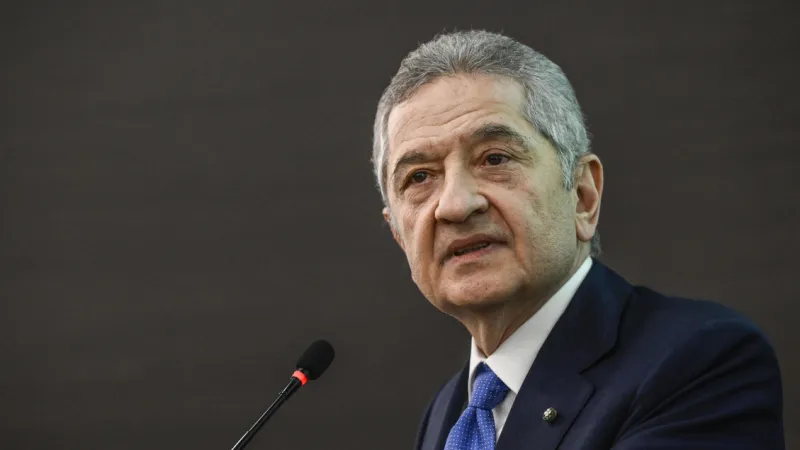
ROME – Bank of Italy Governor Fabio Panetta delivered his comprehensive final considerations this week, coinciding with the publication of the institution's 2025 Annual Report. His remarks outlined Italy's economic trajectory and the significant challenges anticipated for the coming year, providing a detailed assessment of both domestic and global financial landscapes.
The annual presentation by the Governor of the Bank of Italy represents a pivotal moment for understanding the nation's economic health and future policy directions. It typically sets the tone for public debate on fiscal stability, monetary policy, and structural reforms critical for sustained growth.
The 2025 Annual Report serves as a detailed ledger of Italy's economic performance throughout the previous year, offering granular data on GDP growth, inflation rates, employment figures, and public debt. Panetta's considerations extended beyond mere recitation, providing a forward-looking analysis that acknowledges current uncertainties and potential opportunities.
Sources close to the report indicate a nuanced picture for 2025, with growth projections showing a modest but steady recovery, albeit one shadowed by persistent inflationary pressures. While initial forecasts suggested a stronger rebound, global economic headwinds have necessitated a more conservative outlook from the central bank.
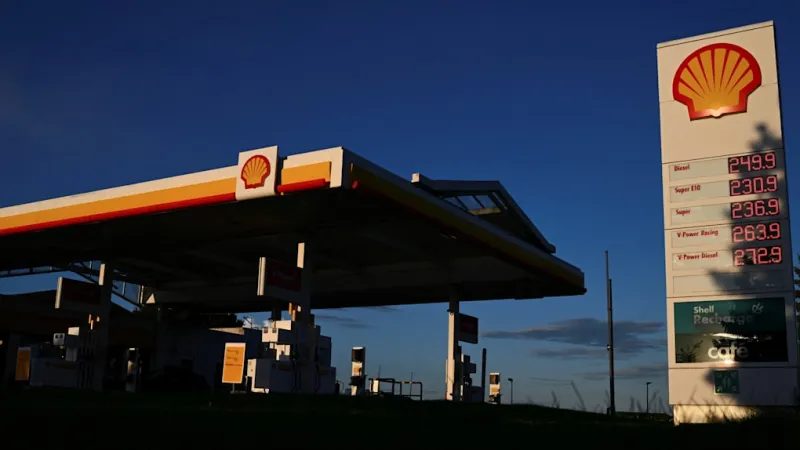
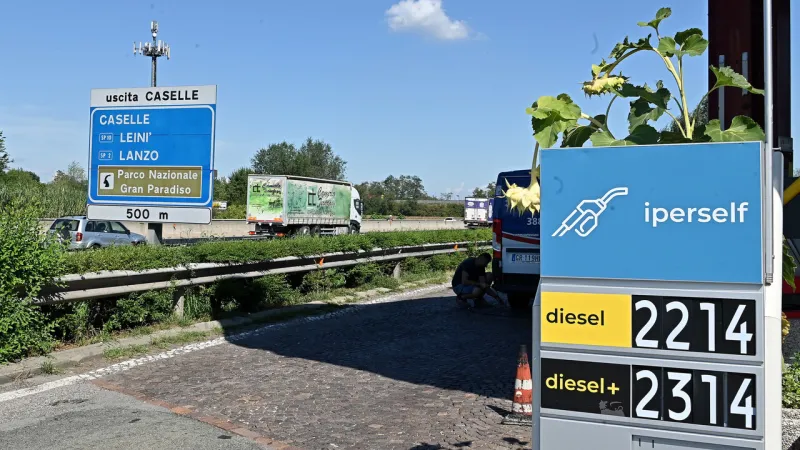
A central theme of Panetta's address was the ongoing battle against inflation, which continues to erode household purchasing power. This struggle resonates deeply with the public, as highlighted by recent survey findings from Eurispes, indicating that half of Italians fear worsening fragility amid the cost crisis. This sentiment underscores the urgency of effective monetary and fiscal interventions.
The labor market, while showing signs of resilience, faces its own set of pressures. Panetta likely emphasized the need for policies that support job creation and wage growth commensurate with the rising cost of living, a contentious issue that has already led to Italian unions announcing a nationwide strike over the crisis.
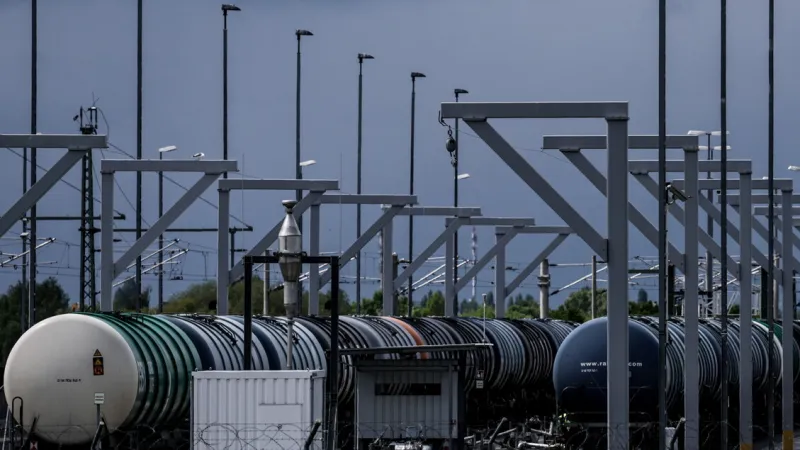
Italy's economic fate is inextricably linked to the broader European context. Panetta invariably touched upon the European Central Bank's monetary policy stance and the fiscal coordination efforts within the Eurozone. The ongoing discussion about how member states might repurpose cohesion funds for the energy crisis also likely factored into his commentary.
Global geopolitical tensions and their impact on supply chains and energy prices constituted another critical aspect of the governor's analysis. The report presumably cautioned against complacency, urging proactive measures to mitigate external shocks that could derail economic recovery.
Panetta has consistently advocated for deep-seated structural reforms to enhance Italy's long-term competitiveness. His final considerations likely reiterated calls for improvements in public administration, justice, and market liberalization, emphasizing their importance for attracting investment and fostering innovation.
Managing Italy's substantial public debt remains a paramount concern. The governor's insights would have addressed the delicate balance between necessary public spending, particularly for energy transition and social safety nets, and the imperative for fiscal prudence to ensure sustainability.
Acknowledging the transformative power of technology, the report likely included sections on digitalization and innovation. Panetta probably highlighted the need for greater investment in research and development, and for policies that facilitate the digital transition across industries to boost productivity.
A core responsibility of the Bank of Italy is oversight of the national banking system. The considerations would have provided an update on the health and resilience of Italian banks, their capital adequacy, and their ability to support the real economy amidst changing interest rate environments.
As Panetta delivers these final considerations for the 2025 report, it marks a significant point in his tenure, potentially shaping the dialogue for his subsequent engagements or eventual succession planning. The institution's role in guiding Italy through complex economic waters remains undiminished.
The 2025 Annual Report and Governor Panetta's accompanying address paint a picture of cautious optimism tempered by an acute awareness of both domestic vulnerabilities and external pressures. The blueprint for navigating these challenges, as laid out by Bankitalia, emphasizes resilience, strategic reforms, and prudent fiscal management.