 Dodi Irawan
The European Union has formally instructed its 27 member states to consider repurposing existing Cohesion Policy funds to address the continent's persistent energy crisis. This directive, articulated in a pivotal communication, represents a strategic shift in the bloc's approach to immediate economic pressures and long-term energy resilience. The move has already generated significant discussion, particularly concerning a developing contention with European regions over its implementation.
The urgency for this reallocation stems directly from the prevailing energy landscape in 2026, characterized by volatility and the imperative for greater energy independence. European Commission officials underscore that Cohesion funds, traditionally earmarked for fostering economic convergence and reducing regional disparities, offer an immediate and substantial financial reservoir that could be swiftly deployed for energy-related investments.
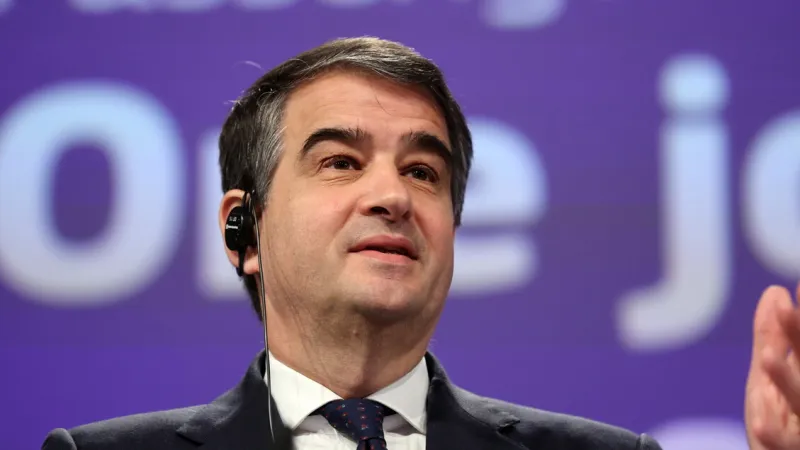
The initiative gained momentum with a significant letter from Raffaele Fitto, a prominent figure in European affairs, which served as a primary response to the evolving crisis. This correspondence outlined the rationale behind mobilizing these funds, emphasizing their potential to finance critical infrastructure projects, promote renewable energy sources, and enhance energy efficiency across the Union.
Cohesion Policy funds constitute a major part of the EU budget, designed to support economic development, employment, and social cohesion. Their primary goals include improving transport infrastructure, boosting innovation, and promoting environmental protection. Diverting these resources for energy security marks a notable departure from their conventional application, reflecting the extraordinary nature of the current challenges.
The proposed redirection aims to empower member states to invest in projects such as upgrading national grids, developing hydrogen infrastructure, expanding solar and wind energy capacities, and improving energy insulation for buildings. Such investments are deemed crucial for mitigating the impact of global energy market fluctuations and achieving the EU's ambitious climate targets.
However, the proposal has encountered resistance from several European regions. Regional authorities often have specific plans tied to Cohesion funding, including local development initiatives, infrastructure projects, and social programs. They express apprehension that a broad reallocation for energy could disrupt ongoing projects and undermine the original objectives of regional cohesion and balanced development.
Representatives from affected regions articulate concerns about the potential for centralizing decision-making regarding these funds, thereby eroding local autonomy. They argue that regional disparities, which Cohesion funds are designed to alleviate, could widen if resources are abruptly shifted without adequate consultation or compensatory measures for local economies.
The European Commission maintains that flexibility within the Cohesion Policy framework allows for such adjustments, especially during times of crisis. The directive seeks to provide member states with the necessary latitude to prioritize national energy needs while still adhering to the overarching goals of EU solidarity and sustainable development.
Discussions are ongoing between the Commission, member state governments, and regional councils to navigate these complexities. The outcome will likely shape the balance between immediate crisis response and long-term strategic investments in regional development, setting a precedent for future EU funding allocations during periods of significant strain.
Ultimately, the success of this strategy hinges on its ability to balance urgent energy demands with the sustained development objectives of Europe's diverse regions. The ability to effectively harness Cohesion funds for energy security could significantly bolster the EU's collective resilience against future shocks, while also testing the cohesion of the bloc's decision-making processes.