 Dorry Archiles
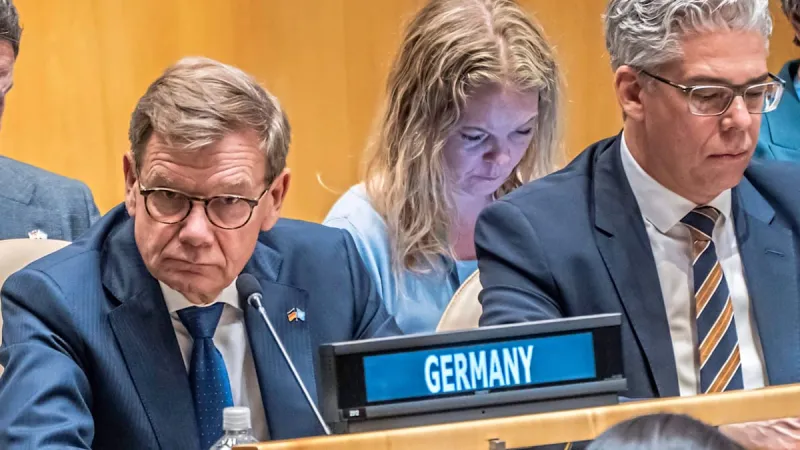
NEW YORK – Germany has suffered a substantial diplomatic defeat at the United Nations, failing in its bid to secure a non-permanent seat on the powerful UN Security Council. The outcome marks a notable foreign policy setback for the federal government in Berlin, which lost decisively to Austria during the recent election, securing only 104 votes compared to Austria's 131.
This unexpected turn of events transpired in the General Assembly, where member states cast their ballots for the highly sought-after positions. For Germany, a nation often aspiring to a greater global diplomatic footprint, the outcome is being scrutinized intently within political circles and by international observers.
The contest for the rotating seats on the Security Council often reflects the intricate web of global alliances and geopolitical maneuvering. Securing a seat offers a nation unparalleled influence on critical international peace and security decisions, making the competition fierce among aspiring member states.
WELT-Reporter Michael Wüllenweber, among others, is delving into the factors that contributed to what has been widely described as a crushing defeat for German diplomacy. Analysts are exploring whether the campaign lacked sufficient outreach, was hampered by specific policy positions, or simply faced a more robust and effective campaign from its Austrian counterpart.
The disparity in votes – a 27-vote difference – suggests a clear preference among the UN membership for Austria. This outcome necessitates a careful reevaluation of Germany's diplomatic strategies and its approach to international campaigning for such prominent roles.
For the federal government, this failure represents more than just a procedural loss; it challenges the perception of Germany's standing and influence on the world stage. Securing a Security Council seat is often seen as a barometer of a nation's diplomatic weight and its ability to garner broad international support.
The UN Security Council comprises 15 members, with five permanent members (China, France, Russia, the United Kingdom, and the United States) and ten non-permanent members elected for two-year terms. These non-permanent seats are crucial for regional representation and for giving a voice to a wider array of international perspectives on global challenges.
Sources close to the diplomatic community suggest that Germany's campaign may have underestimated the intensity of the competition or faced unexpected headwinds from certain blocs. The process demands extensive lobbying, coalition building, and a clear articulation of a nation's contributions to global peace and security.
This setback for Germany comes at a time of complex global dynamics, where international cooperation is paramount, and multilateral institutions like the UN are under increasing pressure. Understanding the root causes of this defeat will be critical for Berlin's future foreign policy endeavors.
Related analyses on this significant event have emerged, detailing the political fallout and the broader implications. For further reading, refer to reports such as Germany's UN Security Council Bid Fails, Sparks Political Fallout, Germany Suffers Bitter Defeat in UN Security Council Bid, and Germany's UN Security Council Bid Stumbles, Ex-Envoy Downplays Setback. The decisive victory for Austria also draws attention to its diplomatic efforts, including recent initiatives such as Austria Urges EU to End Protection for Ukrainian Fighting-Age Men.
Moving forward, the German government will undoubtedly conduct a thorough post-mortem to identify weaknesses and refine its diplomatic approach. The incident serves as a stark reminder that even established powers cannot take international support for granted in the competitive arena of global governance.