 Chris Robert
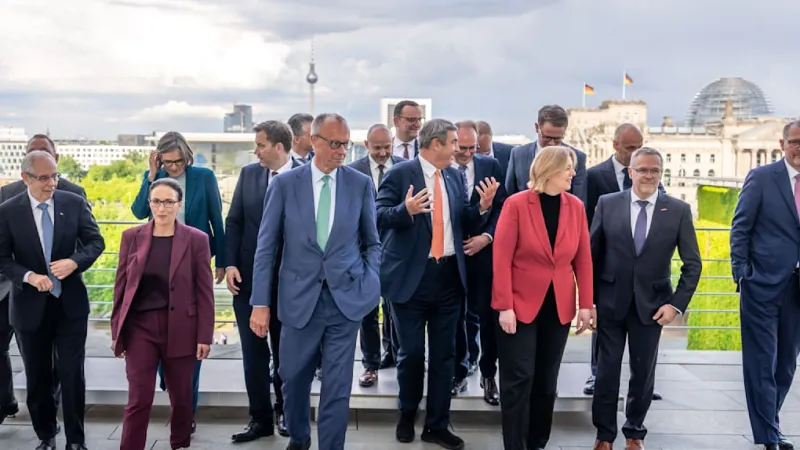
BRUSSELS – European Union interior ministers convened recently for initial discussions regarding a significant policy shift: the potential restriction of automatic protection status for Ukrainian men aged 23 to 60. The contentious proposal, strongly advocated by Austria, seeks to halt new asylum grants for this demographic, primarily citing Ukraine’s critical demand for its male citizens to bolster defense efforts against ongoing aggression.
Austria has been a vocal proponent of reassessing the broad temporary protection measures initially implemented following the full-scale invasion of Ukraine. Vienna argues that the current framework inadvertently deters men who could contribute to their nation’s defense from returning home, thereby exacerbating the manpower shortage faced by Kyiv.
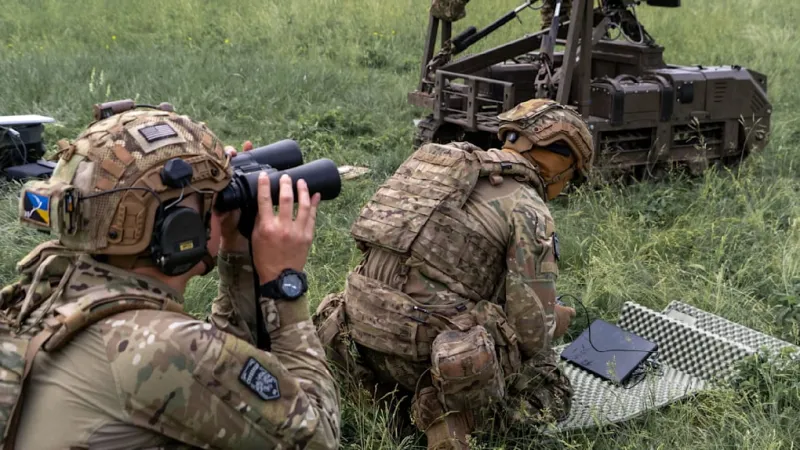
Ukraine has consistently appealed to its international partners for support in its struggle for sovereignty, a struggle that increasingly hinges on sustained military and civilian participation. The nation faces continuous challenges in mobilizing sufficient personnel to maintain its defensive lines and conduct necessary operations, a situation compounded by the displacement of millions. Recent reports indicate that Ukraine's drone industry thrives amid war, striking deep into Russia, yet ground forces remain paramount.
The current EU Temporary Protection Directive, activated in March 2022, offers immediate and collective protection to individuals fleeing the conflict, including residency rights, access to the labor market, housing, and medical assistance. This directive bypasses standard asylum procedures, providing a swift response to the unprecedented displacement. The debate now centers on whether this blanket protection, particularly for military-eligible men, remains appropriate four years into the conflict.
Should the EU adopt Austria's proposal, it could have profound implications for Ukraine's ability to replenish its ranks. A reduced protection status might pressure men in the specified age bracket to consider returning to Ukraine, potentially facing conscription. This move could also signal a shift in the EU's approach to the refugee crisis, balancing humanitarian aid with geopolitical realities.
Critics of the proposal raise significant humanitarian concerns, emphasizing the principle of non-refoulement, which prohibits returning individuals to a country where they would likely face persecution or serious harm. Human rights organizations contend that forcing men back into a war zone, even for national defense, could violate international human rights laws and conventions.
While Austria leads the charge, views among other EU member states remain diverse. Some nations, already strained by refugee numbers, might find the proposal appealing as a means to manage migration flows and reduce social service burdens. Others, particularly those geographically closer to Ukraine, may express reservations, fearing a potential destabilization or a moral compromise. The broader context of EU foreign policy towards the conflict, as seen in Hungary's recent decision to drop its EU veto on Ukraine's accession, shows the complexities involved.
The legal framework surrounding such an amendment would need meticulous scrutiny. Adjusting a directive initially designed for emergency, unconditional protection presents complex ethical and legal quandaries for the bloc. It tests the balance between a sovereign nation's right to self-defense and the international community's duty to protect vulnerable populations.
This discussion is not without precedent in international refugee discourse, though the scale and specifics are unique to the Ukrainian conflict. Nations globally have grappled with policies concerning military-age refugees from conflict zones, often leading to polarized debates on national security versus individual rights.
The economic and social impact on both host countries and Ukraine itself is also a key consideration. While host nations might perceive a reduction in social welfare expenditure, the sudden outflow of working-age men could also impact their labor markets. For Ukraine, an influx of returning citizens, even if for military service, would represent a significant demographic shift with both potential benefits and challenges.
The initial consultations among interior ministers represent merely the beginning of a potentially long and arduous process. Any amendment to the Temporary Protection Directive would require broad consensus, navigating the complex interplay of national interests, humanitarian principles, and the evolving geopolitical landscape of the protracted conflict.
As Europe watches the war in Ukraine intensify, the debate over its citizens protection status underscores the difficult choices confronting EU policymakers as they strive to balance solidarity with strategic imperatives. The outcome of these discussions will significantly shape the lives of hundreds of thousands of individuals and define a crucial chapter in European migration policy.