 Angel Doris
Speculation intensifies across diplomatic circles regarding a potential diplomatic compromise between President Donald Trump's administration and Iranian leadership, a move anticipated to carry profound geopolitical repercussions for the Middle East. Analysts suggest such an agreement could deal a significant blow to Washington's regional strategy, further impact the Iranian populace, and critically undermine Israel's security posture, potentially jeopardizing the political standing of Prime Minister Benjamin Netanyahu and his ultraright coalition partners.
The prospect of President Trump forging a deal with Tehran is seen by many observers as a potential strategic defeat for the United States in the region. Such an accord, particularly one perceived as offering concessions to Iran's clerical establishment, could erode trust among traditional American allies and fundamentally alter the delicate balance of power that Washington has sought to maintain.
For the Iranian populace, the implications of a Trump-Iran deal are complex and varied. While some might anticipate economic relief from sanctions, critics warn that a compromise could inadvertently strengthen the current regime without necessarily empowering the citizens or fostering greater freedoms. The balance between international engagement and internal reform remains a contentious issue within the country.
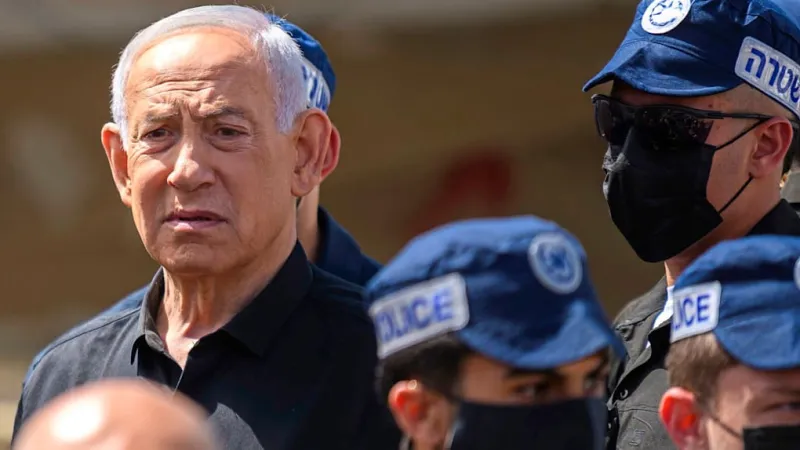
Israel views any rapprochement between the US and Iran with deep skepticism and concern. Prime Minister Benjamin Netanyahu has long been an outspoken critic of efforts to normalize relations with Tehran, particularly regarding its nuclear program and regional proxy activities. His government consistently advocates for a firm stance against Iran, viewing it as the greatest threat to Israeli security.
A diplomatic breakthrough between Washington and Tehran could directly threaten Netanyahu's political survival. His current ultraright coalition partners maintain an uncompromising position on Iran, and any perceived softening of Israel's main ally toward its arch-nemesis would be met with fierce opposition. Such an eventuality could trigger a crisis within his government, potentially leading to its collapse.
Historically, President Trump withdrew the United States from the Joint Comprehensive Plan of Action, or JCPOA, in 2018, citing the deal's flaws and calling for a stronger approach to curb Iran's nuclear ambitions and destabilizing regional actions. A new compromise would mark a significant shift from that earlier stance, signaling a new chapter in American foreign policy toward the Islamic Republic.
The leadership in Tehran, often referred to as the Mullahs, seeks sanctions relief and international recognition while maintaining its regional influence and ideological principles. A deal with the Trump administration would represent a strategic victory for them, potentially easing domestic economic pressures and legitimizing their position on the world stage, even as Trump's Iran deal approval remains uncertain.
While the precise contours of any potential compromise remain undisclosed, discussions likely revolve around Iran's nuclear enrichment capabilities, its ballistic missile program, and its support for regional proxy groups. A successful negotiation would require significant concessions from both sides, something that has proven elusive in the past.
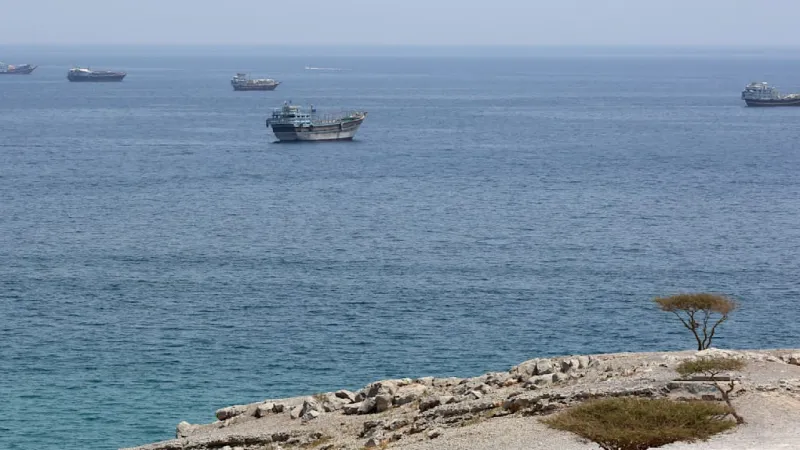
Regional actors, including Saudi Arabia and the United Arab Emirates, are closely monitoring these developments. A fundamental shift in US-Iran relations could force these nations to recalibrate their own foreign policy strategies and alliances, potentially leading to new regional alignments or heightened tensions. The possibility of a Hormuz truce decision by President Trump previously highlighted the intricate nature of regional stability.
Domestically within the United States, a Trump-Iran deal would face scrutiny from various political factions. While some may laud it as a diplomatic achievement, others, particularly those aligned with a more hawkish foreign policy, would likely condemn it as capitulation, creating significant political headwinds for the administration.
Political analysts underscore that the ongoing discussions are fraught with peril and opportunity. Achieving a compromise that satisfies all parties and ensures lasting stability in the Middle East is an exceptionally formidable challenge, particularly given the deep-seated mistrust and conflicting objectives that characterize US-Iran-Israel relations.
For Prime Minister Netanyahu, the stakes are undeniably high. A Trump-Iran deal, especially one perceived as unfavorable to Israeli interests, could be the catalyst that unravels his carefully constructed ultranight coalition, precipitating new elections and marking a potential end to his lengthy political career. The intricate web of domestic and international pressures he faces illustrates the profound impact of such diplomatic maneuvering.
The international community watches keenly as the possibility of a new diplomatic paradigm emerges between Washington and Tehran. The implications of this unfolding situation extend far beyond the immediate parties, promising to redefine alliances and security dynamics across a volatile region for years to come.