 Angela Stefani
WASHINGTON – President Donald Trump has elected to delay a definitive decision on a proposed agreement between the United States and Iran, which aims to establish a temporary calm in the tumultuous Gulf region. The unexpected deferral leaves the critical Strait of Hormuz in a precarious state, following a series of renewed, reciprocal attacks that have destabilized maritime security.
The White House confirmed Tuesday that President Trump requires additional days to meticulously review the terms of what was understood to be a potential 60-day truce. This development prolongs an already tense standoff, casting uncertainty over diplomatic efforts to de-escalate military posturing in the world's most vital oil shipping lane.
Sources close to the negotiations, which have largely occurred through back channels, indicate that the proposed accord sought to significantly reduce military patrols and curb aggressive maneuvers by both US and Iranian forces within the strait. The intent was to create a buffer period for broader, more substantive discussions on regional stability.
However, just as optimism flickered, reports emerged of recent cross-attacks in the Strait of Hormuz, underscoring the fragility of the current environment. These incidents, though details remain sparse, demonstrate the ever-present risk of miscalculation that could rapidly spiral into a wider confrontation.
The strategic importance of the Strait of Hormuz cannot be overstated. Roughly one-fifth of the world's total oil consumption, and one-third of all seaborne crude, passes through this narrow choke point daily. Any disruption there sends immediate shockwaves through global energy markets.
Analysts suggest President Trump's delay might stem from a desire to extract further concessions from Tehran, or perhaps to consolidate domestic political support for any potential rapprochement. The administration faces a delicate balance between securing regional stability and maintaining a firm stance against Iran's broader activities.
Previously, an agreement titled Tehran, Washington Agree to 60-Day Truce in Volatile Hormuz Strait had reportedly been reached, creating an expectation for a more formalized announcement. This latest delay complicates the narrative and fuels speculation about the true state of US-Iran diplomatic engagement.
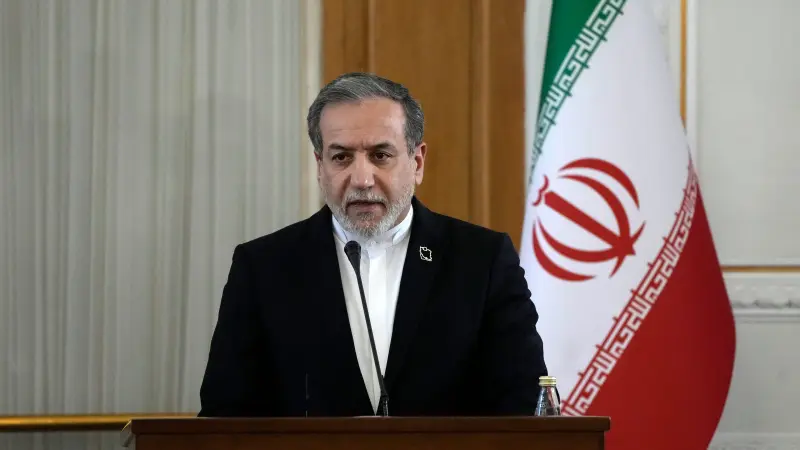
Tehran has not yet issued an official response to President Trump's decision, but state media commentaries hint at frustration regarding the lack of a swift resolution. Iran has consistently maintained that its presence in the Gulf is for defensive purposes and to secure its own maritime interests.
Regional allies of the United States are closely monitoring the situation. Many have expressed concerns over the recurring instability, which directly impacts their economic interests and security. A prolonged period of heightened tension risks drawing them into a wider regional conflict.
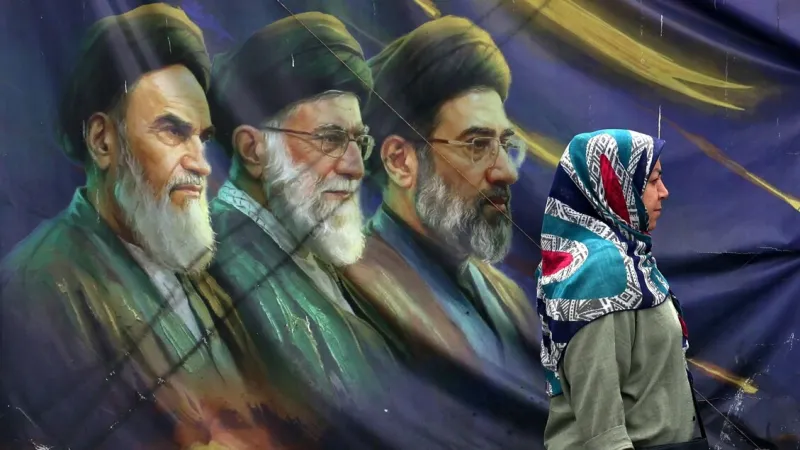
Experts on international relations emphasize that the current situation in the Persian Gulf is inherently unstable. Incidents such as those previously reported in articles like Khamenei Accuses US, Israel As Regional Tensions Flare; Hormuz Incidents Mount highlight the volatile interplay of national interests and geopolitical ambitions.
President Trump's decision is now eagerly awaited by international observers, who understand that the path forward for the Hormuz Strait will have profound implications for global trade, energy prices, and the broader Middle East. The coming days will be critical in determining whether diplomacy can avert further escalation in this flashpoint region.
The White House has indicated that an announcement from President Trump regarding his final determination on the Gulf truce proposal is expected before the end of the week, though no specific date or time has been provided.