 Debby Wijaya
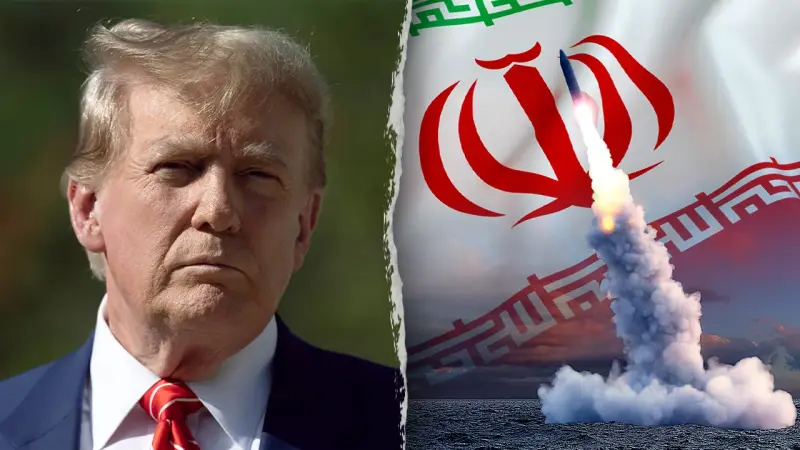
WASHINGTON — President Donald Trump has rejected a proposal from Iran offering to open a strategic maritime strait in exchange for initiating broader nuclear negotiations, a senior Iranian official revealed today. The move signals a deepening impasse between Tehran and Washington, casting a shadow over future diplomatic efforts to curb Iran's nuclear program.
The proposal, described by the unnamed Iranian official as a significant gesture of de-escalation, aimed to create an environment conducive to high-stakes discussions about Iran's nuclear ambitions. Tehran reportedly sought to demonstrate goodwill by addressing a key international concern regarding regional shipping lanes.
While the official did not explicitly name the strait, regional analysts widely assume the offer pertains to the Strait of Hormuz, a vital chokepoint for global oil shipments. Iran has, at various times, threatened to impede passage through the strait in response to international sanctions or military pressure.
The Trump administration, however, evidently views the proposal as insufficient or improperly timed. US policy has consistently demanded comprehensive concessions from Iran regarding its nuclear activities, ballistic missile program, and regional proxy forces, without pre-conditions.
According to the Iranian official, who spoke on condition of anonymity due to the sensitivity of the diplomatic overture, Iran expected the proposal to be a bridge-building measure. They expressed disappointment at what they characterized as an immediate and unyielding rejection from the White House.
Relations between the United States and Iran have remained highly strained since President Trump withdrew the US from the Joint Comprehensive Plan of Action (JCPOA), commonly known as the Iran nuclear deal, in 2018. Subsequent US sanctions have severely impacted Iran's economy.
Numerous attempts by various international actors to mediate a resumption of talks between the two nations have faltered over the years. Both sides have often presented non-negotiable demands, leading to repeated diplomatic deadlocks.
This latest rejection could further complicate international efforts to restore stability in the Middle East, particularly concerning nuclear non-proliferation. Experts suggest it reinforces Iran's perception that the US is unwilling to engage in good-faith negotiations without significant upfront concessions from Tehran.
As of 2026, international atomic energy monitors continue to report on Iran's expanding uranium enrichment activities, which have progressed beyond the limits set by the original JCPOA. This advancement remains a primary concern for Washington and its allies.
The diplomatic setback leaves little immediate room for optimism regarding a peaceful resolution to the nuclear standoff. Observers fear that continued stalemate could heighten regional tensions, potentially leading to further proxy conflicts or military posturing in the Persian Gulf.
The Iranian official did not elaborate on the specific channels through which the proposal was conveyed to the Trump administration, nor did they provide intricate details of the proposed terms beyond the opening of the strait.
The White House has not yet issued an official statement regarding the Iranian official's claims. Calls to the National Security Council for comment were not immediately returned.