 Angel Doris
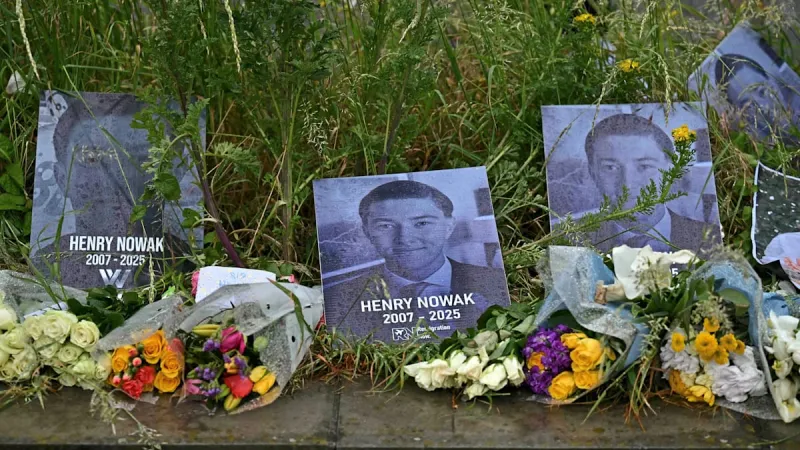
Great Britain is currently engulfed in intense debate and widespread protests following the tragic death of Henry Nowak, a white man who was reportedly attacked and then mistakenly identified as an aggressor due to his ethnicity. This harrowing incident, occurring recently, has ignited a national conversation about the evolving nature of racism, with some prominent figures arguing that prejudice is increasingly being directed against white individuals.
The circumstances surrounding Nowak's demise have sent shockwaves across the nation. Reports indicate that Nowak was a victim of an assault but was subsequently perceived as the perpetrator solely based on his white skin color. This critical misidentification, occurring during a violent confrontation, tragically contributed to his death and amplified concerns about systemic biases.
Human rights activist Seyran Ateş weighed in on the contentious issue, stating, "We have partly lost our inner compass." Her comment underscores a growing sentiment that established societal norms regarding prejudice and discrimination may be shifting, necessitating a reevaluation of how racism is perceived and addressed.
The incident has galvanized various communities, leading to demonstrations in major cities across the United Kingdom. Protestors are demanding a thorough investigation into Nowak's death, emphasizing the need for justice and accountability for all victims of violence, regardless of their racial background.
Historically, the term racism has predominantly been associated with discrimination and prejudice against marginalized ethnic groups. However, the tragic case of Henry Nowak compels a reexamination of these established definitions, prompting discussions on whether such biases can manifest in various directions within a complex, multicultural society.
Law enforcement authorities in the affected region have confirmed an ongoing investigation into the circumstances of Nowak's death. Officials have yet to release full details, but public pressure mounts for transparency and for all elements of the incident, including potential racial motivations for the misidentification, to be thoroughly scrutinized.
Sociologists and cultural commentators suggest that such incidents highlight deep-seated tensions within diverse populations. These experts often point to the dangers of prejudgment and the importance of objective assessment in situations involving conflict, cautioning against quick assumptions based on appearance or perceived group identity.
The burgeoning debate touches upon sensitive aspects of identity politics and social justice movements. While acknowledging historical oppressions, many voices now advocate for a more inclusive understanding of discrimination, ensuring that all forms of prejudice, including potential anti-white racism, are recognized and addressed.
This evolving discourse extends beyond the immediate tragedy, influencing broader public policy discussions about diversity, equity, and inclusion initiatives. Policymakers face the challenge of crafting frameworks that combat all manifestations of racism while fostering genuine societal harmony.
The reverberations from Nowak's death are also prompting comparisons to other incidents where judicial processes and public perception intersect with racial identity. For instance, the demand for stringent legal responses in cases like the deadly Magdeburg Christmas attack underscores the public's desire for justice to be served decisively and fairly, irrespective of the identities involved.
The path forward, many observers contend, requires open dialogue and a commitment to understanding the multifaceted nature of prejudice in modern society. Only through such sustained engagement can communities hope to heal divisions and prevent future tragedies stemming from misidentification and racial bias.
As Great Britain grapples with these profound questions, the case of Henry Nowak stands as a stark reminder of the urgent need for a societal introspection regarding its collective inner compass and its capacity to ensure equitable treatment and justice for every individual.