 Angela Stefani
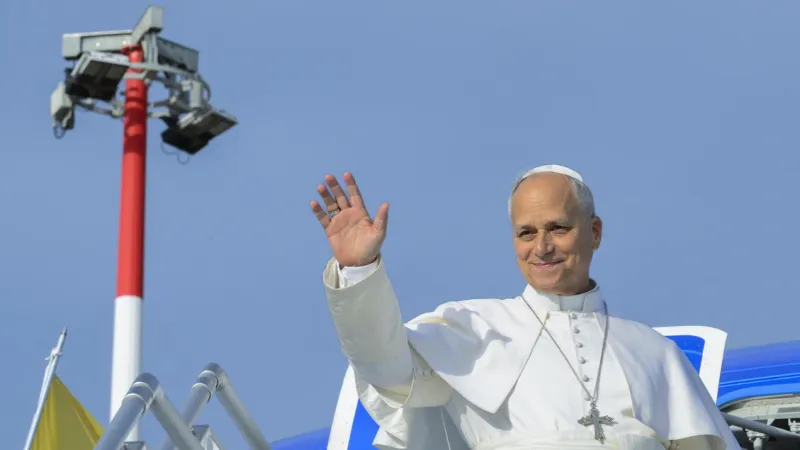
VATICAN CITY – Pope Leone XIV today embarked on a pivotal apostolic journey to Spain, departing from Rome amidst farewells from high-ranking civil and military officials. The pontiff's visit is widely anticipated to confront the escalating clerical abuse crisis within the Spanish Church and engage with political leadership, including Prime Minister Pedro Sanchez.
The papal flight took off from Ciampino Airport after a brief, formal ceremony where key Italian dignitaries, including a representative of the President of the Italian Republic and the Chief of Defense Staff, offered their respects. The scene underscored the diplomatic significance attached to this visit by both the Holy See and the Italian state.
This journey marks a critical juncture for the Catholic Church, as Pope Leone XIV is expected to address deep-seated issues that have plagued the institution for years. The focus remains squarely on accountability, transparency, and pastoral care for victims, themes the pontiff has championed since his election.
Informed observers suggest the primary agenda item will be the clerical abuse scandal, a challenge the Pope has vowed to tackle head-on. A prior report indicated intense scrutiny around the visit, with the Pontiff expected to confront the abuse crisis in Madrid directly, also involving Prime Minister Sanchez.
Spain, a historically Catholic nation, has recently grappled with widespread revelations of abuse within its Church, leading to urgent calls for greater transparency and justice from both the public and governmental circles.
The Spanish government, under Prime Minister Sanchez, has been particularly vocal in demanding robust accountability from the Church, setting the stage for potentially tense but necessary discussions during the Pope's stay. This engagement signifies a crucial dialogue between secular and religious authorities.
Papal visits traditionally serve to reinforce faith and unity among Catholics worldwide. However, Pope Leone XIVs trip carries an additional weight, positioned as a direct intervention into a crisis threatening the Churchs moral authority and public trust.
Pope Leone XIV has consistently reiterated his commitment to zero tolerance for abuse and has initiated several reforms aimed at preventing future incidents and supporting survivors. This visit to Spain is seen as a tangible demonstration of that unwavering commitment.
While specific details of the Pope's itinerary remain closely guarded, meetings with Spanish bishops, representatives of victim groups, and senior government officials are widely expected. Public masses and engagements with the faithful will also form a significant part of the visit, offering opportunities for spiritual solace.
The road ahead is undoubtedly challenging. The Church in Spain, like in many other parts of the world, faces a profound crisis of trust. Pope Leone XIVs diplomatic skill and moral leadership will be thoroughly tested as he navigates these sensitive and emotionally charged discussions.
Many hope the Pope's visit will not only offer solace and recognition to victims but also catalyze significant institutional changes within the Spanish Church, ensuring justice is served and fostering a safer environment for all.
The outcome of these discussions could have far-reaching implications, influencing the complex relationship between the Church and state in Spain and potentially setting a precedent for how other nations address similar issues with religious institutions.
This papal journey highlights a global reckoning for the Catholic Church, as various countries around the world continue to demand redress and comprehensive reform in response to historical abuses.
International media outlets will closely follow every development of the Pope's visit, scrutinizing his statements and actions for signs of concrete progress or further challenges in addressing the profound crisis.
Across Spain, there is a mix of hope, skepticism, and profound anticipation among the populace. For many, this visit represents a crucial opportunity for healing, reconciliation, and a renewed sense of purpose for the Catholic Church in their nation.