 Debby Wijaya
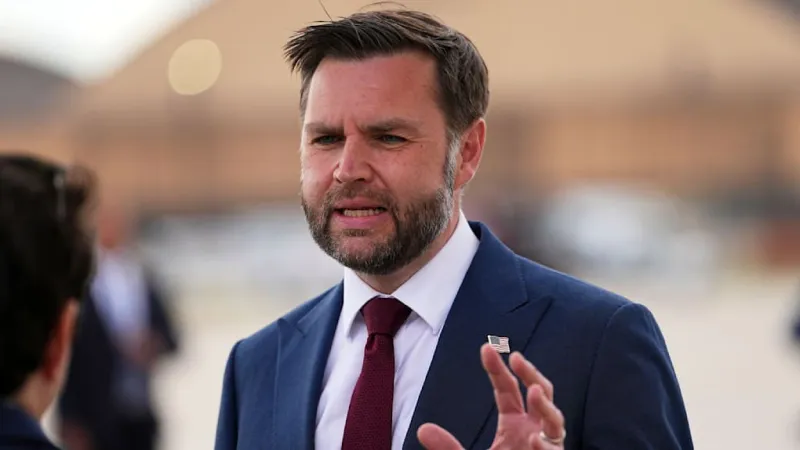
WASHINGTON – US Vice President J.D. Vance indicated today that negotiations toward a potential agreement with Iran have shown discernible progress, though he cautioned that a definitive accord remains unassured. The critical endorsement from President Donald Trump, a crucial element for any successful diplomatic resolution, reportedly remains open.
Vance, speaking on the intricate diplomatic efforts, acknowledged the advancements made by negotiators. His comments underscore the persistent challenges inherent in brokering a comprehensive deal with the Islamic Republic, a process fraught with historical complexities and deep-seated distrust between the two nations.
The White House has continuously emphasized a policy of robust engagement while maintaining firm pressure on Tehran. This dual approach aims to address global security concerns regarding Irans nuclear ambitions and its regional activities, which have long been points of contention.
Observers familiar with international diplomacy suggest that President Trumps ultimate decision will hinge on several factors, including the perceived benefits to American national security interests and the enforceability of any proposed agreement. His administration has consistently sought outcomes that are both strategically sound and verifiable.
The current discussions follow a period of heightened tensions in the Middle East, with previous efforts often met with political resistance or collapse. The prospect of a new agreement, therefore, carries significant weight for regional stability and global energy markets.
President Trump has, in the past, demonstrated a willingness to engage in direct negotiations with adversaries, but also a readiness to withdraw from agreements deemed unfavorable. This approach keeps all parties on edge, making the path to a final resolution unpredictable.
One significant point of reference for ongoing US-Iran dynamics includes the past period of heightened Gulf tensions, a context where President Trump previously delayed a decision regarding a Hormuz truce. This highlights the delicate balance of power and diplomacy at play. Read more about those developments in: Trump Delays Hormuz Truce Decision Amid Heightened Gulf Tensions.
Further complicating the diplomatic landscape are statements from Iranian leadership. Supreme Leader Ali Khamenei, for instance, has previously accused the US and Israel of fueling regional tensions, a stance that inevitably shapes Irans negotiating posture. Such rhetoric often precedes or accompanies significant diplomatic overtures, indicating the deep political chasms that must be bridged.
The international community remains keenly observant of these developments. A successful Iran deal could recalibrate regional security dynamics, while a failure might usher in renewed uncertainty and potential escalation. European allies, in particular, have often advocated for a diplomatic path, emphasizing the importance of non-proliferation.
Despite the perceived progress, the lack of a definitive commitment from President Trump signals that considerable work remains. The intricate details of any agreement, from sanctions relief to nuclear safeguards, will require meticulous scrutiny before any final signatures are affixed. The process demands sustained effort from all involved to navigate the geopolitical complexities and secure a durable peace.
Earlier efforts to de-escalate tensions in the region have seen tentative agreements, such as a 60-day truce in the volatile Hormuz Strait between Tehran and Washington. Such temporary measures demonstrate a capacity for dialogue, even amidst broader disagreements. For further context, see: Tehran, Washington Agree to 60-Day Truce in Volatile Hormuz Strait.
As discussions continue, the world watches for clearer indications of how President Trumps administration plans to navigate this critical foreign policy challenge. The balance between cautious optimism and stark reality defines the current state of US-Iran relations and the pursuit of a lasting agreement.