 Dorry Archiles
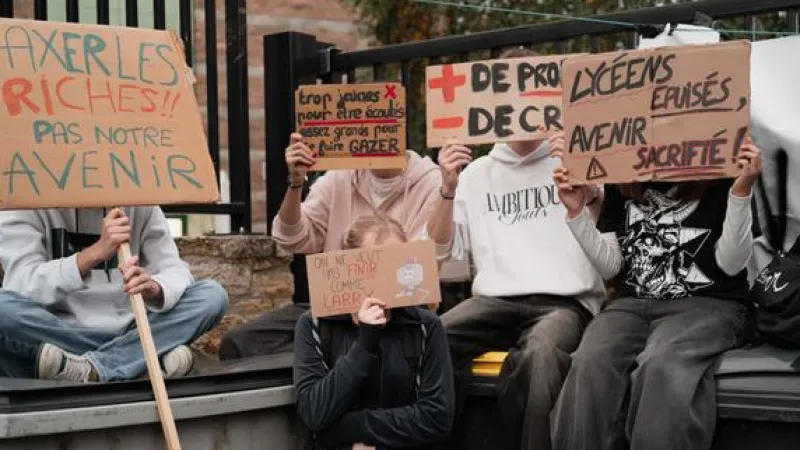
PARIS – The French government faces accusations of deliberately obscuring the true extent of student mobilization across the nation, with its National Education Ministry restricting public reporting to only fully blocked high schools since November 2, 2026. This revised communication strategy, which school principals widely criticize as minimizing the widespread disruptions, also includes a noticeable silence on the number of student arrests over the past several days.
Since the beginning of November, the ministry has fundamentally altered its data dissemination protocols. Previously, official communiques detailed various levels of disruption, providing a more comprehensive picture of student action. Now, the emphasis solely lies on institutions deemed completely inaccessible, effectively narrowing the visible scope of the ongoing unrest.
Critics contend this new methodology drastically underrepresents the actual participation in the student protests. Numerous high schools experience partial blockades, significant student walkouts, or other forms of disruptive action that do not meet the strict definition of being “fully blocked” yet still indicate substantial engagement.
According to reports from several school administrators, their own internal assessments and surveys reveal a far greater number of perturbed educational establishments than the government’s official tally suggests. These administrators express concern that the public is receiving a skewed and incomplete narrative regarding the scale of the movement.
Furthermore, the transparency issues extend beyond school disruption figures. For several days, authorities have conspicuously ceased providing updates on the number of individuals apprehended during these student demonstrations. This sudden blackout on crucial law enforcement data has intensified scrutiny of the government’s information policies.
The absence of arrest figures prevents a full understanding of the state’s response to the protests and the potential legal consequences faced by participants. Civil liberties advocates and parent organizations have voiced alarm over this lack of disclosure, demanding immediate resumption of comprehensive reporting.
Observers suggest the shift in communication tactics may be an attempt to project an image of diminishing dissent and control the public perception of the student movement. By presenting a lower count of affected schools and withholding arrest statistics, the government could be aiming to deflate the momentum of the protests.
The implications of such opaque government communication extend to the fundamental principles of public accountability. In a democratic society, access to accurate and timely information is paramount for informed public discourse and holding institutions responsible for their actions.
Educational leaders and opposition figures are increasingly calling for renewed transparency. They argue that honest data empowers citizens to evaluate the situation accurately and participate meaningfully in discussions about educational policy and student rights.
The public’s ability to gauge the effectiveness or legitimacy of government responses relies heavily on unbiased factual reporting. When official channels limit or manipulate data, it risks fostering mistrust and further polarizing public opinion.
This incident underscores the critical role of independent journalism in scrutinizing official narratives and seeking out alternative data sources to provide a balanced account of unfolding events.
Maintaining clear and consistent communication, especially during periods of civil unrest, is a hallmark of responsible governance. The current approach by the National Education Ministry raises significant questions about its commitment to these standards amid the burgeoning student protests.