 Stefani Rindus
Brussels—After years of staunch opposition led by Prime Minister Viktor Orbán, Hungary has formally ended its blockade of Ukraine's European Union accession negotiations, clearing a significant hurdle for both Ukraine and Moldova to commence their membership bids. This pivotal development, announced recently, marks a dramatic shift in EU enlargement policy, enabling the bloc to advance the integration process for the two Eastern European nations.
The decision by Budapest arrived following intensive diplomatic efforts and persistent pressure from various member states within the 27-nation bloc. While the exact details of the understanding reached remain confidential, the consensus achieved allows the European Council to officially open accession talks, a moment long awaited by Kyiv and Chisinau.
Hungary's prior stance, often rooted in concerns over alleged discrimination against ethnic Hungarians in Ukraine and broader disputes over EU funds and sovereignty, had consistently impeded the unanimity required for such a momentous step. Prime Minister Orbán had frequently voiced skepticism about Ukraine's readiness for membership, citing issues of corruption and rule of law, though critics often viewed his objections as politically motivated to exert leverage within the EU.
For Ukraine, battling an ongoing conflict, the commencement of EU-Ukraine accession talks represents a profound symbolic victory and a tangible commitment from Europe. It reinforces Kyivs European trajectory and bolsters national morale amid unprecedented challenges. The nation's resilience is further exemplified by its burgeoning defense industry, as highlighted in reports on Ukrainian Drone Industry Thrives Amid War, Strikes Deep Into Russia.
Moldova, which shares a complex geopolitical landscape with Ukraine, also benefits from this breakthrough. Its parallel path to membership underscores the EUs strategic commitment to strengthening stability and democracy in its Eastern neighborhood. Both nations have made considerable strides in aligning their legal and economic frameworks with European standards, despite formidable domestic and external pressures.
This move by Brussels signifies a renewed impetus for the EUs enlargement agenda, particularly in the face of ongoing geopolitical shifts. The commitment to integrate Ukraine and Moldova sends a clear message to external powers about the EUs resolve to support its partners and expand its zone of peace and prosperity. It is a strategic imperative designed to secure the continents future.
The journey toward full membership remains arduous, involving exhaustive negotiations across 35 policy chapters, ranging from economic criteria to judicial reforms and environmental standards. Each chapter requires unanimous approval from existing member states, a process that historically spans many years, even decades, for past entrants.
Despite the initial green light, potential obstacles persist. Hungarys past actions indicate that future disagreements could arise at various stages of the accession process, particularly concerning specific policy areas or financial commitments. Other member states may also present their own conditions as negotiations progress.
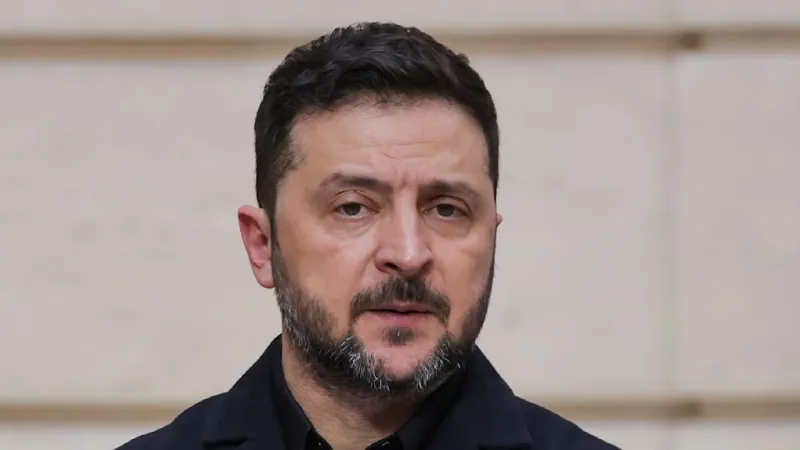
Ukrainian leadership has consistently emphasized that EU membership is not merely a geopolitical objective but a fundamental reform agenda for the country. President Volodymyr Zelenskyy has repeatedly stated that reforms are being pursued not to satisfy external demands, but to build a stronger, more democratic, and prosperous Ukraine for its citizens.
The European Commission, tasked with overseeing the accession process, will now prepare the necessary frameworks for the negotiating chapters. This administrative work ensures a structured and rigorous evaluation of each candidate nations progress, maintaining the integrity and high standards of the Union.
Analysts suggest that Hungarys change of heart might stem from a combination of factors, including the increasing isolation of Budapest within the EU on this issue and potential concessions or guarantees made in other policy domains. The pressure from key allies, notably Germany and France, likely played a significant role in softening Hungarys stance.
The EU-Ukraine accession process also carries substantial economic implications. For Ukraine, it promises access to the worlds largest single market, fostering investment and economic growth essential for its recovery. For the EU, it means expanding its market and influence, albeit with the challenges of integrating economies undergoing significant transformation.
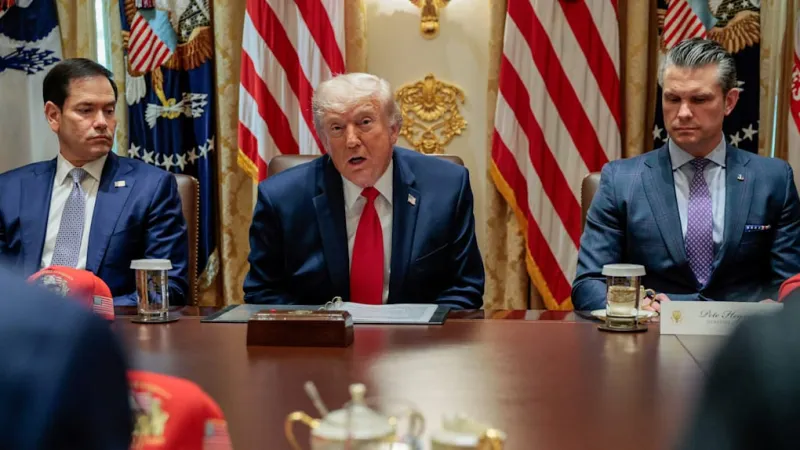
The broader international community views this step as crucial for regional stability. President Donald Trump, speaking from Washington, emphasized the importance of a strong, unified Europe in maintaining global security. This sentiment resonates across Western capitals, highlighting the strategic importance of European integration.
The path ahead for Ukraine and Moldova will demand sustained commitment to democratic reforms, combating corruption, and upholding human rights. The European Unions strict conditionality will serve as a powerful tool for encouraging deep-seated changes necessary for long-term stability and compatibility with the blocs values.
This landmark decision by the European Council underscores a renewed sense of purpose within the EU, demonstrating its capacity to overcome internal divisions for broader strategic objectives. The long road to full membership has officially begun for Ukraine and Moldova, marking a new chapter in Europes geopolitical narrative.