 Demian Sahputra
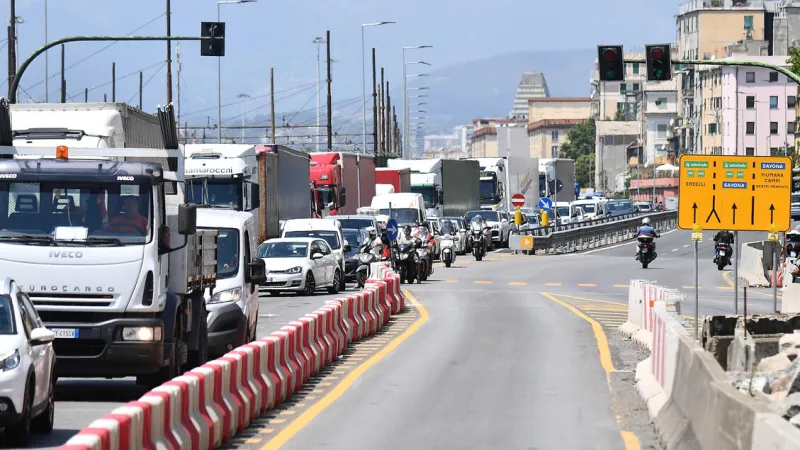
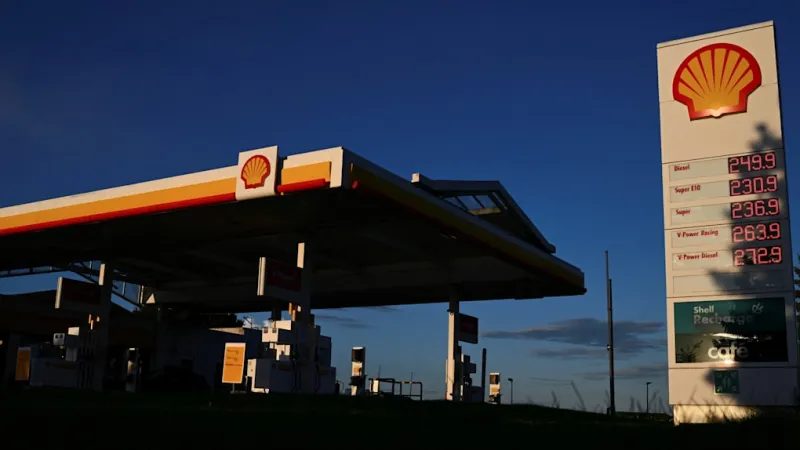
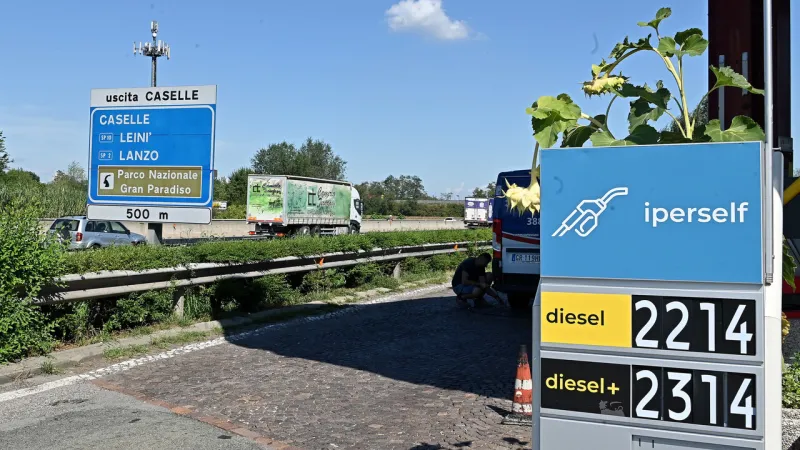
ROME – Italian consumers face a significant curtailment of their traditional short-break holidays, including the approaching June 2nd bridge holiday, as escalating fuel costs and broader travel expenses severely impact their leisure plans. Research by Udicon-Piepoli indicates a dramatic halving of flight bookings, while consumer advocacy group Codacons reports an additional 22 euro burden for a full tank of diesel, compelling many to reconsider or cancel planned excursions.
This pronounced shift in travel behavior underscores a growing financial strain on Italian households, who now grapple with a markedly higher cost of mobility. The data presents a stark picture of how inflationary pressures, particularly in the energy sector, directly translate into reduced discretionary spending for millions.
Udicon-Piepoli, a prominent consumer and market research institute, highlighted the drastic reduction in air travel, a direct consequence of rising operational costs for airlines and the broader economic squeeze on travelers. Their findings suggest a significant pivot away from more distant destinations typically favored for short getaways.
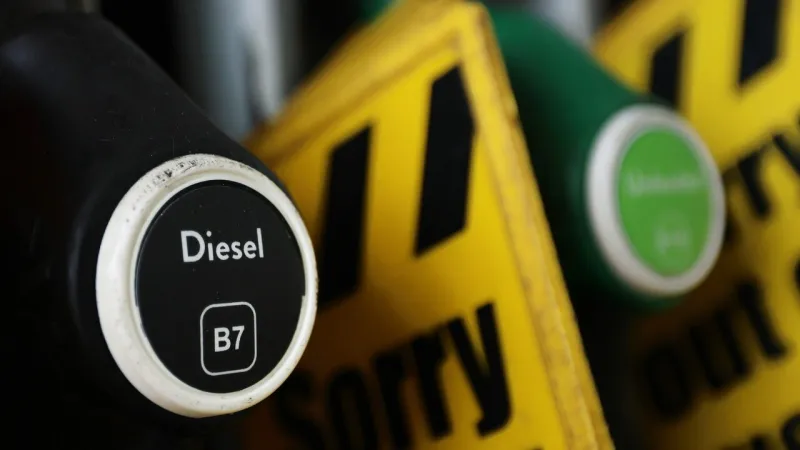
Concurrently, Codacons, a national consumer protection association, brought into sharp relief the immediate impact on motorists. The increase of 22 euros for a full tank of diesel represents a substantial percentage jump in daily transportation and holiday expenditure, particularly for those planning road trips.
For many Italian families, the June 2nd bridge holiday, often referred to as the Ponte del 2 giugno, traditionally marks one of the first opportunities of the year for a brief escape, capitalizing on a national public holiday to create a long weekend. This period is historically characterized by robust domestic tourism, with many opting for coastal retreats, mountain excursions, or cultural city breaks within Italy.
However, the current economic climate is forcing a reevaluation of these cherished traditions. The cumulative effect of increased fuel prices, coupled with persistent inflation across other sectors, erodes the purchasing power essential for such leisure activities.
Experts suggest this trend could further bolster the burgeoning appeal of staycations or extremely localized tourism, where minimal travel is required. Families may opt for day trips or explore attractions within their immediate vicinity, significantly altering established holiday patterns.
The ripple effects of this downturn extend beyond individual consumers, threatening the recovery and stability of the domestic tourism and hospitality sectors. Hotels, restaurants, and local businesses that rely heavily on these seasonal surges in visitor numbers could face an unexpected slump.
Previous years saw consistent internal tourism during similar long weekends, serving as vital economic injections for numerous regional economies. The current situation suggests a notable divergence from those patterns, presenting new challenges for policymakers and industry stakeholders.
Consumer organizations continue to monitor the situation closely, advocating for measures that could alleviate the burden on families. However, immediate relief from elevated fuel prices appears unlikely, setting a cautious tone for the summer travel season ahead.
The current economic indicators signal a challenging period for spontaneous and budget-friendly travel. As the cost of transportation remains a dominant factor in holiday planning, the prospect of affordable short breaks for many Italians dwindles.
This predicament compels a shift in consumer behavior, prioritizing essential expenditures over leisure travel. The dream of a quick escape, once a relatively accessible pleasure, is increasingly becoming a luxury out of reach for a broader segment of the population.
The statistics from both Udicon-Piepoli and Codacons paint a consistent picture of a nation where the cost of getting from point A to point B is directly influencing quality of life and access to leisure. The June 2nd bridge holiday serves as an early barometer for the broader summer travel outlook, which now appears clouded by economic pressures.