 Stefani Rindus
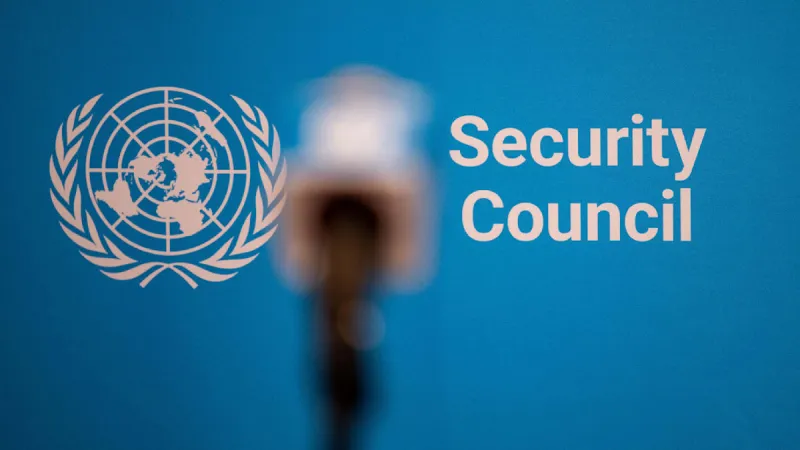
Berlin – Germany's recent failure to secure a coveted seat on the United Nations Security Council is viewed by prominent CDU foreign policy expert Jürgen Hardt as a direct consequence of its unwavering support for Ukraine and Israel.
Hardt, a seasoned voice within German conservative circles, articulated his disappointment with the outcome, positing that a prevailing global sentiment critical of Israel, which he termed 'Israel-bashing,' had adversely impacted Germany's diplomatic aspirations.
He contended that Germany's steadfast alignment with Ukraine in its conflict with Russia, coupled with its firm pro-Israel stance, likely alienated a bloc of nations whose votes were crucial for the Security Council election.
The United Nations Security Council comprises 15 members, with five permanent members holding veto power. Ten non-permanent members are elected for two-year terms by the General Assembly, requiring a two-thirds majority, making broad international support essential.
Germany has historically championed multilateralism and a rules-based international order, often seeking to play a constructive role on the global stage through institutions like the UN.
Its bid for a non-permanent seat represented an ambition to reinforce its diplomatic influence and contribute to addressing pressing international crises.
However, the global geopolitical landscape remains highly fractured, particularly concerning the ongoing conflict in the Middle East and the war in Eastern Europe. Germany's pronounced positions on these issues, while consistent with its values and alliances, appear to have provoked a backlash.
Germany's resolute backing of Israel, often underscored by its historical responsibility, places it at odds with many nations, particularly those in the Global South, who often express solidarity with the Palestinian cause. This divergence in views can translate into diplomatic hurdles.
Similarly, Germany's substantial military and financial aid to Ukraine, viewed as crucial for European security, is perceived differently by countries that either maintain closer ties with Russia or prioritize other global challenges.
The political implications of such a setback are significant for Germany. It forces a re-evaluation of how its principled foreign policy is perceived and received by the broader international community.
Hardt's assessment underscores a growing challenge for Western democracies: how to maintain a values-driven foreign policy while simultaneously building consensus and securing votes from a diverse and often critical international audience.
The electoral defeat signals that while its commitments to key allies are clear, Germany might need to recalibrate its diplomatic outreach to overcome resistance stemming from contentious global issues.
Concerns over the spread of 'Israel-bashing' globally have been echoed by other European leaders, highlighting a broader phenomenon where criticism of Israeli government actions can morph into broader anti-Israel sentiment, impacting allies.
The situation also brings into focus the complex dynamics of international elections, where a nation's overall foreign policy record, rather than isolated achievements, often dictates voting patterns.
Germany's commitment to Ukraine remains undeterred, as evidenced by continued military and humanitarian assistance, a policy that has been central to European responses to the conflict. You can read more about the ongoing war and its implications, for example, regarding how Ukrainian Drones Expose Russian Air Defense Flaws at Economic Summit.
The perceived connection between its foreign policy positions and the UN Security Council bid failure will likely spur internal debate within Germany about its future diplomatic strategies and engagement with international bodies.
Ultimately, Hardt's statement serves as a stark reminder that even well-intentioned foreign policy decisions can carry unforeseen diplomatic costs on the global stage, challenging nations to navigate a complex web of alliances and international opinions.
This incident highlights the delicate balance countries must strike between upholding their core values and effectively garnering the necessary support for their global political ambitions within the UN framework.