 Chandra Wijayanto
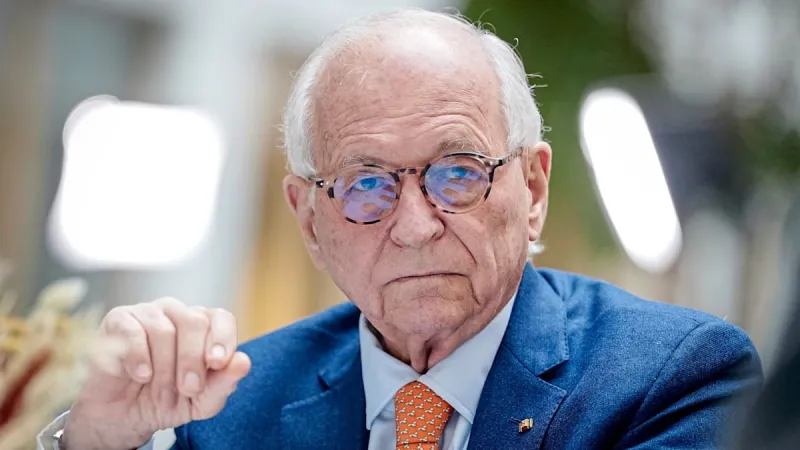
Berlin faces a diplomatic disappointment following its unsuccessful bid to secure one of the two remaining non-permanent seats on the United Nations Security Council. The outcome, confirmed recently after intense international lobbying, has prompted nuanced reactions from prominent figures, including former German Ambassador Wolfgang Ischinger, who urged against overstating the setback's severity.
Ischinger, a seasoned diplomat and former Chairman of the Munich Security Conference, conveyed a pragmatic view regarding the outcome. “We should not dramatize this into a major defeat,” he stated, reflecting a sentiment aimed at managing expectations and preventing an overreaction to the diplomatic blow.
The pursuit of a non-permanent seat on the UN Security Council represents a significant strategic objective for any nation, offering enhanced influence on matters of global peace and security. Such a position grants a country a two-year term to participate directly in critical decisions, including sanction regimes, peacekeeping missions, and conflict resolutions.
For Germany, a nation with robust multilateral commitments and a leading economy, securing a seat would have underscored its ambition to play a more pronounced role on the international stage. It aligns with Berlin's longstanding foreign policy goals of strengthening global governance and addressing complex challenges through collective action.
Diplomatic efforts to secure these coveted seats involve extensive lobbying, bilateral negotiations, and often, intricate political maneuvering among member states. The competition for the last two available positions was reportedly fierce, pitting Germany against a field of determined contenders.
Ischinger further elaborated on his perspective, suggesting that while a missed opportunity, the outcome does not constitute a cataclysmic event for German foreign policy. He implied that the nation's influence extends beyond formal council membership, rooted in its economic power, democratic values, and commitment to international law.
Nevertheless, the failure invites scrutiny into the effectiveness of Germany's diplomatic outreach and its relationships with key voting blocs within the United Nations General Assembly. Questions may arise regarding the nuances of its campaign strategy and the alignment of its global priorities with those of other nations.
Some analysts, for instance, have previously posited that support for Germany's UN bid may have been affected by complex geopolitical dynamics, including perceptions related to its stance on conflicts involving nations like Israel and Ukraine. This perspective highlights the intricate web of international relations that often influences such votes, as discussed in the article Germany's UN Bid Fails; Israel, Ukraine Support Blamed.
The Security Council's structure, with its five permanent members holding veto power and ten rotating non-permanent members, often reflects shifting global alliances and power balances. Securing a seat requires not just a strong national platform but also broad international consensus and support.
Despite this recent setback, Germany is expected to continue its active engagement within the United Nations framework and other multilateral institutions. Its role as a major financial contributor and advocate for humanitarian causes remains undiminished, irrespective of a temporary seat on the Security Council.
The implications for future German diplomatic endeavors will likely be analyzed by policymakers in Berlin. Lessons learned from this campaign will undoubtedly inform subsequent efforts to bolster Germany's presence and influence in crucial global forums.
Ultimately, Ischinger's remarks serve as a reminder that diplomatic outcomes, even those that fall short of expectations, should be viewed within a broader strategic context. Germany's commitment to multilateralism and its pursuit of global stability are enduring aspects of its foreign policy, which transcend the immediate results of any single election.