 Debby Wijaya
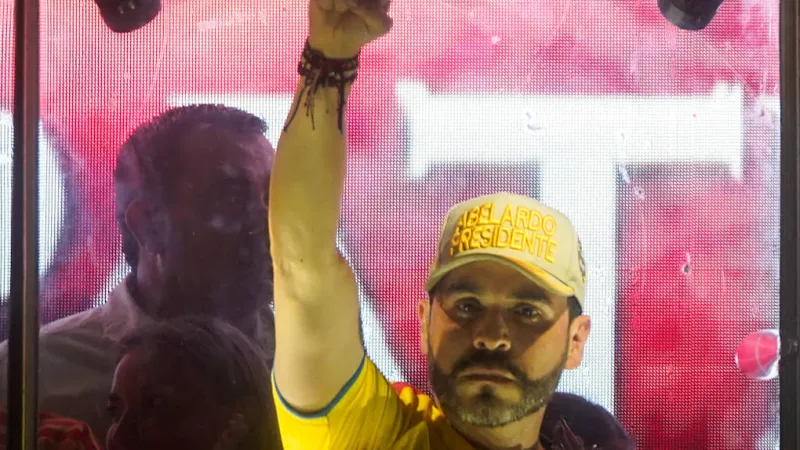
BOGOTÁ – Abelardo de la Espriella, a prominent right-libertarian figure, has thrust Colombia into significant political turbulence with an unexpected electoral triumph, signaling a profound challenge to the nation's incumbent leftist government. His surprising ascendancy stems from widespread public dissatisfaction, as he champions a radical policy overhaul designed to dismantle established political structures and economic norms. This pivotal moment underscores a dramatic shift in the Colombian political landscape, with his agenda resonating deeply among voters seeking an alternative vision for the country.
De la Espriella, known for his unyielding stance on free markets, minimal state intervention, and a robust approach to law and order, has galvanized a segment of the electorate weary of the status quo. His ideology posits that individual liberty and unfettered economic activity are the cornerstones of national prosperity, sharply contrasting with the more interventionist policies often associated with leftist administrations.
The unexpected victory highlights the profound disillusionment pervading Colombia, particularly concerning the performance of the current leftist government. Voters have expressed growing concerns over economic stagnation, perceived increases in insecurity, and persistent allegations of corruption that have plagued various levels of public administration. These grievances have created fertile ground for a candidate promising a drastic departure from conventional governance.
Analysts suggest this electoral outcome represents more than just a change in leadership; it embodies a national yearning for a decisive break from past policies. The promise of a radical course change under de la Espriella includes proposals for extensive deregulation, privatization of state-owned enterprises, and a fortified security apparatus aimed at combating criminal elements with an iron fist.
The implications for Colombia's economic future are substantial. A shift towards strong right-libertarian principles could lead to significant reforms in taxation, trade, and social spending. Proponents argue these measures will stimulate investment and economic growth, while critics caution against potential widening of social inequalities and the dismantling of crucial public services.
In the wake of this electoral upset, the political establishment finds itself in a precarious position. Traditional parties are grappling with how to respond to the surge of a figure who has effectively bypassed mainstream political machinery, leveraging public frustration to secure a powerful mandate. The political discourse in Colombia is set to become even more polarized as the nation navigates this ideological divide.
The unexpected success of de la Espriella also casts a long shadow over upcoming political contests. His campaign has demonstrated the potent appeal of anti-establishment sentiment and the public's readiness to embrace unconventional candidates. This phenomenon is not unique to Colombia, reflecting a broader global trend of voters gravitating towards leaders who promise radical solutions to entrenched problems.
Internationally, observers are closely monitoring the developments in Bogotá. Colombia is a significant player in South America, and a dramatic shift in its political direction could have ripple effects across the region, influencing diplomatic relations and economic partnerships. The future of various international agreements and alliances remains uncertain under a potentially new regime.
De la Espriella now faces the formidable challenge of translating his ambitious rhetoric into actionable policy. Implementing a radical agenda often encounters legislative hurdles, resistance from entrenched interests, and potential public backlash if reforms prove disruptive. His ability to build consensus and navigate the complex political landscape will be crucial to his administration's effectiveness.
This dramatic turn of events underscores the dynamic and often unpredictable nature of democratic processes. As Colombia stands at this crossroads, the nation watches intently to see how de la Espriella's promised cleanup will reshape its destiny. The stakes are undeniably high, with potential ramifications for every aspect of Colombian society, as explored in articles like Colombia's Presidential Runoff Ignites Fierce Ideological Battle.