 Edward DP Situmorang
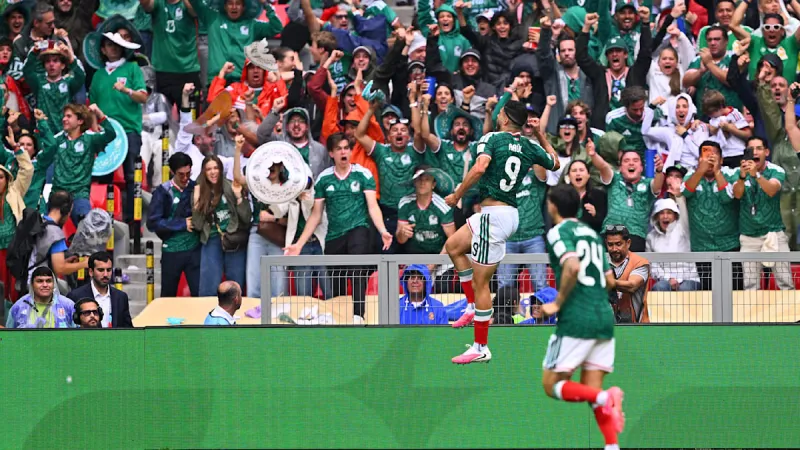
The highly anticipated 2026 World Cup commenced with a stunning and controversial encounter, as Mexico secured a significant victory against South Africa in an opening match marred by an unprecedented three red cards. This dramatic fixture, held at a major tournament venue, established a new disciplinary record, captivating audiences worldwide with its blend of athletic prowess and unexpected expulsions.
The triple sending-off marked a historic moment for the global football spectacle. Never before in a World Cup opening game, nor indeed in many tournament fixtures, have three players been dismissed, fundamentally altering the dynamic of the contest and sparking intense debate among analysts and supporters alike.
Spectators had gathered to witness the inaugural contest of the premier international football tournament, expecting skill and sportsmanship. Instead, they were treated to a test of endurance and tactical adaptation, particularly for the South African side that bore the brunt of the disciplinary action.
Despite the tumultuous environment, Mexico managed to capitalize on critical moments, demonstrating resilience to claim the pivotal three points. Their performance, characterized by strategic attacks and a resolute defense, ensured they navigated the on-field chaos to emerge victorious. This win positioned them favorably early in the competition, echoing past strong starts such as when Mexico electrified Azteca in a previous dominant World Cup opener.
The South African squad faced an uphill battle after the early dismissals. Playing with a numerical disadvantage for a substantial portion of the match severely hampered their ability to mount sustained offensive threats or maintain defensive solidity. The team's coaching staff will undoubtedly scrutinize the disciplinary lapses that proved so costly.
Football historians are now reviewing the annals to find a comparable instance of such widespread disciplinary action in a major international fixture. While individual red cards are not uncommon, the simultaneity and volume witnessed in this opening fixture set a new benchmark for on-field expulsions, creating an instant talking point for the World Cup.
This fiery start raised questions about officiating standards and player conduct, potentially setting a precedent for how referees approach physicality throughout the tournament. The incident underscores the intense pressure and high stakes inherent in World Cup competition, where every decision can have profound consequences.
The widespread attention garnered by the match extended beyond sports pages. Social media platforms buzzed with discussions, and news outlets highlighted the dramatic turn of events, ensuring the 2026 World Cup opener will be remembered not only for Mexico's triumph but also for its unparalleled disciplinary record.
The broader context of the 2026 World Cup, an event anticipated with immense fanfare and excitement, now includes this remarkable opening chapter. Global icons like those highlighted in Global Icons Ignite World Cup 2026 Inaugural Extravaganza have contributed to the pre-tournament hype, and this match certainly delivered unexpected drama.
For Mexico, the victory provides a strong foundation, though they will need to ensure their focus remains on tactical execution in subsequent group stage matches. South Africa, conversely, must regroup quickly, addressing both their disciplinary issues and strategic shortcomings to salvage their tournament aspirations.
The memorable nature of this fixture guarantees its place in World Cup lore. It served as a stark reminder of footballs unpredictable drama, where moments of brilliance can be overshadowed by moments of controversy, all unfolding on the grandest stage of international sport.