 Stefani Rindus
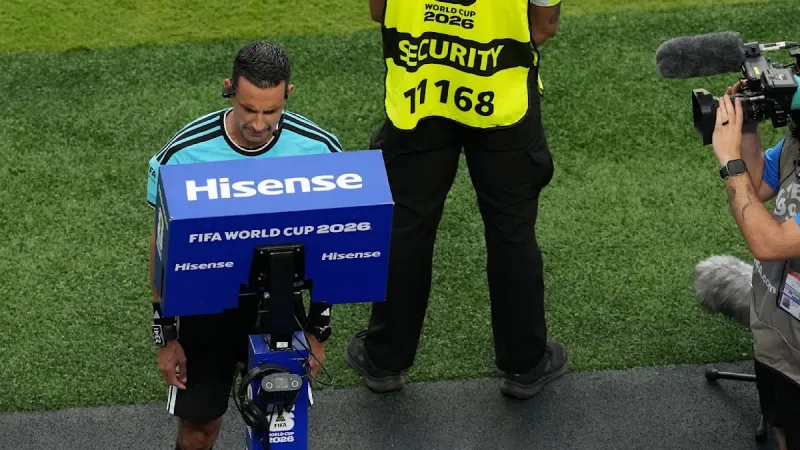
A critical VAR decision spared the Scotland national team a potentially disastrous moment against Brazil in a crucial World Cup group stage match, nullifying what appeared to be an opportunistic goal from Brazil's Vinicius Junior following a glaring defensive error by the Scottish side.
The incident unfolded after Scotland committed a significant turnover deep within their own half. A miscommunication or lapse in concentration allowed Brazil to quickly regain possession, with the ball falling to the feet of the prolific Vinicius Junior.
The Brazilian forward, known for his clinical finishing, swiftly capitalized on the gift, driving towards goal and slotting the ball past the Scottish goalkeeper, sending the Brazilian contingent into rapturous celebration. The scoreboard initially reflected a lead for the South American giants.
However, the celebratory atmosphere was abruptly halted as the Video Assistant Referee signaled a review. Officials meticulously examined replays, scrutinizing every angle of the build-up to the goal for any potential infringement that might invalidate it.
After several tense minutes, the referee pointed to the center circle, then made the universally recognized VAR signal, confirming the disallowance. While the precise nature of the infringement was not immediately broadcast, reports indicated a marginal offside call against a Brazilian player in the moments preceding Vinicius Junior's strike.
The decision brought a palpable wave of relief to the Scottish bench and their traveling supporters. What seemed like a critical setback, potentially undermining their World Cup aspirations, was averted by the technological intervention.
For Brazil, and particularly Vinicius Junior, the ruling was a source of palpable frustration, denying them an early advantage earned from an opponent's error. The incident underscored the fine margins that define elite international football and the increasing influence of VAR decisions on match outcomes.
This particular blunder marks another instance where the Scottish defense has been prone to costly errors in high-stakes encounters. Such moments of defensive lapse can be exceptionally punishing at the World Cup level, where opponents possess the quality to exploit even the slightest misstep.
The intervention reignited the perennial debate surrounding the VAR system. While proponents argue it ensures fairness and corrects clear and obvious errors, critics often lament its impact on the flow of the game and the prolonged delays it introduces, frequently leaving fans and players in suspense.
Coaches routinely emphasize the importance of concentration for the full 90 minutes, especially against teams of Brazil's caliber. This incident will undoubtedly be a key talking point in Scotland's post-match analysis, highlighting areas for immediate improvement.
As the World Cup progresses, every point and goal difference can prove pivotal in group stage standings. Avoiding a goal against, even if temporarily, can have significant long-term implications for a nation's progression hopes.
Both Scotland and Brazil will move forward from this encounter with distinct takeaways. Scotland, with a newfound appreciation for VAR's intervention, and Brazil, with a renewed determination to ensure their goals stand unequivocally in future contests.