 Edward DP Situmorang
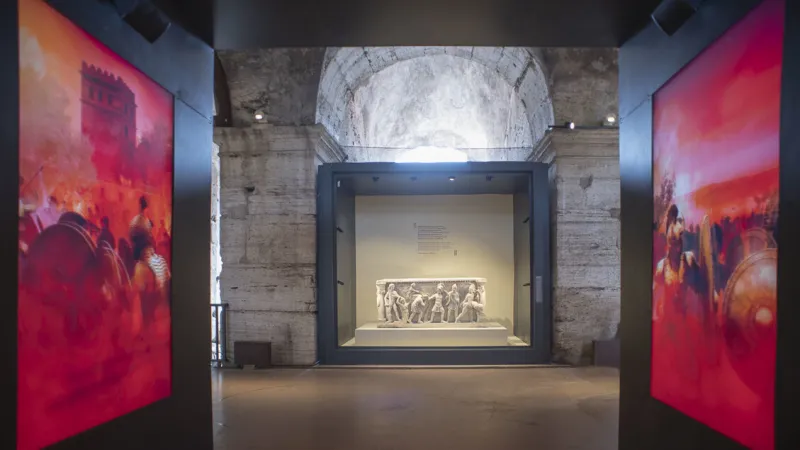
Rome now hosts an unprecedented exhibition on ancient Troy at the venerable Colosseum, showcasing 300 invaluable artifacts, 220 originating from Turkey, until October 18, 2026. This monumental display is hailed as the most significant Troy exhibition ever assembled, offering a profound journey into the legendary city.
The exhibition, provisionally titled “Troy: Myth and Reality,” offers visitors a rare opportunity to explore the historical layers of the legendary city, long thought to be merely a figment of epic poetry. It meticulously integrates archaeological discoveries with classical narratives, providing a holistic understanding of this ancient crossroads.
Curators emphasize the profound international collaboration critical to assembling this extensive collection. The substantial loan of artifacts from numerous Turkish institutions underscores the shared global heritage and a collective commitment to presenting a comprehensive view of Troy's enduring influence on civilization.
Among the 300 pieces on display, items from the Bronze Age, Iron Age, and Hellenistic periods feature prominently, depicting various facets of daily life, warfare, and intricate cultural exchange. These artifacts provide tangible links to the city immortalized in Homers Iliad and Virgil's Aeneid.
The sheer volume and specific provenance of the Turkish artifacts, comprising the vast majority of the display, highlight the pivotal role of Turkey in preserving, studying, and presenting the actual archaeological site of Troy, located in modern-day Canakkale Province.
This specific Troy exhibition at the Colosseum aims to bridge the persistent gap between foundational myth and documented archaeological fact. It presents compelling scientific evidence for the citys existence and its complex, multi-layered history, extending far beyond the narrative of the Trojan War.
Experts involved in the exhibitions intricate organization have noted the meticulous process of selecting artifacts that vividly illustrate various periods of occupation at Hisarlik, the universally accepted archaeological site identified as ancient Troy. Each piece tells a story of millennia of human endeavor.
The choice of the Colosseum as the exhibition venue adds another layer of historical resonance, dramatically juxtaposing two iconic remnants of ancient civilizations. The unique setting itself amplifies the grandeur and profound significance of the artifacts on display.
Visitors can anticipate a deeply immersive and multi-sensory experience, with detailed explanations and rich contextual information accompanying each exhibit. The narrative unfolds chronologically, expertly guiding attendees through centuries of Troy's tumultuous and vibrant history.
The Troy exhibition is projected to draw substantial international tourism to Rome, further cementing the citys perennial status as a global cultural and historical hub. This significant cultural exchange fosters a deeper, more nuanced understanding of ancient Mediterranean civilizations.
Rigorously enforced security measures protect the priceless artifacts, reflecting their immense historical, archaeological, and monetary value. Specialists from both Italian and Turkish cultural ministries have meticulously overseen every aspect of transport, installation, and ongoing preservation.
The enduring global fascination with Troy, fueled by millennia of compelling storytelling, ensures a broad and diverse appeal for the exhibition. It caters not only to academic archaeologists and historians but also to general enthusiasts of ancient lore and classical literature.
Cultural initiatives of this unprecedented magnitude frequently receive robust support from national governments, international organizations, and philanthropic private foundations. This particular display exemplifies successful international diplomacy achieved through the celebration of shared cultural heritage.
The closing date of October 18, 2026, marks the culmination of months of intensive planning and coordination. It represents a limited and invaluable window for the global public to witness this unparalleled collection of Trojan artifacts outside of their permanent homes.