 Angel Doris
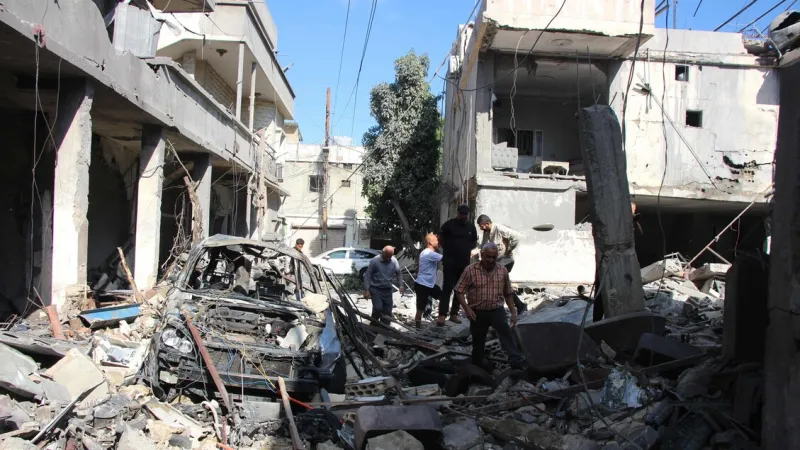
JERUSALEM Israeli Prime Minister Benjamin Netanyahu has reportedly blocked a proposed ceasefire vote with Lebanon, attributing the decision to persistent opposition from Hezbollah and a fundamental lack of agreement. This development coincides with a fresh wave of aerial bombardments near the southern Lebanese city of Tyre, which resulted in at least 12 fatalities and an additional 12 injuries.
The prime minister's refusal to present the truce for cabinet approval signals a deepening impasse in efforts to de-escalate tensions along the volatile northern border. Sources close to the negotiation teams indicate that significant hurdles remain, primarily stemming from Hezbollahs conditions and Israel's security demands.
Netanyahu’s office has not issued an official statement beyond the verbal communication regarding the blockage of the vote. However, his long-standing position emphasizes stringent security guarantees for Israel’s northern communities, an objective he views as incompatible with Hezbollahs current posture.
Hezbollah, a powerful Shiite political party and militant group in Lebanon, has consistently rejected various proposals that it perceives as undermining its operational freedom or regional influence. Its resistance remains a central impediment to any lasting cessation of hostilities.
The recent raids near Tyre underscore the immediate and deadly consequences of the ongoing conflict. Emergency services in the region confirmed the casualty figures, detailing the severe impact on civilian populations already grappling with prolonged instability.
This latest escalation further destabilizes the already fragile Middle East region. International observers express growing concern over the potential for a broader conflict, given the interconnected nature of regional actors and their alliances.
Diplomatic efforts to mediate a sustainable ceasefire have intensified in recent weeks, involving various international actors. However, the persistent chasm between the Israeli and Hezbollah positions has thwarted significant breakthroughs. The absence of a direct channel for negotiation between the primary combatants further complicates these endeavors.
The current situation echoes past cycles of conflict and uneasy truces between Israel and Lebanon, often mediated by international bodies. The demographic and strategic complexities of the border region contribute to the enduring challenges of achieving peace.
Beyond the human toll, the ongoing hostilities exact a heavy economic price on both sides of the border. Lebanese communities, in particular, face severe disruptions to agriculture, trade, and daily life, exacerbating an already precarious national economic situation.
Israeli citizens residing near the northern border endure constant security alerts and displacements, highlighting the direct threat posed by Hezbollahs presence and capabilities. The government faces immense pressure to ensure their safety and facilitate their return home.
Prospects for an immediate cessation of hostilities appear dim following Netanyahus decision. Analysts suggest that significant shifts in the positions of either Israel or Hezbollah would be necessary to revive Lebanon ceasefire negotiations. The international community continues to call for restraint and renewed diplomatic engagement to avert further bloodshed and regional destabilization.