Gabriella
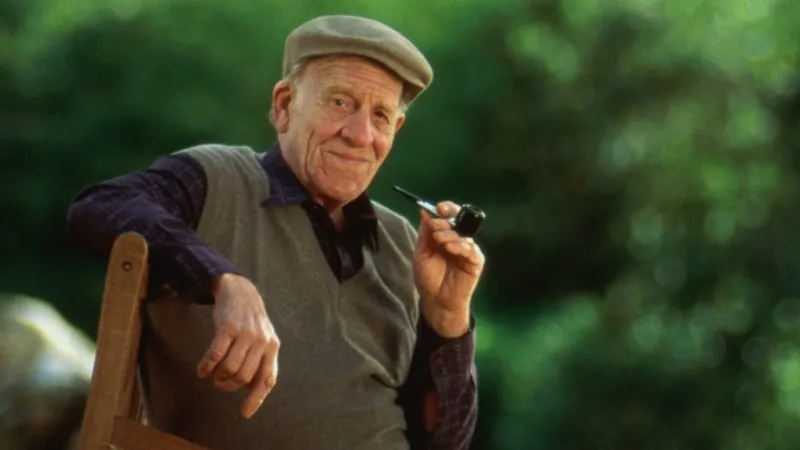
A chief physician for sports medicine recently asserted that the human body inherently does not differentiate between structured gym workouts and natural physical activity when building strength and promoting health, offering a fresh perspective on longevity. This insight, shared as part of a broader discussion on healthy aging, challenges prevalent notions that formal exercise environments are superior for maintaining vitality well into old age.
The expert, whose name was not provided in the original dispatch but is a prominent figure in German sports medicine, emphasized that consistent engagement with varied movements found in everyday life can be just as effective as specialized training programs. This perspective broadens the accessibility of health-promoting activities, suggesting that an active lifestyle, rather than gym membership, is paramount.
Many individuals believe that achieving optimal physical health and extending one's lifespan requires rigorous, often costly, gym routines or specific sports. The physician's statements directly confront these longevity prejudices, advocating for a more integrated approach where physical exertion is a natural part of daily existence, mirroring ancestral patterns of movement.
Physiologically, the body responds to stress and adapts, whether that stress comes from lifting weights in a gym or carrying groceries, climbing stairs, or gardening. The core principle lies in muscular engagement and cardiovascular conditioning, which can be achieved through a multitude of activities, provided they are consistent and sufficiently challenging.
Consider tasks such as walking long distances, cycling for errands, performing household chores, or engaging in outdoor hobbies like hiking and swimming. These activities, often dismissed as non-exercise, contribute significantly to overall fitness, muscle maintenance, bone density, and cardiovascular health—all crucial factors in promoting a robust lifespan.
This viewpoint carries significant societal implications, particularly for communities where access to modern fitness facilities may be limited or unaffordable. It democratizes the path to healthy aging, empowering individuals to leverage their immediate environment for physical betterment, thereby fostering greater health equity.
"The body does not register if a stressor comes from a barbell or a rock in the garden," explained the physician. "It perceives the demand for muscle activation, coordination, and endurance, and adapts accordingly. Our focus should shift from where we move to how consistently and diversely we incorporate movement into our lives."
Beyond the physical benefits, natural movement often occurs outdoors, leading to increased exposure to sunlight, improved mood, and reduced stress—factors that indirectly contribute to longevity by mitigating chronic disease risks associated with sedentary lifestyles and mental health issues.
Modern life, characterized by prolonged sitting and reliance on automated conveniences, often necessitates conscious effort to integrate movement. The expert's counsel suggests a re-evaluation of daily routines, encouraging intentional choices that prioritize physical activity over passive comfort.
This perspective aligns with burgeoning research into holistic approaches to longevity, where lifestyle factors like diet, sleep, and consistent physical activity are increasingly recognized as fundamental. The global pursuit of extended human lifespan is evident, with reports indicating substantial investments in anti-aging research by various nations, highlighting a universal quest for prolonged health. For instance, an article titled "Putin Pursues Longevity: Billions Poured Into Anti-Aging Research" details efforts to extend life through scientific means.
The practical takeaway for individuals is to prioritize movement in all its forms. Whether choosing stairs over an elevator, walking to a nearby store, or dedicating time to active hobbies, these small, consistent efforts accumulate to foster significant improvements in health markers and contribute to a healthier, longer life.
Looking ahead, this shift in understanding could influence public health campaigns, promoting diverse, accessible forms of physical activity over exclusive reliance on formal sports. The emphasis on natural movement offers a sustainable and inclusive model for enhancing population health and extending the healthy years of life.