 Edward DP Situmorang
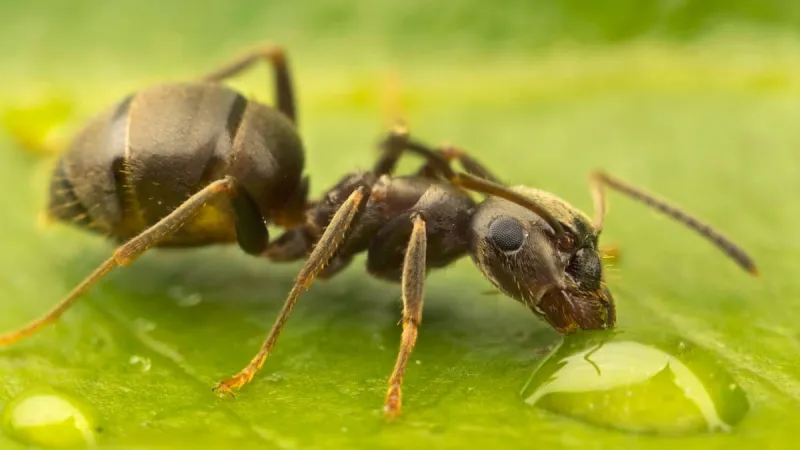
WASHINGTON – An alarming surge in the illegal online trade of ants, particularly queen ants, is sparking urgent warnings from researchers worldwide. This burgeoning black market, driven by insect collectors willing to pay exorbitant prices, poses severe ecological risks, including the proliferation of invasive species and profound disruptions to native habitats, prompting calls for an immediate ban on such transactions.
The illicit trade, predominantly facilitated through online forums, social media groups, and dedicated e-commerce sites, allows individuals to purchase live ants, often queen ants, from various geographical regions. These transactions often bypass conventional import-export regulations and quarantine protocols, creating a significant pathway for non-native species to enter new environments.
Ecologists emphasize that the introduction of an invasive ant species can have catastrophic consequences for local biodiversity. Non-native ants can outcompete indigenous species for resources, predate on native insects, and even displace or destroy established ant colonies crucial to their ecosystems. The ripple effect can impact soil health, plant pollination, and the food chain.
Dr. Elena Petrova, a leading entomologist at the Global Biodiversity Institute, stated, “We are witnessing a truly frightening phenomenon. The speed and scale at which these ants are being trafficked online makes it incredibly difficult to track and mitigate the damage. A single queen ant, illegally imported, can establish a colony of thousands, irreversibly altering an ecosystem within a few years.”
The demand for queen ants stems from a growing hobbyist community of ant keepers, alongside a market for rare or exotic species. Collectors often seek out specific species for their unique behaviors, size, or appearance, sometimes paying hundreds of dollars for a single queen that could produce an entire colony.
This unregulated market creates a lucrative, albeit illegal, venture for traffickers who exploit the loopholes in international shipping and customs. Many packages are mislabeled or disguised to avoid detection, making enforcement a considerable challenge for authorities tasked with monitoring biological imports.
Researchers are advocating for a concerted global effort to combat this trade. Key proposals include strengthening international wildlife protection laws to specifically address insects, increasing funding for customs inspections, and implementing stricter controls on online platforms that facilitate these sales.
“The current regulatory framework often overlooks invertebrates, treating them with less stringency than vertebrates,” explained Dr. Michael Chen, an expert in invasive species management. “This oversight provides a fertile ground for the illegal ant trade to flourish unhindered. We need a paradigm shift in how we classify and protect all forms of biodiversity.”
Public awareness campaigns are also deemed critical. Many individuals engaged in ant keeping may be unaware of the severe ecological ramifications of acquiring non-native species through illicit channels. Educating hobbyists about responsible practices and the legal acquisition of ants from ethical sources is essential.
The global scale of the problem necessitates cooperation among national governments, scientific institutions, and environmental organizations. The digital nature of the trade means that solutions must extend beyond national borders, requiring harmonized legislation and enforcement efforts.
The ecological integrity of diverse habitats worldwide hangs in the balance as the illegal ant trade continues its upward trajectory. Without decisive and immediate action, researchers fear that numerous ecosystems could face irreversible damage from newly established invasive ant populations. The call for a comprehensive ban on the online sale of ants serves as a critical first step in protecting Earths delicate biodiversity.