 Stefani Rindus
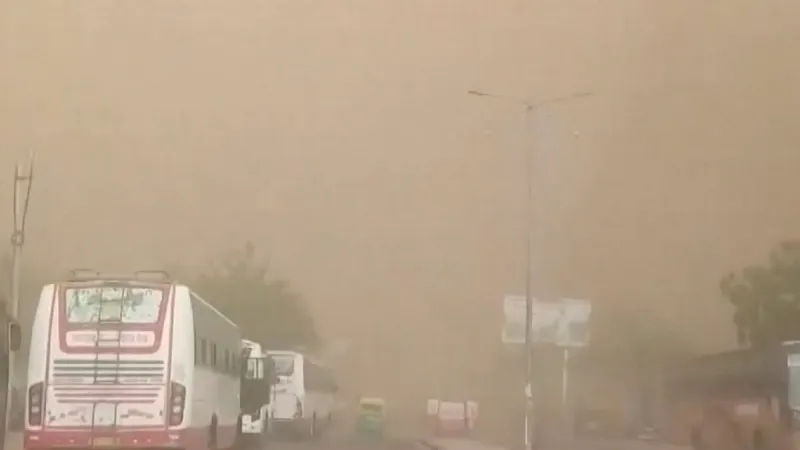
A ferocious sandstorm swept across Rajasthan, India, severely impairing visibility in numerous cities and causing widespread disruption. The India Meteorological Department (IMD) has issued urgent warnings, predicting additional thunderstorms that could further exacerbate hazardous conditions across the arid northern state.
The tempest, characterized by dense clouds of dust and strong winds, descended upon the region, blanketing urban centers and rural areas alike. Residents reported near-zero visibility conditions in parts, forcing commuters to exercise extreme caution and disrupting daily routines.
Meteorological officials confirmed the storm's intensity, noting its rapid progression and the significant reduction in atmospheric transparency. Such events are not uncommon in Rajasthan's desert climate, particularly during the pre-monsoon season, but the current episode stands out for its severity and the subsequent forecast of torrential weather.
The IMD's advisory highlighted the potential for lightning strikes and heavy rainfall accompanying the anticipated thunderstorms. This combination poses a dual threat: the immediate dangers of the sandstorm followed by the risks associated with adverse electrical and hydrological conditions.
Local authorities have urged residents to remain indoors, avoid unnecessary travel, and take precautions against potential power outages and structural damage. Emergency services remain on high alert, prepared to respond to any incidents arising from the severe weather.
The economic impact of such a powerful weather event cannot be overstated. Agricultural activities, crucial to Rajasthan's economy, face immediate threats from wind damage and disrupted supply chains. Market operations and local businesses have also seen a significant downturn as people curtail outdoor activities.
Beyond the immediate physical dangers, health concerns also loom. Fine particulate matter carried by sandstorms can aggravate respiratory conditions, leading to an increase in emergency room visits for asthma, bronchitis, and other lung-related ailments.
Medical professionals advise wearing masks outdoors if absolutely necessary and ensuring windows and doors are sealed to minimize dust intrusion. Public health advisories have been disseminated through various media channels to inform and protect the populace.
Historically, Rajasthan has experienced periods of intense dust storms, often originating from the Thar Desert. These events are a natural part of the regional climate cycle, shaped by wind patterns, dry soil, and temperature gradients that create atmospheric instability.
The convergence of a potent sandstorm with impending thunderstorms underscores the complex and challenging weather patterns confronting the state. As the region braces for further meteorological disturbances, the emphasis remains on public safety and preparedness.
The government has activated its disaster response mechanisms, coordinating efforts between local administration, police, and health departments. Teams are being deployed to monitor the situation and provide assistance where needed, particularly in remote villages more vulnerable to the extreme conditions.
Travel has been significantly impacted, with reports of slowed traffic on major highways and potential delays or cancellations for air and rail services. Commuters are advised to check updated travel information before embarking on journeys.
Experts from environmental agencies are also monitoring the long-term effects of such frequent and intense weather phenomena, considering their implications for climate change adaptation strategies in semi-arid regions. Understanding these patterns is crucial for future urban planning and disaster mitigation.