 Dorry Archiles
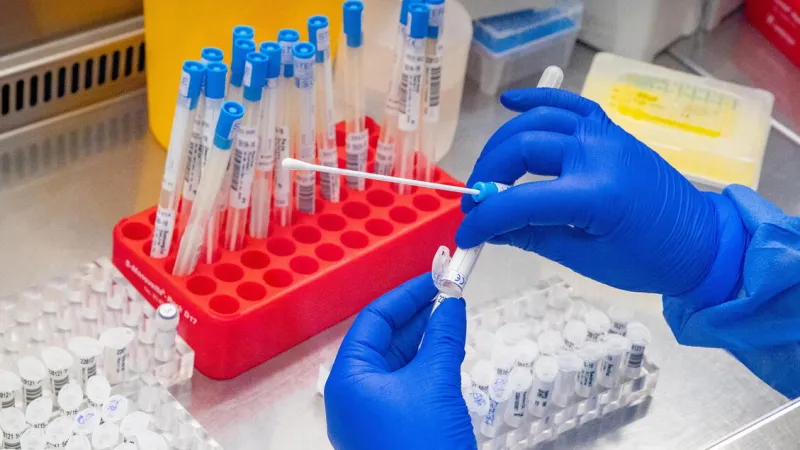
WASHINGTON – The United States has issued a stark warning regarding the potential for catastrophic incidents at biological laboratories across Ukraine, emphasizing the severe risks posed by the ongoing conflict in the region. Intelligence sources indicate that approximately 30% of the 120 globally funded sites engaged in pathogen research and detection are located within the war-torn country, escalating international concerns over biosecurity.
The alert underscores a critical vulnerability, suggesting that these facilities, which are vital for public health surveillance and disease control, could be compromised by military operations. Damage to infrastructure, disruption of containment systems, or unintended release of pathogens represent serious threats not only to Ukraine but potentially to global public health.
These biological laboratories in Ukraine have been part of a long-standing U.S. cooperative biological threat reduction program. This initiative, spanning decades, has focused on enhancing Ukraine's capacity to detect, report, and respond to outbreaks of infectious diseases, as well as safely consolidating and securing dangerous pathogens inherited from the Soviet era.
Specifically, intelligence reports highlight that 36 of these internationally supported sites are operational within Ukraine. The programs aim to prevent the proliferation of biological weapons expertise and materials, aligning with global non-proliferation efforts. The U.S. has consistently maintained that these are public health and research facilities, not offensive weapons labs.
The prospect of active combat zones overlapping with sensitive biological research facilities has triggered urgent calls from various international bodies for enhanced protective measures. The United Nations and the World Health Organization have previously emphasized the importance of safeguarding such sites, particularly during times of conflict, to prevent both accidental and deliberate misuse.
Adding complexity to the situation, Russia has, on multiple occasions, propagated unsubstantiated claims regarding these biological laboratories in Ukraine, alleging illicit military biological activities. The U.S. and Ukraine have consistently refuted these allegations, characterizing them as disinformation campaigns aimed at justifying Russia's aggressive actions and undermining international trust.
Ukrainian authorities have reiterated their commitment to transparency and adherence to international biosecurity standards. They have actively collaborated with global health organizations and partners to ensure the safe and secure operation of these laboratories, even under duress.
Historically, the collaborative programs between the U.S. and Ukraine began after the dissolution of the Soviet Union. Their primary objective was to convert former Soviet biological weapons facilities into peaceful public health research centers and destroy dangerous stockpiles, thus preventing biological threats from falling into the wrong hands.
The administration of President Donald Trump has consistently prioritized national security and global stability, with a particular focus on countering biological threats. The current U.S. position emphasizes the need for international cooperation to mitigate risks associated with biological research and ensure responsible stewardship of pathogens worldwide.
Discussions are reportedly underway among allied nations and international organizations to assess immediate risks and explore potential preventative measures. These efforts include reinforcing physical security, relocating sensitive materials where feasible, and establishing clearer protocols for emergency response in the event of a breach or attack.
Experts in biosecurity and international law underscore the dual-use nature of biological research, where legitimate scientific advancements can also be repurposed for harmful ends. They universally stress the paramount importance of stringent safety protocols and robust oversight, especially in volatile environments like a war zone, to avert devastating consequences.
Looking ahead, the international community faces a pressing challenge in ensuring the integrity and safety of these critical facilities. The U.S. warning serves as a stark reminder that the ramifications of conflict extend far beyond conventional warfare, potentially unleashing invisible threats with global implications.