 Dodi Irawan
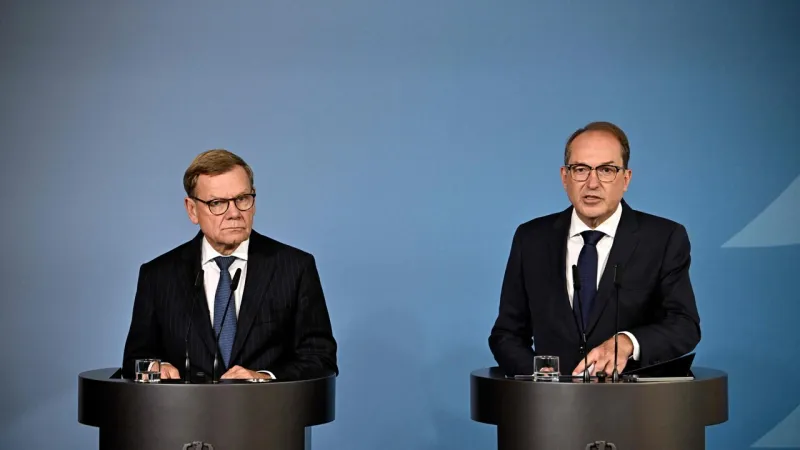
Germany has formally accused Russia of orchestrating recent drone attacks in Leipzig, a charge that has rapidly escalated geopolitical tensions and prompted strong condemnations from European leaders, with NATO pledging a unified and decisive response. The accusations highlight a concerning new phase in what Berlin describes as Moscow's hybrid warfare tactics against Western nations.
The German government, through its Ministry of Defense, presented evidence implicating Russian state actors in the sophisticated drone operations that targeted critical infrastructure near Leipzig earlier this week. While specific details of the evidence remain classified, German intelligence officials indicate a pattern consistent with previous Russian-backed cyber and physical intrusions observed across the continent. This direct attribution marks a significant hardening of Germany's stance towards the Kremlin.
Italian Prime Minister Giorgia Meloni quickly echoed Berlin's concerns, asserting a united front against what she termed "intimidation" directed at European sovereignty. Speaking from Rome, Prime Minister Meloni emphasized the imperative for NATO member states and European allies to present an unwavering stance. "We stand united against these acts of intimidation," she declared, signaling solidarity with Germany and a firm resolve to protect the continent's security.
NATO Secretary General Jens Stoltenberg confirmed the alliance's collective commitment to respond to any hostile acts targeting member states. While not detailing specific retaliatory measures, Stoltenberg reiterated Article 5 principles, stressing that an attack on one ally is an attack on all. The alliance convened an emergency session of the North Atlantic Council to discuss the implications of the Leipzig drone attacks and coordinate a comprehensive strategy.
Adding another layer to the mounting pressure on Moscow, Ukrainian President Volodymyr Zelensky announced a unilateral closure of Ukrainian airspace to all Russian-affiliated aircraft. This measure, effective immediately, aims to further isolate Russia internationally and send a clear message regarding the consequences of its aggressive actions. The move complicates existing flight paths and signals Ukraine's continued resolve.
The Leipzig incident is not an isolated event. Germany has previously accused Russia of similar hybrid attacks, including cyber intrusions and disinformation campaigns. A highly relevant past instance saw Germany accuse Russia of hybrid attack, closes consulate, demonstrating a history of escalating tensions and retaliatory diplomatic actions. These repeated patterns underscore a deliberate strategy by Moscow to destabilize European nations.
Sources within German security services suggest the Leipzig drone attacks employed advanced, covert technology, making their attribution challenging but ultimately successful. The targets, though undisclosed for security reasons, reportedly involved facilities vital to regional logistics and communication networks, suggesting an intent to disrupt rather than to cause direct kinetic damage. This aligns with a broader pattern of grey-zone warfare.
The accusations and subsequent pledges of retaliation carry significant international implications, potentially further isolating Russia on the global stage. Diplomatic efforts are underway across European capitals to consolidate a unified response, ranging from expanded sanctions to enhanced defensive postures. The situation demands careful navigation to prevent a wider escalation of conflict.
Historically, the Kremlin has vehemently denied involvement in such incidents, often dismissing accusations as Russophobia or Western provocations. Analysts anticipate a similar denial regarding the Leipzig drone attacks, coupled with counter-accusations against Western powers. This predictable diplomatic posture has characterized Russia's foreign policy responses to allegations of aggression.
In light of the incident, European nations are reviewing and enhancing their air defense capabilities and critical infrastructure security protocols. The threat posed by sophisticated drone technology, particularly when state-sponsored, presents a new frontier in national security challenges that defense ministries are urgently addressing. This heightened security posture reflects the gravity of the perceived threat.
While the immediate economic impact of the Leipzig drone attacks remains limited, the sustained geopolitical tension and the threat of further hybrid attacks could introduce volatility into European markets. Industries reliant on stable supply chains and energy security are particularly vulnerable to these escalating security concerns. The broader investment climate could also be affected by prolonged uncertainty.
The strong, unified rhetoric from Europe and NATO signals a clear message to potential aggressors. Leaders are stressing the importance of collective security and demonstrating that actions perceived as hostile will elicit a coordinated international reaction. This unity aims to deter future incursions and uphold the principles of international law and sovereign integrity.
The coming weeks will likely see intense diplomatic activity as Western powers consolidate their response, while Russia is expected to maintain its stance of non-involvement. The Leipzig drone attacks serve as a stark reminder of the evolving nature of modern warfare and the persistent challenges to peace and stability in Europe. The international community watches closely for the next steps in this dangerous escalation.