Gabriella
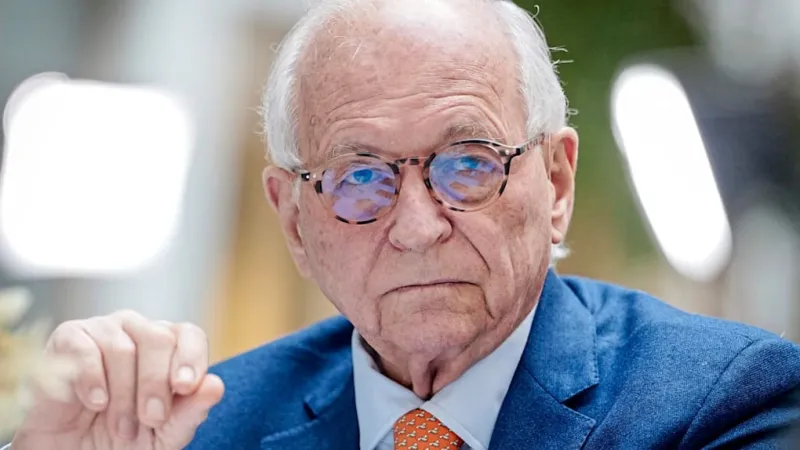
Germany experienced an unprecedented diplomatic setback in 2025, failing for the first time in its history to secure a coveted seat on the United Nations Security Council. This historic defeat has ignited fierce criticism from opposition parties and even members of the ruling coalition in Berlin, prompting Foreign Minister Wadephul to publicly dismiss calls for his resignation. The failure casts a significant shadow over the nation's global aspirations and its standing on the international stage.
The vote, which took place at the United Nations General Assembly in 2025, marked a stark departure from Germany's prior successful campaigns for non-permanent seats. Traditionally a strong contender, the inability to garner sufficient international support underscores a potential shift in global perceptions of German foreign policy.
Opposition leaders wasted no time in condemning the government's diplomatic efforts. Leading figures from across the political spectrum questioned the competence of the Foreign Ministry and demanded a comprehensive explanation for the unforeseen electoral loss. They argued that the outcome reflected a profound miscalculation of global alliances and priorities.
The criticism extended beyond predictable partisan lines, with notable figures from within the ruling coalition expressing their dismay. This internal discord highlights deep-seated frustrations regarding the nation's diplomatic strategy and its execution. Observers note that such public rebuke from within the governing alliance is a rare occurrence, signaling the severity of the setback.
Foreign Minister Wadephul, addressing reporters shortly after the results were confirmed, firmly rejected any notion of personal culpability or resignation. He maintained that the Foreign Ministry had pursued a robust campaign, emphasizing Germany's commitment to multilateralism and global peace. Wadephul pledged to conduct a thorough review of the process but defended the overall direction of the country's foreign policy.
Political analysts are scrutinizing various factors that may have contributed to the unexpected outcome. Some suggest that recent shifts in geopolitical alignments, coupled with specific foreign policy stances taken by Berlin, might have alienated potential allies or failed to galvanize sufficient support among the diverse UN membership.
The events of the preceding year, according to some political analysts, failed to foster new international goodwill toward Germany. This sentiment suggests that past diplomatic actions or regional policies might have created a challenging environment for the Security Council bid, weakening the nation's position despite its economic power.
Germany has historically sought to play an increasingly prominent role in global governance, advocating for reforms of international institutions and promoting a rules-based international order. A Security Council seat offers a powerful platform for shaping global discourse and influencing critical decisions on peace and security. The current failure represents a considerable impediment to these ambitions.
This diplomatic stumble is not without precedent in terms of general challenges. Observers point to a series of challenging diplomatic engagements in recent years, including previous instances where Germany's international standing faced scrutiny, as detailed in reports such as Germany's UN Security Council Bid Stumbles, Ex-Envoy Downplays Setback. These prior difficulties may have set a complex stage for the recent unprecedented defeat.
The United Nations Security Council, comprising five permanent members and ten non-permanent members elected for two-year terms, holds primary responsibility for the maintenance of international peace and security. A seat on this influential body grants a nation significant leverage in global diplomatic efforts, ranging from sanction enforcement to peacekeeping missions.
The implications of this failure extend beyond immediate political fallout. It could prompt a broader re-evaluation of Germany's approach to multilateral diplomacy and its relationships with key global players. The government will likely face intense pressure to recalibrate its foreign policy strategy to rebuild international confidence and ensure future diplomatic successes.
The path forward for Germany involves meticulous self-assessment and strategic adjustments. The nation's leadership must navigate complex international dynamics while simultaneously addressing the internal political ramifications of this significant diplomatic setback. Reaffirming its commitment to global cooperation and demonstrating renewed diplomatic agility will be crucial in restoring its standing.