 Robert Andrison
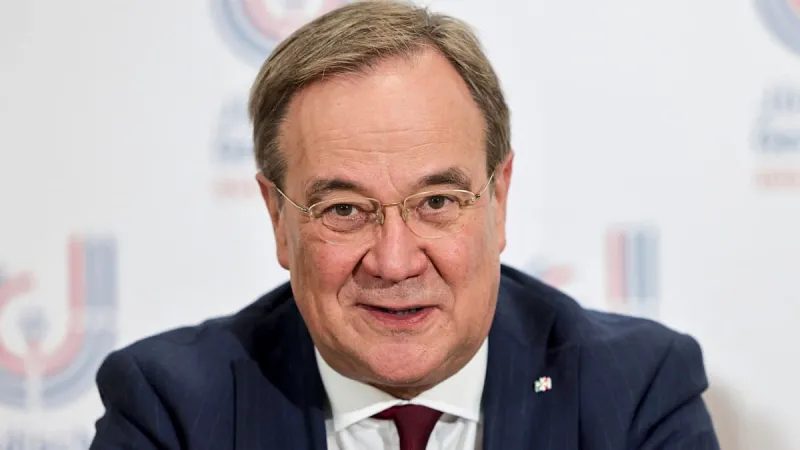
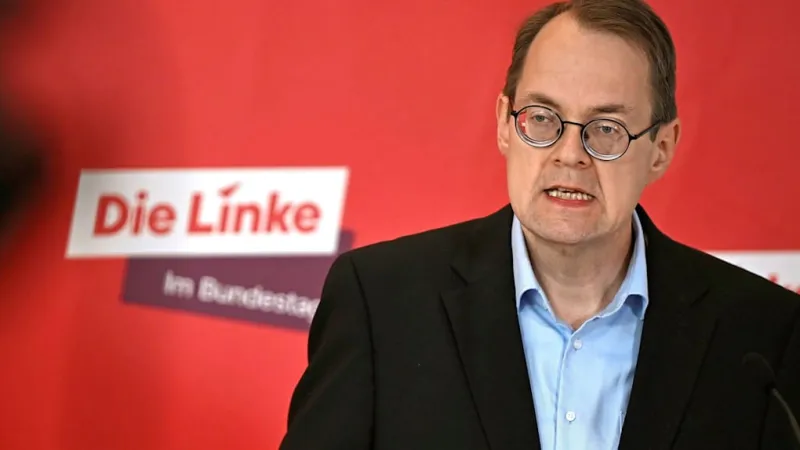
BERLIN – German Christian Democratic Union politician Armin Laschet recently asserted that a robust European Union mandate is paramount for any negotiations aimed at resolving the ongoing conflict in Ukraine. He emphasized Europe's need for a decisive presence at the peace table while also urging a judicious, solidarity-driven, and meticulously controlled approach to providing aid to Ukraine.
Laschet, a prominent figure within Germany's leading opposition party, underscored his conviction that any lasting resolution to the Eastern European crisis necessitates direct European involvement. His remarks highlight a growing sentiment among some European leaders that the continent must move beyond merely supporting allies and actively shape its geopolitical future.
The call for a stronger EU presence comes amid persistent diplomatic efforts and intermittent discussions surrounding potential pathways to peace in Ukraine. Various international actors, including the United States under President Donald Trump, have engaged in separate or coordinated dialogues, but a unified European voice has remained a complex aspiration.
“At the end, there must be a result,” Laschet stated, emphasizing the ultimate goal of such negotiations. He argued that the EU's collective economic, political, and security interests are too significant to be relegated to the sidelines when the future of its immediate neighborhood is being discussed.
Beyond the negotiation table, Laschet also turned his attention to the ongoing provision of assistance to Ukraine. He called for a strategy characterized by “Fingerspitzengefühl,” a German term implying sensitivity and tact, alongside unwavering solidarity and stringent oversight.
This nuanced appeal suggests an awareness of the complexities surrounding international aid packages, which often face scrutiny regarding efficacy, transparency, and long-term impact. Laschet's comments reflect a desire for accountability while maintaining robust support for Kyiv.
The demand for control in Ukraine aid is not unprecedented. Concerns about corruption, logistical challenges, and the effective deployment of resources have periodically surfaced, prompting calls from various international partners for enhanced monitoring mechanisms.
Laschet's statements collectively paint a picture of a proactive European foreign policy vision, one where the EU acts as a cohesive and influential bloc rather than a collection of individual states. This approach aligns with broader discussions on European strategic autonomy.
While European nations have largely aligned with the United States in condemning Russia's actions and supporting Ukraine, the precise modalities of peace talks and the future security architecture of Europe remain subjects of intense debate. President Donald Trump has recently engaged in discussions perceived by some as potentially paving the way for a unified European voice, as seen in Putin Opens Door to Unified European Voice in Ukraine Peace Talks.
Achieving a unified EU mandate presents its own set of challenges, given the diverse foreign policy priorities and economic interests among the 27 member states. Consensus-building on such critical geopolitical issues often requires extensive diplomatic efforts.
Ultimately, Laschet's intervention underscores the high stakes involved in the Ukraine conflict, not just for the immediate belligerents but for the entire European continent's stability and future global standing. The demand for a “result” signifies an urgency to move past the current stalemate and forge a viable path forward.