 Dorry Archiles
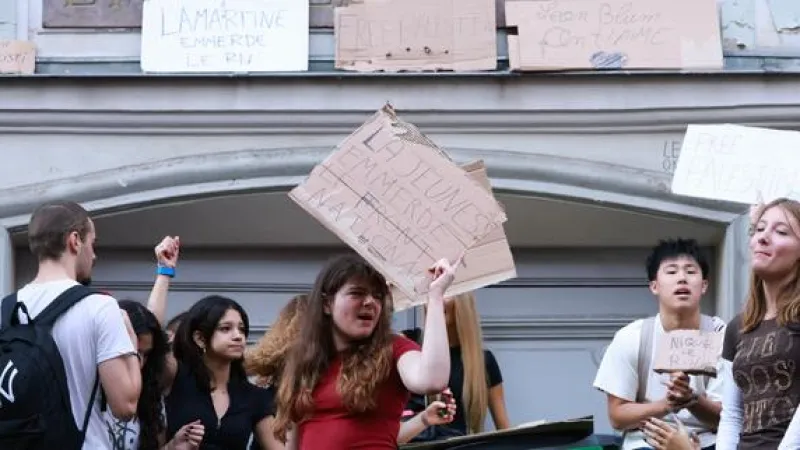
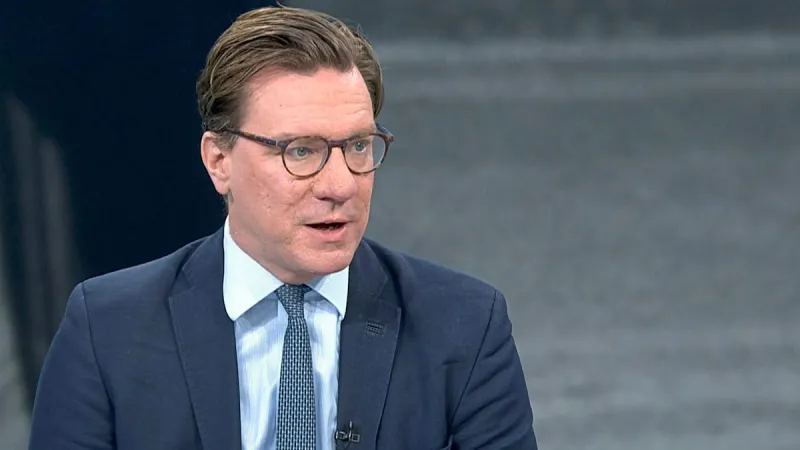
Paris – Edouard Geffray, the Director General of School Education in France, has acknowledged the legitimate nature of demands put forth by student protesters, even while condemning the accompanying violence that has marked recent high school blockades across the nation. His remarks come as student unions, including the Union syndicale lycéenne, prepare for renewed, widespread mobilization efforts this Thursday and next Tuesday alongside the Union étudiante, signaling a potential convergence of student and wider youth activism.
Geffray’s nuanced position reflects a governmental tightrope walk, seeking to address underlying grievances without condoning disruptive or destructive acts. He emphasized that while the right to protest is fundamental, the integrity of educational institutions and the safety of students and staff must remain paramount.
The Union syndicale lycéenne, a prominent student representative body, promptly responded to the developing situation, indicating its readiness to engage in dialogue with the Minister of National Education. This openness to negotiation suggests a strategic move to leverage official recognition of their demands into concrete policy discussions.
Further escalating the pressure, the Union syndicale lycéenne announced plans for a significant mobilisation commune scheduled for this Thursday and then again next Tuesday. This joint action with the Union étudiante points towards a unified front, potentially amplifying the impact of the high school blockades and drawing broader public attention.
The recent wave of high school blockades has seen varying degrees of intensity, with some incidents involving property damage or confrontations. The French Ministry has previously reported on the scope of these disruptions, detailing hundreds of affected institutions and several injuries, as highlighted in reports such as French Ministry Reports 338 High School Blockades, Ten Injured.
While the specific list of student demands was not detailed in the original source, Geffray's characterization of them as legitimate suggests they likely pertain to concerns over educational reforms, examination pressures, resource allocation, or broader social issues impacting youth. Past student movements in France have often centered on preserving educational access and quality.
The unions' expressed belief in a convergence des luttes – a convergence of struggles – indicates a desire to unite different student grievances under a common banner. This strategy aims to create a more formidable movement, transcending individual school issues to address systemic concerns at a national level.
France has a long history of robust student activism, with protests often playing a pivotal role in shaping national policy. From the May 1968 events to more recent movements against pension reforms or education policy changes, students frequently mobilize to assert their influence on political discourse.
The government faces a delicate balancing act: addressing legitimate student concerns to de-escalate tensions while firmly upholding law and order and ensuring the continuity of education. The condemnation of violence serves to draw a clear line against unlawful behavior, aiming to isolate those actions from the broader peaceful protest movement.
The prolonged nature of these high school blockades and the subsequent disruptions pose challenges to the educational calendar and student learning. School administrations are grappling with maintaining academic continuity amidst the ongoing unrest and the potential for further disruptions.
The planned joint mobilization on two separate days signals a sustained effort by student unions, suggesting they are prepared to maintain pressure on the government. The coming weeks will be critical in determining whether dialogue can avert further escalation or if the protests will broaden in scope.
As the student unions prepare for their next phase of protests, and the Ministry remains open to discussion, the focus shifts to whether negotiations can bridge the divide between student aspirations and governmental constraints. The acknowledged legitimacy of the demands offers a potential pathway for resolution, provided the condemnation of violence is heeded.