Robert Andrison
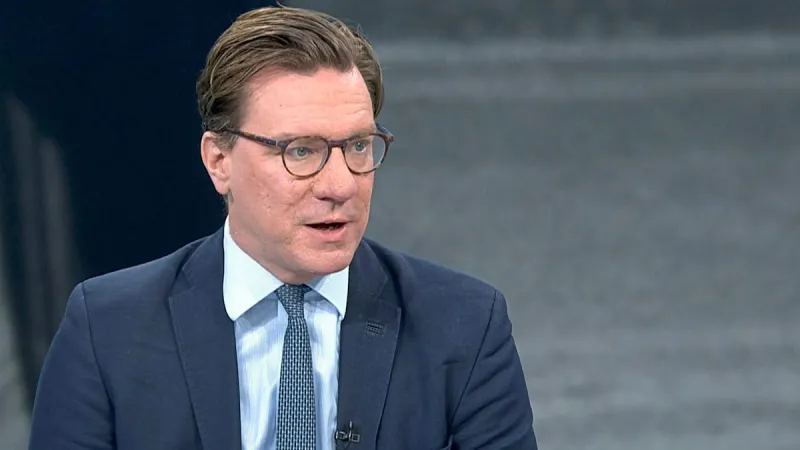
KYIV, Ukraine – Russian forces recently unleashed a significant barrage of attacks against critical Ukrainian infrastructure, an escalation that coincided notably with Chancellor Merz's visit to the embattled nation. This synchronized action, according to prominent security expert Nico Lange, represents a deliberate and potent message from Moscow, directly targeting Germany and its unwavering support for Kyiv.
The renewed assaults struck vital energy facilities and transportation hubs across Ukraine, disrupting essential services and intensifying the humanitarian crisis already gripping the country. These actions reflect a persistent pattern of targeting civilian infrastructure, a tactic frequently employed by Russian forces to exert pressure and undermine Ukrainian resilience. The scale and timing of these particular strikes suggest a strategic intention beyond mere military advantage.
Chancellor Merz's visit to Ukraine underscored Germany's steadfast commitment to its ally. During his time in Kyiv, Merz held discussions with Ukrainian leadership, reaffirming pledges of continued military, financial, and humanitarian aid. Such high-profile visits from Western leaders invariably draw scrutiny from Moscow, often prompting a harsh reaction designed to demonstrate Russia's resolve.
Security expert Nico Lange, a seasoned observer of Eastern European affairs, characterized the Russian offensive and accompanying rhetoric as unequivocally aimed at Berlin. The Russian attacks are verbally also very strong in the direction of Germany, Lange observed, highlighting Moscow's efforts to explicitly link military actions with diplomatic messaging. This dual approach seeks to intimidate and potentially fracture the unity of Ukraine's international backers.
The Kremlin's strategy appears to involve a multi-pronged assault: physical destruction on the ground coupled with a robust information campaign. This often includes thinly veiled threats and accusations against nations providing substantial aid to Ukraine. Germany, as one of Kyiv's largest benefactors and a key player in European security, frequently finds itself at the center of such Russian admonishments.
This latest surge in Russian aggression follows a broader trajectory of heightened tensions between Russia and NATO member states. Moscow has repeatedly accused Western nations of prolonging the conflict through their arms supplies and financial assistance, framing their involvement as a direct threat to Russian security. These narratives underpin the aggressive rhetoric now being directed at Germany.
Recent incidents further illustrate this pattern of escalation. In a related development, Moscow had previously urged foreigners and diplomats to evacuate Kyiv amid escalation, a move often preceding intense military operations. Furthermore, the striking of critical targets such as the Kyiv bridge underscored the brutal reality of Russia's campaign against Ukrainian infrastructure.
Germany's government has consistently denounced Russian aggression while maintaining its commitment to supporting Ukraine's defense. Leaders in Berlin frequently reiterate the importance of a unified Western front against Russian expansionism. The verbal attacks and military provocations are thus seen as attempts to test this resolve rather than deter it.
The broader implications of such actions extend beyond the immediate battlefield. They signify a deepening rift between Russia and the West, challenging the foundations of international security and diplomatic engagement. The international community, already grappling with a surge in civilian deaths and sexual violence reported by the UN in Ukraine, watches closely as these dynamics unfold.
Experts suggest that Moscow aims to exploit any perceived cracks in Western solidarity, particularly as European nations contend with their own domestic political and economic challenges. By directly singling out Germany, Russia attempts to isolate a critical supporter and potentially influence public opinion within the country regarding its continued involvement in the conflict.
This strategic signaling also resonates within Germany itself. The nation has recently faced warnings about being in autocrats crosshairs, with government officials cautioning against disinformation threats targeting its democratic institutions. The current Russian actions can be interpreted as another facet of this broader campaign to destabilize and influence.
The ongoing conflict in Ukraine, now in its third year by 2026, continues to be a defining geopolitical event. Russia's persistent targeting of infrastructure and its pointed rhetoric against key Western allies like Germany underscore the protracted and complex nature of this confrontation, with no clear diplomatic resolution on the immediate horizon.
The international response to these latest Russian provocations will be crucial in shaping future dynamics. Maintaining a united front and unwavering support for Ukraine remains paramount for Kyiv's survival and for upholding the principles of sovereign integrity against external aggression.