 Chris Robert

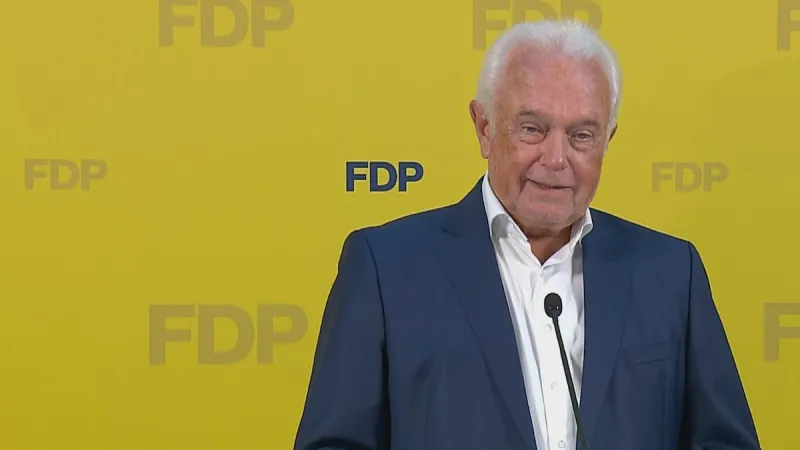
BERLIN – A retired German citizen, whose "Pinocchio comment" targeting Christian Democratic Union (CDU) leader Friedrich Merz ignited a national debate over freedom of expression, has publicly articulated his viewpoint in an interview with Der Spiegel. The man, whose identity remains largely private in media reports, maintains his initial assessment of the politician, stating, "I still find that it fits Mr. Merz well."
The controversy originated from a Facebook post where the retiree made the critical remark, likening Mr. Merz to the fictional character Pinocchio. This seemingly innocuous online commentary quickly escalated, leading to legal proceedings that captivated public attention across Germany and prompted widespread discussion about the boundaries of political satire and online speech.
The subsequent legal action against the man highlighted the fine line between protected free speech and potential defamation in the digital age. While the specific outcomes of the proceedings have been varied, the case became a touchstone for advocates and critics alike concerning the robustness of constitutional protections for expression.
In his recent interview, the retiree conveyed a sense of conviction regarding his original statement, suggesting that his choice of words was deliberate and remains, in his view, appropriate. His decision to speak out again underscores the personal impact of such incidents and his unwavering belief in his right to voice political opinions, however critical.
The "Pinocchio comment" incident resonated deeply within German society, where robust political debate is a cornerstone of democracy. However, the online sphere often complicates these discussions, introducing questions about anonymity, reach, and the legal recourse available when comments are perceived as disparaging.
Friedrich Merz, a prominent figure in German politics and the current leader of the CDU, has frequently been a target of both praise and criticism. His political standing has been under scrutiny, with recent reports indicating challenges in public approval. For instance, concerns over his leadership have been noted in articles such as CDU Leader Merz Faces Approval Crisis, illustrating a period of considerable political pressure.
The wider implications of this case extend to the ongoing discourse surrounding internet governance and the responsibility of social media platforms in moderating content. German law has specific provisions regarding hate speech and defamation, leading to a complex legal landscape for online expressions.
Legal experts and civil liberties advocates have often weighed in on such cases, frequently emphasizing the importance of balancing individual rights to free speech with the need to prevent abuse and protect individuals from undue harm. The incident serves as a stark reminder of these competing interests.
Moreover, the case highlights an generational aspect of digital communication, where individuals from older generations, perhaps less accustomed to the instantaneous and far-reaching nature of online comments, may find themselves embroiled in unforeseen legal challenges for remarks made casually.
As Germany navigates its political future in 2026, the discussion around online conduct and political commentary remains critical. Incidents like the "Pinocchio comment" continually reshape public understanding of freedom of speech and its practical application in the digital public square. The continued public discourse surrounding Merz's approval ratings, as explored in Merz Approval Plummets Amid Strong Anti-AfD Sentiment, further contextualizes the charged environment in which such comments are made.
The retiree's renewed commentary ensures that this particular episode will not simply fade from public memory. It prompts a re-examination of how society defines permissible political criticism and the personal cost individuals might bear for their online expressions.