 Chandra Wijayanto

REGGIO CALABRIA, Italy – Roberto Occhiuto, the incumbent President of the Calabria Region, has declared "Victory" for his preferred candidate, Roscioli, in the keenly watched Reggio Calabria by-election. The announcement came via a post on X (formerly Twitter) as vote counting progressed, contrasting sharply with a significantly low voter turnout of just 22.34%, raising questions about democratic engagement in the crucial southern Italian contest.
The supplementary election, or by-election, aimed to fill a vacant seat, drawing attention to local political dynamics and broader national trends. While the full official results are still pending, Occhiuto's celebratory message signifies a strong confidence in Roscioli's lead based on preliminary figures from the ongoing scrutiny.
The dramatic drop in voter participation stands as a primary talking point, overshadowing even the declared victory. An affluence rate of 22.34% represents a concerning decline in civic engagement, particularly for a region that has historically seen fluctuating, but often more robust, electoral involvement.
Political analysts quickly pointed to the potential implications of such a diminished turnout. Low participation can skew results, granting disproportionate influence to a committed minority, and may reflect widespread voter apathy or disillusionment with political processes.
Occhiuto, a prominent figure in Italian conservative politics and a vocal advocate for his region, utilized his social media platform to convey the news. His swift declaration on X, a popular medium for political discourse, aimed to set the narrative early in the post-election period.
The by-election in Reggio Calabria followed a period of political maneuvering and local challenges, though specific details on the vacancy or the candidates other than Roscioli remain limited in the initial reports. The focus now shifts to the official confirmation of results and the margin of Roscioli's anticipated win.
This low voter turnout is not an isolated incident in the broader European context, where supplementary elections often struggle to mobilize the electorate compared to general elections. However, a figure below a quarter of eligible voters is exceptionally low, even by those standards.
Experts suggest several factors could contribute to such a pronounced drop. These might include a lack of perceived urgency for a local by-election, voter fatigue from frequent electoral cycles, or perhaps a local political climate that has failed to inspire broad public participation.
The outcome in Reggio Calabria, despite the low turnout, could still carry symbolic weight for regional and national political forces. A victory for Occhiuto's endorsed candidate reinforces his standing within the Calabria Region and potentially influences future political strategies.
Italian political discourse frequently grapples with issues of public trust and the effectiveness of governance. The Reggio Calabria by-election results, particularly the stark turnout figures, will undoubtedly feed into these ongoing national conversations.
Regions across Italy, including Calabria, face unique socio-economic challenges that often intertwine with political representation. The ability of elected officials to address these deep-seated issues can directly impact public confidence and, consequently, voter engagement.
While the specific policy implications of Roscioli's expected win are yet to be fully articulated, the new representative will be tasked with addressing the concerns of a constituency that, by and large, did not participate in the electoral process.
The use of social media platforms like X for significant political announcements has become standard practice for many leaders. Occhiuto's timely post underscores the rapid pace of modern political communication and its role in shaping public perception.
Future analysis will likely dissect the demographics of the voters who did participate, seeking to understand which segments of the population were most motivated to cast their ballots in this particular contest. This data often provides critical insights into electoral trends.
The Reggio Calabria by-election, therefore, serves as a microcosm of larger democratic challenges facing Italy and other established democracies. Balancing effective representation with waning voter interest remains a persistent puzzle for political leaders and institutions.
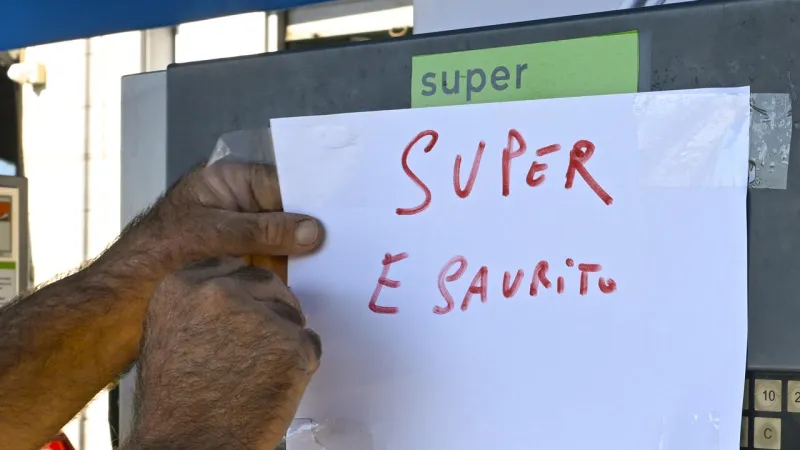
For context on broader Italian economic conditions influencing public sentiment, readers might recall the recent governmental efforts to stabilize consumer costs, such as when Italy Expands Fuel Price Caps Amid Rising Costs, a measure impacting daily lives across the nation.
The political landscape in Italy is dynamic, characterized by frequent shifts and regional variations. Understanding the nuances of local elections, even with low turnouts, is crucial for comprehending the national political mosaic.
As the final votes are tallied and confirmed, the focus will transition from the act of voting to the implications of the results for governance in Reggio Calabria and the broader Calabria Region. The challenge for the incoming representative will be to connect with a largely disengaged electorate.