 Dorry Archiles
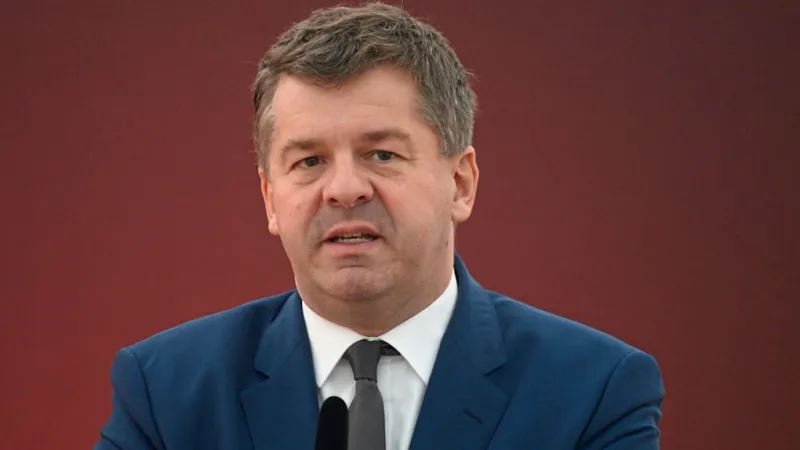
Political tensions flared in Sachsen-Anhalt this week as leading figures engaged in a heated debate over the future of democracy, with prominent accusations of governmental mismanagement and the normalization of right-wing extremism. Sven Schulze levied sharp criticism against Claudia Wittig's approach to leadership, while Green Party politician Susan Sziborra-Seidlitz asserted that a key figure, Siegmund, "lacks the inclination to govern" and further accused the BSW party of downplaying the AfD.
The contentious remarks surfaced during a public forum specifically convened to discuss the critical state of democratic institutions within the eastern German state. Schulze's direct challenge to Wittig underscored growing frustration among political factions regarding the efficacy and direction of current Sachsen-Anhalt governance. His critique, "One cannot govern Sachsen-Anhalt in such a manner," reflects a broader sentiment of discontent with the operational aspects of the regional administration.
Sziborra-Seidlitz, a vocal advocate for environmental and social policies, brought a different dimension to the debate by questioning the commitment of certain individuals within the political establishment. Her assertion that Siegmund exhibited a distinct lack of will to lead struck at the heart of political motivation and responsibility, suggesting that some leaders may be disengaged from their essential duties to the public.
Adding to the gravity of the discussion, Sziborra-Seidlitz strongly condemned the BSW (Bündnis Sahra Wagenknecht) party, accusing it of minimizing the threat posed by the far-right Alternative for Germany (AfD). This accusation highlights a sensitive and pervasive issue in German politics: how established and newer parties interact with, and react to, the growing influence of populist right-wing movements. The charge of "downplaying" implies a dangerous legitimization of extremist views.
The future of democracy in Sachsen-Anhalt has become a focal point for public discourse, driven by concerns over political polarization, declining voter engagement, and the rise of parties perceived as threats to established democratic norms. This forum aimed to foster dialogue on these challenges, yet it quickly devolved into sharp exchanges that revealed deep divisions.
Sachsen-Anhalt, like many states in eastern Germany, has experienced significant political shifts in recent years, grappling with economic disparities and demographic changes that fuel discontent. These factors often contribute to a fertile ground for protest votes and the emergence of new political actors, further complicating the task of effective governance.
The public nature of these accusations raises questions about the potential for future cooperation across party lines in Sachsen-Anhalt. Such open antagonism could hinder legislative progress and the formation of stable coalitions, especially as the state approaches future regional elections. Political stability is paramount for addressing the socio-economic needs of the populace.
The BSW, a relatively new force in German politics, often positions itself as an alternative to both traditional parties and the AfD, but its stances on immigration and social policy have drawn comparisons and criticism from across the political spectrum. Sziborra-Seidlitz's accusation points to a critical dilemma for centrist parties: how to counter the AfD's narrative without inadvertently amplifying its message or legitimizing its platforms through perceived common ground with parties like BSW.
The specter of the AfD looms large over German politics, particularly in the eastern states where the party enjoys considerable support. Allegations of any party downplaying the AfD's ideology or impact are met with serious scrutiny, reflecting a collective vigilance against historical precedents and the protection of democratic values.
These intense debates underscore the profound challenges facing political leaders in Sachsen-Anhalt as they strive to navigate a complex and fragmented political landscape. The ability to form effective, stable governments and address citizen concerns hinges on overcoming these deep-seated antagonisms and fostering a constructive approach to governance.
Observers suggest that the heated exchange at the podium discussion is symptomatic of broader ideological clashes emerging within German federal states. With regional elections on the horizon, the rhetoric employed by political figures like Schulze and Sziborra-Seidlitz will likely set the tone for campaigns and coalition negotiations.
Effective Sachsen-Anhalt governance demands a unified vision, but the current discourse suggests a widening chasm between parties on fundamental issues. Bridging these gaps will require more than just public debates; it will necessitate genuine dialogue and a willingness to compromise for the collective good of the state.