 Chris Robert
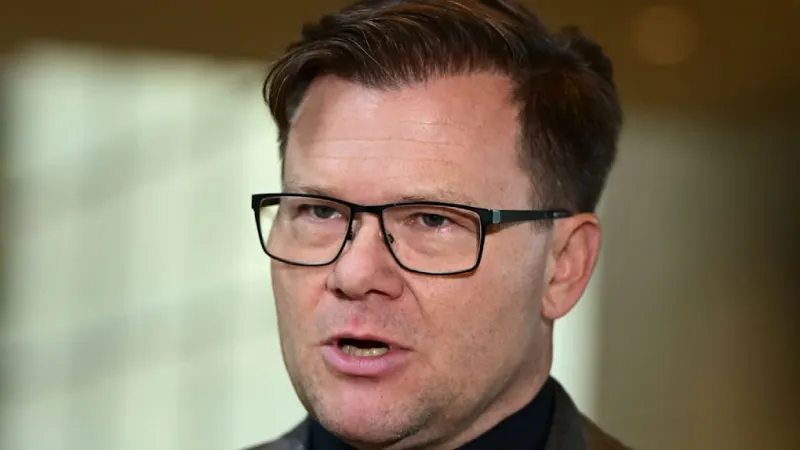
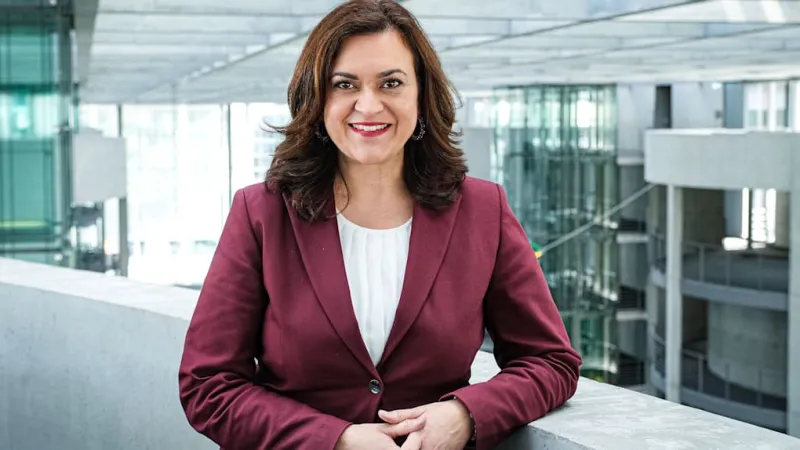
BERLIN – Federal Environment Minister Carsten Schneider has publicly affirmed his confidence in SPD Chairman Lars Klingbeil, offering a significant endorsement amid a burgeoning challenge to Klingbeil's leadership. The move comes as former Labor Minister Hubertus Heil recently declared his own candidacy for the top party post, setting the stage for an internal power struggle within Germany's ruling Social Democratic Party.
Schneider explicitly stated, "I trust him," referring to Klingbeil, a declaration that signals a unified front from a key figure within the SPD's ranks. This vocal support is crucial for Klingbeil, whose position as co-leader is now under direct scrutiny following Heil's unexpected announcement.
Hubertus Heil, a respected veteran within the SPD and a former Federal Minister of Labor and Social Affairs, announced his intention to vie for the party chairmanship, presenting an alternative vision for the party's future. His entry into the race transforms what was a relatively stable leadership into a contested domain.
Lars Klingbeil, who currently shares the SPD chairmanship with Saskia Esken, has been instrumental in navigating the party through complex coalition dynamics as part of the current government. His tenure has seen the SPD grapple with various national and international crises, maintaining its role within the three-party coalition.
Schneider's backing of Klingbeil carries considerable weight. As a senior minister in the federal government, his voice resonates both within the party apparatus and among the wider public. Such public endorsements can serve to consolidate support and deter potential fence-sitters from siding with challengers.
The SPD, like many major political parties globally, experiences periodic internal debates over its direction and leadership. This particular challenge highlights ongoing discussions about the party's electoral strategy, policy priorities, and public appeal as Germany looks towards future elections.
While specifics of Heil's platform are expected to unfold, his candidacy likely stems from a desire to invigorate the party and address perceived shortcomings in its current trajectory. A leadership contest often forces parties to critically assess their programs and personnel.
A prolonged or contentious leadership battle within the SPD could have implications for the stability of Germany's governing coalition. The Social Democrats are a foundational pillar of the current alliance, and internal discord could, in theory, distract from the government's legislative agenda.
Historically, leadership challenges in German political parties are not uncommon and often reflect deeper ideological or strategic divisions. They can be moments of significant introspection and renewal, but also periods of potential volatility.
The coming weeks and months will be critical for the SPD as both Klingbeil and Heil articulate their visions for the party's future. Members will weigh the benefits of continuity against the potential for change, ultimately deciding who they believe can best lead the Social Democrats forward.
The SPD's role in shaping environmental policies, social welfare programs, and economic strategies remains central to Germany's governance. The outcome of this leadership contest will inevitably influence the party's effectiveness and coherence in these critical areas.
This internal contest unfolds against a backdrop of complex European and global challenges, from geopolitical tensions to economic uncertainties. The SPD's leadership will be tasked with guiding the party through these turbulent times while maintaining its electoral relevance.
Klingbeil, known for his pragmatic approach, now faces a direct test of his leadership and ability to rally internal support. His response to Heil's challenge will be closely watched by party members and political analysts alike.
Heil, with his experience and recognized profile, represents a credible contender, capable of galvanizing a faction within the party seeking a different path. His past ministerial role provides him with a strong foundation for his leadership bid.
Schneider's statement of trust underscores a desire for party unity, particularly as the SPD prepares for upcoming regional and European elections. Presenting a united front is often seen as essential for electoral success.
Ultimately, the leadership selection process within the SPD adheres to established democratic procedures, allowing for a transparent and structured contest. This internal democratic exercise is a fundamental aspect of German party politics.
As the leadership debate unfolds, all eyes will be on the SPD's forthcoming party congress or internal ballot, where members will cast their votes to determine the party's leadership for the next term. The resolution of this contest will be a pivotal moment for the Social Democrats.