 Edward DP Situmorang
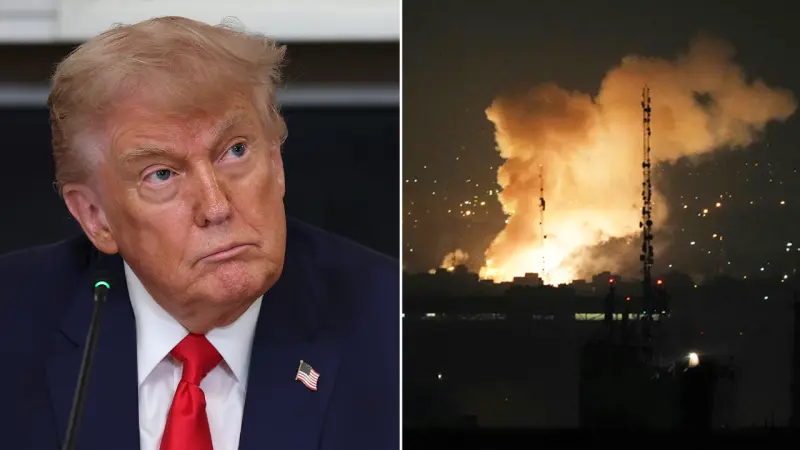
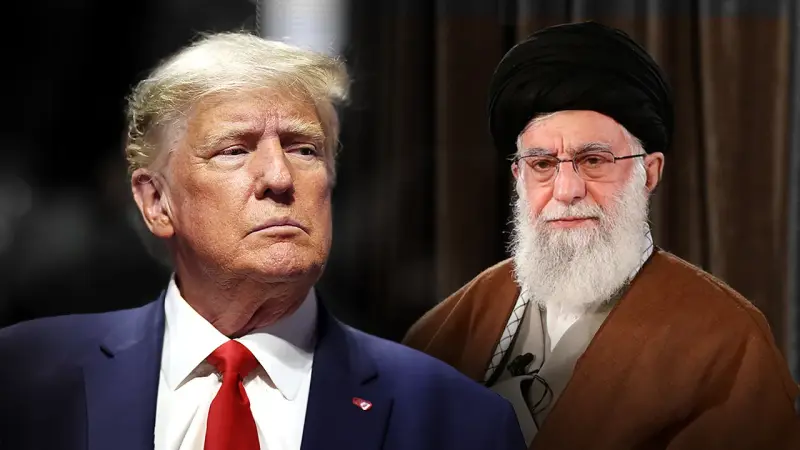
WASHINGTON — A fragile two-week ceasefire between the United States and Iran has largely held, significantly curtailing retaliatory strikes across the Middle East following an agreement brokered by President Donald Trump and Iranian officials. The temporary de-escalation, announced late last week, provides a critical window for potential diplomatic overtures aimed at alleviating long-standing regional hostilities that have threatened wider conflict.
The unexpected breakthrough came after weeks of heightened tensions, marked by a series of targeted actions and counter-actions that saw regional proxies engage in skirmishes and critical infrastructure targeted. White House sources, speaking on condition of anonymity due to the sensitive nature of the ongoing discussions, confirmed that the agreement was meticulously negotiated through backchannel communications facilitated by a Gulf state.
Under the terms, both Washington and Tehran committed to a cessation of offensive military operations and support for proxy forces in designated flashpoints, notably in Iraq, Syria, and the Red Sea. The principal goal is to create an environment conducive to substantive dialogue, a prospect many international observers had deemed increasingly remote prior to this halt in strikes mostly holds development.
President Trump addressed reporters briefly from the Oval Office on Monday, stating, "We are always open to talking, always. This ceasefire is a positive step, a step towards peace, and we hope it holds. My administration remains committed to protecting American interests while exploring all avenues for stability."
Iranian state media, while cautiously acknowledging the arrangement, emphasized Tehran's commitment to regional security and its right to self-defense. Foreign Minister Hossein Amir-Abdollahian was quoted saying, "The Islamic Republic welcomes any initiative that fosters stability and respect among sovereign nations, provided it is reciprocated with genuine intent and verifiable actions."
The agreement has been met with a mix of cautious optimism and deep skepticism from allies and adversaries alike. European Union foreign policy chief Josep Borrell welcomed the truce as a "moment of opportunity," urging both sides to seize it for a lasting resolution rather than a temporary pause.
Regional powers, particularly Saudi Arabia and Israel, have monitored the developments closely. While publicly supporting de-escalation, concerns persist regarding the enforcement mechanisms of the ceasefire and the long-term intentions of both the US and Iran beyond the initial two-week period.
This temporary accord marks a significant shift in the often-volatile relationship between the two nations, which has seen periods of intense confrontation interspersed with limited diplomatic engagement. The administration of President Trump has consistently sought to recalibrate US foreign policy in the Middle East, often through direct, unconventional negotiations.
Analysts suggest the recent escalation, which peaked with a drone attack on a major oil facility and a retaliatory cyber-operation, pushed both sides toward recognizing the unacceptable risks of further conflict. The economic strain from continuous military readiness and disruptions to global trade routes also played a role.
The coming days will be crucial in determining whether this Trump, Iran agree to 2-week ceasefire agreement can serve as a foundation for broader discussions. Key sticking points remain, including Iran's nuclear program, its ballistic missile development, and its network of regional proxies, all of which demand comprehensive solutions.
Should the ceasefire falter, observers warn of a rapid return to intensified hostilities, potentially with even greater ferocity given the temporary respite. The international community is closely watching, hopeful that this pause could evolve into sustained diplomatic engagement.
For President Trump, successfully navigating this delicate diplomatic tightrope could bolster his foreign policy credentials, particularly as the 2026 political landscape begins to shape future national debates. The ability to de-escalate a major international flashpoint offers a notable achievement.
Military strategists familiar with the region note the complexity of ensuring all affiliated groups adhere to the halt in strikes mostly holds directive. The decentralized nature of some proxy forces presents a unique challenge, requiring sustained communication and verifiable commitments from both principal actors.
Experts from think tanks in Washington and Tehran have already begun outlining potential frameworks for follow-up negotiations, emphasizing confidence-building measures as a crucial first step. Trust, eroded over decades, will require persistent and transparent efforts to rebuild.
The United Nations Secretary-General has offered the organizations full support for any peace initiatives stemming from this Trump, Iran agree to 2-week ceasefire, emphasizing the urgent need for a diplomatic resolution to prevent further humanitarian crises and regional instability.
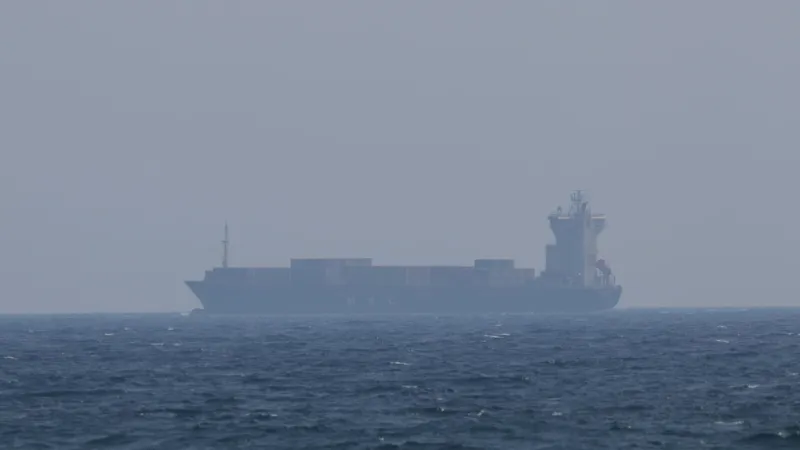
As the two-week period unfolds, global energy markets and shipping industries will also be closely monitoring the situation. A sustained period of calm would significantly reduce volatility, offering relief to global supply chains and consumer prices.
The success of this temporary de-escalation hinges not only on the immediate adherence to the agreed terms but also on the willingness of both the US and Iran to engage in good faith towards a more permanent diplomatic solution. The path ahead remains fraught with significant obstacles.
This development underscores the unpredictable dynamics of international relations, where periods of intense tension can sometimes give way to unexpected diplomatic openings, driven by a mutual recognition of the costs of unchecked conflict.