 Angel Doris
NEW YORK — New York State Assemblymember Zohran Mamdani has introduced a landmark legislative proposal in 2026 aiming to impose a significant tax on luxury penthouse pieds-à-terre, directly impacting a cadre of the nation's wealthiest, including tech titan Jeff Bezos and President Donald Trump. The move seeks to harness revenue from non-primary, high-value residences to address stark economic inequality across the state and bolster critical public services.
The proposed levy, colloquially dubbed the “Mamdani Tax,” targets properties exceeding a yet-to-be-finalized valuation threshold that are not the owners primary residence and are often used sporadically. Its focus is squarely on the ultra-luxury segment of the real estate market, particularly in urban centers like Manhattan, where such opulent, occasionally occupied dwellings are concentrated.
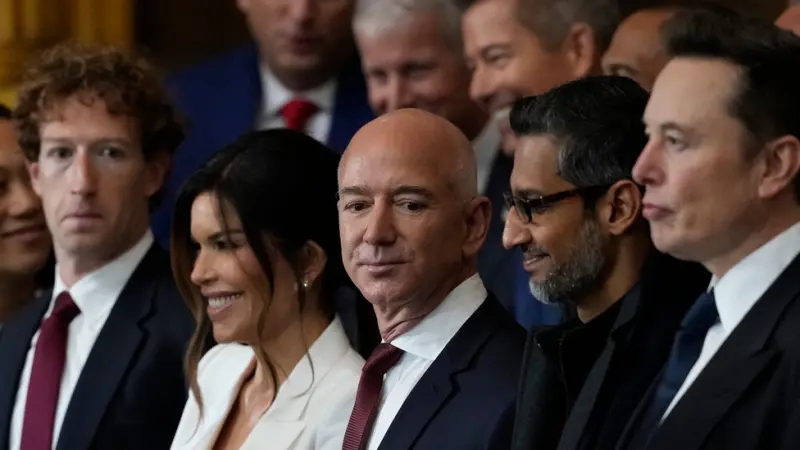
Prominent figures known for their extensive real estate portfolios, such as Amazon founder Jeff Bezos with his multiple New York City apartments, and President Donald Trump, who maintains a sprawling penthouse in Trump Tower, are among the most visible individuals whose assets could be directly affected. The legislation represents a direct challenge to the financial practices of the super-rich.
Assemblymember Mamdani, representing parts of Queens, articulated his vision for the tax in a statement earlier this year, emphasizing the need for equitable contributions. “New York cannot thrive when its housing market caters to speculative investments and temporary indulgences while ordinary families struggle for stable homes,” Mamdani stated, advocating for policies that reflect the city's true needs.
Economists supporting the bill project that the tax could generate hundreds of millions of dollars annually, funds that could be channeled into affordable housing initiatives, public education, and infrastructure projects statewide. Proponents argue that the current property tax structure inadequately captures the wealth held in these non-primary, high-value assets.
However, the proposal faces anticipated resistance from real estate industry groups and some wealthy property owners. Opponents contend that such a tax could deter investment, deflate property values, and potentially lead to a flight of high-net-worth individuals from New York, thereby harming the state's economic vitality.
The political path for the Mamdani Tax remains complex within the state legislature. While progressive lawmakers are likely to rally behind the bill, securing broader bipartisan support will be crucial. Debates are expected to intensify as lobbying efforts from both sides escalate in the coming months.
Historically, New York has explored various forms of luxury and wealth taxation, though none have reached the scope and direct targeting proposed by Mamdani for non-primary residences. This initiative joins a growing national conversation around how states and municipalities can better tax extreme wealth to fund public good.
The specifics of defining a “pied-à-terre” and enforcing the tax present administrative challenges. Lawmakers and tax authorities must carefully craft criteria to differentiate between genuine secondary homes and properties primarily held for investment or occasional, minimal use, ensuring the legislation achieves its intended target without unintended consequences.
Legal experts anticipate potential challenges from property owners arguing over the tax's fairness or constitutionality, particularly regarding assessment methodologies and definitions of residency. Any new tax of this magnitude often undergoes rigorous judicial review.
Public opinion appears divided, mirroring broader societal debates over wealth distribution. Advocacy groups for housing affordability and social justice have voiced strong support, viewing it as a necessary step towards a more equitable society. Meanwhile, business organizations express reservations, cautioning against measures they believe could stifle economic growth.
The Mamdani Tax represents a significant legislative push to redefine the obligations of the super-wealthy within New York's economic framework. Its fate will not only influence the state's fiscal future but also serve as a potential blueprint or cautionary tale for other jurisdictions grappling with similar issues of inequality and revenue generation.