 Edward DP Situmorang
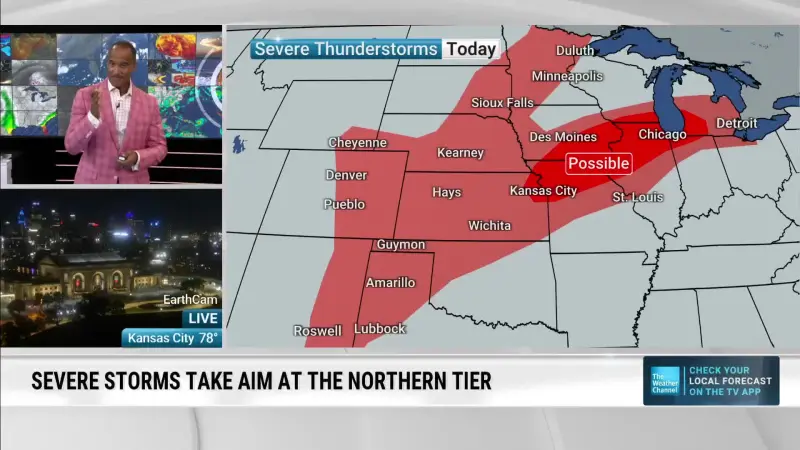
CHICAGO — The Midwest and Great Lakes regions are bracing for a renewed onslaught of severe weather today, after a night of powerful tornadoes ripped through several states, causing widespread damage, injuries, and significant power outages, prompting emergency declarations and swift response efforts from state and federal agencies.
The National Weather Service confirmed multiple tornado touchdowns across Illinois, Wisconsin, and Indiana late Tuesday, with preliminary reports indicating dozens of structures damaged or destroyed. Local hospitals reported an influx of patients with minor to moderate injuries, though no fatalities have been confirmed as of early Wednesday morning.
Energy providers are working feverishly to restore power to hundreds of thousands of homes and businesses. Utility crews, some dispatched from neighboring states, face challenging conditions with downed power lines and extensive debris blocking roads in affected areas.
Today's forecast indicates a high probability of new severe thunderstorms, capable of producing large hail, damaging winds, and additional tornadoes. The system is expected to track eastward, bringing potential threats to Michigan, Ohio, and parts of Pennsylvania throughout the afternoon and evening.
Dr. Elaine Richter, a lead meteorologist with the National Weather Service, urged extreme caution. “The atmospheric conditions remain highly volatile across much of the central and eastern Great Lakes basin,” Richter stated. “Residents must prioritize safety and heed all warnings issued by local authorities and the NWS.”
President Donald Trump has been briefed on the evolving situation and has assured governors of federal support. The Federal Emergency Management Agency (FEMA) is coordinating with state emergency management agencies to assess needs and pre-position resources, including disaster relief teams and supplies.
Beyond immediate threats, the economic repercussions are beginning to emerge. Agricultural areas in central Illinois and Indiana reported significant crop damage, impacting nascent planting seasons. Supply chain disruptions are also anticipated, given the regions critical role in national logistics.
State emergency management officials are advising residents to have a robust emergency plan in place, including access to safe shelters, emergency kits, and multiple methods for receiving weather alerts. “The resilience of our communities is evident, but the danger has not passed,” said a spokesperson for the Illinois Emergency Management Agency.
The recent spate of severe weather events has reignited discussions about infrastructure resilience and preparedness strategies in regions historically prone to such phenomena. Experts emphasize the importance of robust early warning systems and public education initiatives.
While the immediate focus remains on life safety and property protection, long-term recovery efforts are expected to be substantial. Local charities and volunteer organizations are mobilizing to provide shelter, food, and other essential services to displaced individuals and families.
The coming days will be critical as communities begin the arduous process of clearing debris and assessing the full extent of the damage, all while remaining vigilant for further weather threats. Authorities stress that public cooperation with emergency directives is paramount to minimizing further harm.