 Robert Andrison
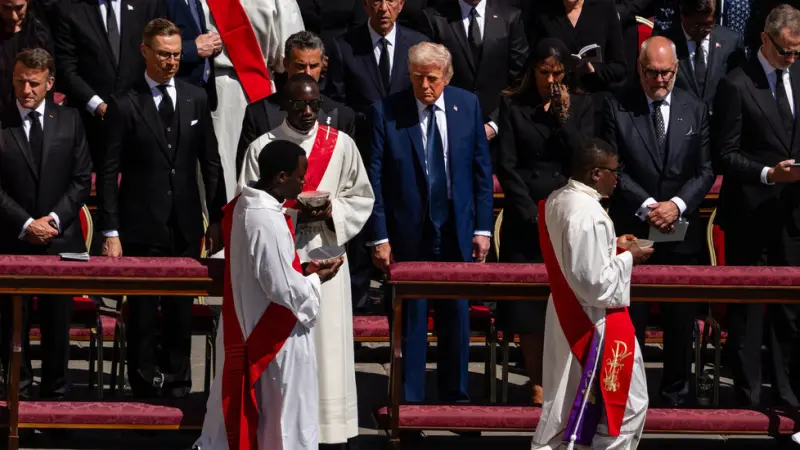
VATICAN CITY — Pope Francis has unequivocally clarified that his recent address, which drew parallels to historical tyrants, was not intended as a critique of President Donald Trump or any specific contemporary world leader. The pontiff aimed to put to rest widespread speculation that had interpreted his remarks as a veiled rebuke of the current United States administration, emphasizing the universal nature of his spiritual and ethical message.
The clarification comes after a homily delivered last week, where Pope Francis spoke broadly about leaders who abuse power and suppress their people, prompting immediate conjecture among political observers and media outlets worldwide. Many analysts swiftly linked these general statements to President Trump, given ongoing global political discourse and the perceived tensions between some of the Pope’s social teachings and the President’s policies.
Speaking to journalists following his weekly general audience, Pope Francis directly addressed the controversy. “My words were about historical patterns of power and human frailty, not about particular individuals in current political office,” the Pope stated, according to Vatican press office reports. “To interpret them as aimed at President Donald Trump, or anyone else specifically, is a misreading of my pastoral message.”
President Trump, now in his second term in 2026, has maintained a complex relationship with various international figures, including religious leaders. While direct confrontation with the Vatican has been sporadic, differing viewpoints on climate change, migration, and economic justice have occasionally surfaced.
The pontiff underscored that his reflections on leadership and tyranny are rooted in centuries of Christian social doctrine, designed to offer guidance on governance that serves the common good, rather than engaging in partisan political commentary. “The Church's mission is to speak to the conscience of humanity, to remind all leaders of their sacred duty to protect human dignity and foster peace, not to engage in political mudslinging,” he added.
Vatican observers noted that such clarifications are not uncommon for Pope Francis, who often speaks with a candidness that sometimes leads to diverse interpretations. The prompt response, however, highlights the Vatican's desire to maintain diplomatic channels and avoid unintended diplomatic friction, especially with a major global power like the United States.
Sources close to the Holy See suggested that the Pope was genuinely concerned about the distraction caused by the misinterpretation, believing it overshadowed the deeper spiritual and moral lessons he intended to convey about the dangers of unchecked power and the importance of servant leadership across all epochs and cultures.
This incident underscores the delicate balance the Vatican consistently navigates as it seeks to be a moral voice on the global stage without being perceived as interfering in the sovereign affairs of nations. The Pope’s message, consistently focused on humility and service, aims for broad applicability rather than pointed political barbs.
President Trump's administration has not yet issued an official response to the Pope's clarification. However, diplomatic channels between Washington and the Vatican remain open, with regular communication on matters of shared interest, including humanitarian aid and religious freedom initiatives globally.
The Pope's insistence on the universal nature of his teachings reinforces a consistent theme of his pontificate: calling all individuals, particularly those in positions of authority, to introspection regarding their exercise of power and their commitment to justice and charity for all people, irrespective of their political alignment.