 Debby Wijaya
WASHINGTON — President Donald Trump today declared he had “no problem” with a Russian oil tanker bringing critical relief supplies to Cuba, effectively signaling a potential pause in the long-standing US economic blockade for humanitarian purposes.
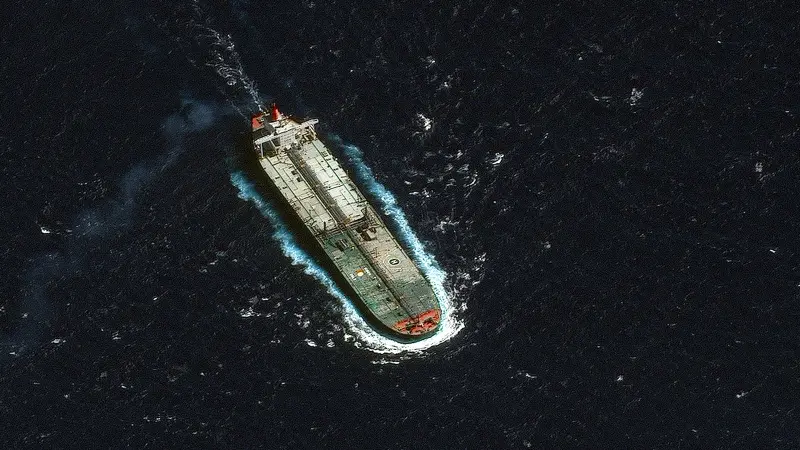
The President’s statement, made during an unscheduled press availability at the White House, addressed the arrival of a Russian-flagged vessel, reportedly carrying fuel and other necessities, which is en route to Havana amidst acute shortages on the island nation.
This marks a significant rhetorical departure from traditional US foreign policy, which has historically viewed any substantial foreign aid to Cuba with suspicion, particularly from nations like Russia, a long-term geopolitical rival.
For decades, the United States has maintained a comprehensive economic embargo against Cuba, aimed at pressuring the communist government. The arrival of the Russian tanker, however, appears to challenge the strict interpretation of these sanctions, at least in the Presidents current outlook.
President Trump emphasized the humanitarian aspect of the Russian mission, stating, “If people are suffering, and Russia wants to help them, I have absolutely no problem with that.” This remark suggests a pragmatic approach to foreign policy, prioritizing immediate relief over strict adherence to existing sanctions architecture.
The White House Press Secretary later elaborated, indicating that while the broader economic sanctions against Cuba remain in place, specific exemptions or a tacit allowance for humanitarian aid could be considered on a case-by-case basis, especially when facilitated by third parties.
The Russian Foreign Ministry, in a statement released earlier this week, confirmed the tanker’s mission was purely humanitarian, aimed at alleviating a severe energy and food crisis on the island. Moscow has long condemned the US blockade as an outdated and cruel policy.
Analysts are keenly watching how this development will reshape dynamics between Washington, Havana, and Moscow. It could signal either a temporary humanitarian gesture or a more profound shift in the Presidents strategy toward Cuba and its international allies.
Congressional reaction is anticipated, with some lawmakers likely to express concern over any perceived softening of the US stance against the Cuban government or an emboldening of Russian influence in the Western Hemisphere.
Conversely, humanitarian organizations and advocates for closer US-Cuba ties may welcome the Presidents flexibility, arguing that civilian populations should not bear the brunt of geopolitical disputes.
Cuba has been grappling with persistent fuel shortages and economic hardship, exacerbated by a decline in support from its traditional allies and the continued pressure of US sanctions. The Russian delivery is expected to provide temporary but much-needed relief.
The situation underscores the complex interplay of foreign policy, human rights, and international relations under the Trump administration in 2026, as it navigates both domestic priorities and global challenges.
This decision could also set a precedent for how the US responds to similar humanitarian crises in nations currently under American sanctions, potentially opening avenues for aid without fully lifting economic restrictions.