 Dorry Archiles
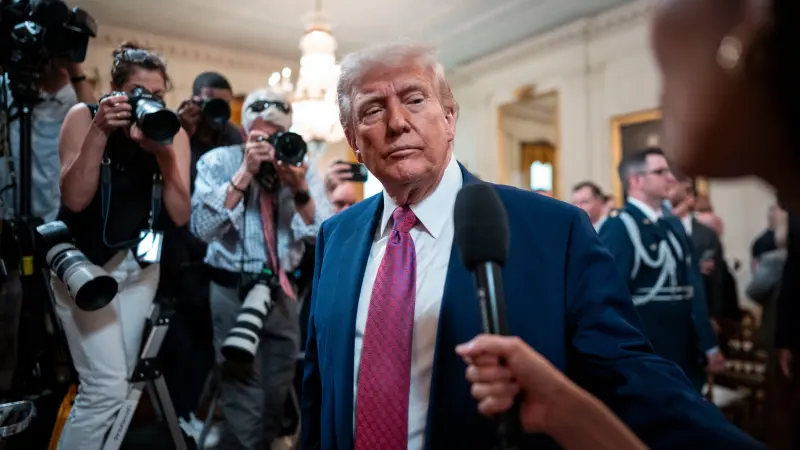
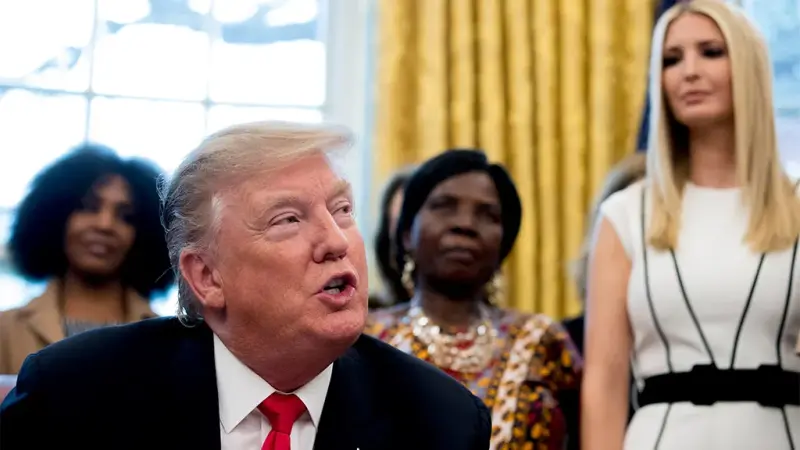
WASHINGTON — Widespread demonstrations by the "No Kings" movement erupted across major U.S. cities this week, passionately decrying President Donald Trump's evolving policy agenda and what organizers allege is an expansion of executive authority.
The protests target specific presidential directives, recent legislative proposals, and judicial appointments, which activists contend erode democratic norms and concentrate power within the executive branch.
From New York City to Los Angeles, thousands marched, carried signs, and chanted slogans that echoed the movement's central theme: a rejection of perceived authoritarian tendencies and a demand for greater governmental accountability.
Critics cite recent executive orders on immigration, proposals for expanded federal surveillance, and a contentious infrastructure bill that allegedly favors corporate interests over environmental protection as primary grievances fueling the public outcry.
"We are witnessing a systematic dismantling of checks and balances," stated Dr. Lena Khan, a spokesperson for the "No Kings" coalition, at a rally outside the Supreme Court. "Our nation was founded on the principle that no one is above the law, and certainly, no one is a king."
The White House, in response, dismissed the demonstrations as politically motivated and misinformed. Press Secretary Olivia Vance asserted, "These protests are merely a vocal minority attempting to obstruct a popular agenda that aims to strengthen America for all citizens."
Some political analysts and supporters of the administration argue that President Trump is simply fulfilling campaign promises and exercising legitimate executive authority within the bounds of the Constitution, particularly during a period of complex national and global challenges.
Interviews with participants revealed a deep-seated concern for the future of democratic institutions. "This isnt about left or right anymore," explained Sarah Chen, a student protester in Chicago. "It is about protecting the foundation of our republic against unchecked power."
Beyond Washington D.C., significant gatherings occurred in Portland, Seattle, and Atlanta, employing various tactics including peaceful marches, sit-ins, and robust digital advocacy campaigns to amplify their message.
Historians note parallels to past periods of intense political polarization and public outcry against perceived government overreach, though the digital age now amplifies these movements with unprecedented speed and reach.
Observers suggest the sustained pressure from the "No Kings" protests could influence public opinion and potentially reshape the legislative landscape, especially heading into mid-term election discussions later this year.
The movement faces challenges in maintaining momentum, unifying diverse protest groups under a singular banner, and translating public anger into tangible policy changes or electoral outcomes.
The widespread "No Kings" protests have dominated national headlines, sparking vigorous debate across cable news, social media platforms, and op-ed pages regarding the current state and future trajectory of American democracy.
Law enforcement agencies across the country reported largely peaceful demonstrations, though increased police presence was notable in several metropolitan areas to manage crowd control and ensure public safety.
The protests unfold against a backdrop of a mixed economic outlook, with some critics lambasting the administration's fiscal policies while others laud recent job growth figures and economic stability.
Ultimately, the "No Kings" movement represents a significant and organized challenge to the ruling administration, signaling a determined opposition willing to engage in sustained public dissent to influence national policy.