 Angela Stefani
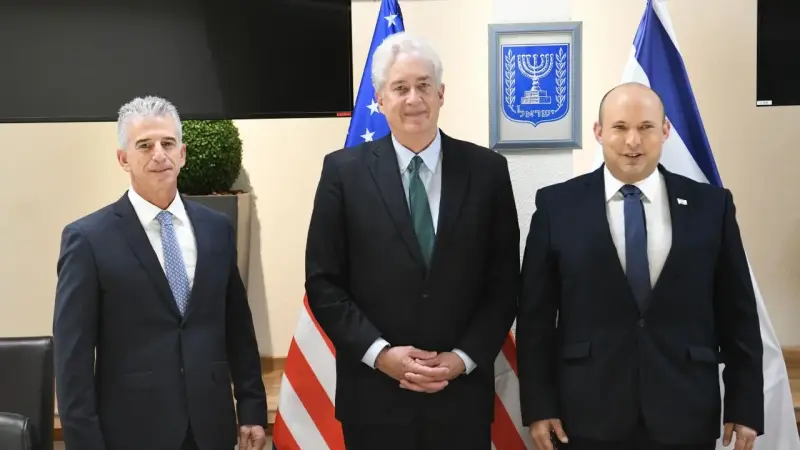
WASHINGTON — The Director of National Intelligence recently revealed a significant strategic divergence between the United States and Israel concerning their ultimate objectives in any potential conflict with Iran.
During a recent intelligence briefing, the US spy chief underscored that while both nations share concerns about Tehrans nuclear ambitions and regional destabilizing activities, their endgame goals for a military confrontation or sustained pressure campaign against Iran are not aligned.
The Director indicated that US war aims are primarily focused on deterring nuclear proliferation and preventing regional escalation, whereas Israels objectives appear to encompass a more expansive goal of fundamentally altering the Iranian regimes capabilities or even its leadership structure.
This candid assessment from a top intelligence official comes amidst heightened tensions in the Middle East and ongoing international efforts to contain Iran's nuclear program and its network of proxy forces.
President Donald Trump's administration has consistently maintained a strong stance against Iran, imposing stringent sanctions and engaging in robust diplomatic pressure. However, the intelligence communitys appraisal suggests that even within this firm approach, nuances exist regarding the threshold and scope of military intervention.
Sources close to the intelligence community, speaking anonymously due to the sensitivity of the information, suggest the DNI's statement reflects a long-standing internal debate about the limits of US intervention in the region and the potential for allied actions to draw Washington into broader conflicts.
Israeli officials have frequently articulated their nation's unwavering commitment to preventing Iran from acquiring nuclear weapons, often emphasizing a willingness to act unilaterally if necessary. This posture, according to US intelligence, informs their more ambitious war aims.
The DNI's remarks highlight the delicate balance President Trump's foreign policy team must navigate, aiming to support a key regional ally while safeguarding US interests and avoiding unintended escalation.
Analysts note that disparate war aims could complicate joint military planning and intelligence sharing, potentially leading to misunderstandings or uncoordinated actions during a crisis.
Such a divergence requires careful diplomacy and coordination to ensure that any actions taken in the region do not inadvertently undermine broader strategic objectives or lead to unintended consequences.
Congressional leaders have been briefed on these assessments, prompting renewed discussions behind closed doors regarding US engagement with both Israel and Iran.
The intelligence community continues to monitor Iran's activities closely, providing regular updates to policymakers on the countrys nuclear advancements and its support for regional proxy groups.
This revelation underscores the complex geopolitical landscape of the Middle East, where even close allies may harbor fundamentally different visions for the future of regional power dynamics.
Maintaining a unified front while respecting national sovereignty and distinct security imperatives remains a formidable challenge for diplomatic efforts in the coming months.