 Chris Robert
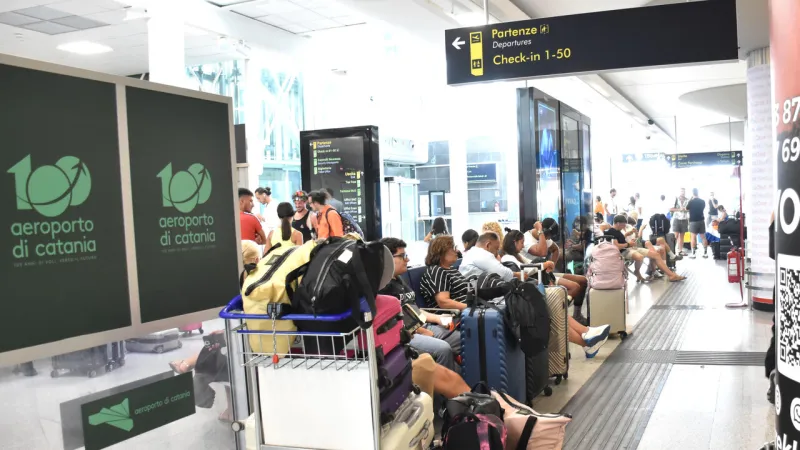
Catania, Italy – Catania Fontanarossa Airport is actively working towards a full return to normal flight operations today after authorities downgraded the alert level for Mount Etna's volcanic activity. The President of SAC, the airport's managing company, indicated that restoring full normality would require several more hours following the shift in volcanic alert status.
The announcement brings significant relief to travelers and airlines impacted by the recent precautionary measures. Flights had been curtailed or diverted as a safety protocol following increased seismic and eruptive activity from Europe's most active volcano. The airport serves as a critical gateway to eastern Sicily.
Airport staff and emergency services have been on high alert, meticulously monitoring conditions and coordinating with civil protection agencies. The decision to resume flight activities was directly linked to the passage of the volcanic activity alert state from a higher level of caution to a more manageable status, indicating a reduction in immediate risk.
“Per il ritorno alla normalità dello scalo servirà qualche ora,” stated the SAC President, emphasizing the ongoing efforts to ensure all systems and infrastructure are fully operational and safe for commercial aviation. This cautious approach underscores the priority placed on passenger safety and operational integrity.
Mount Etna, towering over Sicily, is renowned for its persistent yet often unpredictable eruptions. Its activity frequently generates ash plumes that pose a significant hazard to aviation, as volcanic ash can damage aircraft engines and impair visibility. Consequently, the region's air traffic control and airport management maintain stringent protocols.
This recent disruption is not an isolated incident. The airport has historically faced intermittent closures and operational challenges due to Etna's volcanic episodes. A previous report noted Mount Etna Eruption Resumes, Flight Alert Issued As Activity Shifts, highlighting the recurring nature of such events.
The economic repercussions of airport closures, even temporary ones, are substantial for Sicily, a region heavily reliant on tourism. Catania Airport facilitates millions of passengers annually, making disruptions particularly impactful on local businesses, travel itineraries, and the broader regional economy.
Restoring normality involves clearing runways of any residual volcanic ash, conducting thorough safety inspections of air traffic control systems, and recalibrating flight schedules. Airlines must also manage aircraft repositioning and rebooking passengers, a complex logistical undertaking.
Despite these recurring challenges, Sicily has developed robust emergency response mechanisms and a high degree of resilience in managing volcanic threats. Local authorities, in collaboration with national agencies, have refined their protocols over years of experience with Etna's dynamic nature.
While the immediate crisis abates, the long-term vigilance against Etna's activity remains paramount. Scientists from the National Institute of Geophysics and Volcanology (INGV) continuously monitor the volcano, providing critical data that informs aviation safety decisions and public alerts.
Beyond volcanic activity, seismic events also periodically affect the Catania region. For example, a Magnitude 3.9 Quake Jolted Catania in a separate incident, demonstrating the multifaceted geological challenges faced by the area. Such events further underscore the need for resilient infrastructure and preparedness.
The incident at Catania serves as a salient reminder of the delicate balance between human infrastructure and powerful natural phenomena. Airports worldwide, especially those located near active geological zones, must continually adapt their operational strategies to mitigate risks and ensure safety.