 Dorry Archiles

Geneva, Switzerland – A landmark report released today by the Intergovernmental Panel on Climate Change (IPCC) confirms the global climate crisis has entered a more acute phase, urging immediate, drastic action from international leaders to avert catastrophic environmental and economic consequences by 2030. The comprehensive assessment, titled Clima: The Second Reckoning, outlines intensified warming trends, accelerating sea-level rise, and more frequent extreme weather events across every continent.
The report, compiled by hundreds of leading scientists, serves as a stark follow-up to previous warnings, emphasizing that the world is now experiencing the compounded effects of unaddressed emissions and inadequate adaptation strategies. Its findings underscore a clear trajectory towards irreversible tipping points if current global policies remain unchanged.
Key among the IPCCs alarming conclusions is the accelerating rate of global mean temperature increase. Data indicates that the planet is warming faster than projected in earlier models, pushing the threshold for the 1.5-degree Celsius limit closer than anticipated. This heightened pace threatens to overwhelm natural systems and human infrastructure at an unprecedented scale.
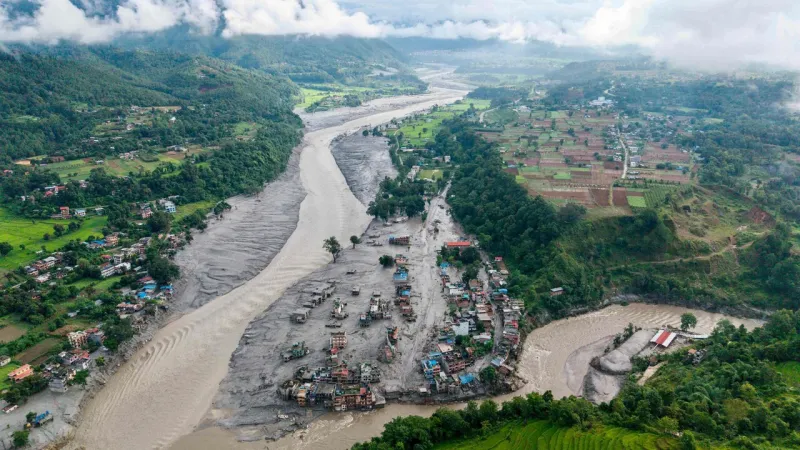
Regions worldwide are already grappling with the implications. Persistent drought conditions are devastating agricultural yields in Sub-Saharan Africa and parts of North America, while unprecedented rainfall and flooding events have displaced millions in Southeast Asia and Europe. Coastal communities face an existential threat from rising sea levels, necessitating urgent relocation and protective measures.
The economic ramifications are equally profound. The report details billions in projected losses due to infrastructure damage, decreased agricultural productivity, and the burgeoning costs of disaster relief and public health crises exacerbated by climate change. Developing nations, with fewer resources, bear a disproportionate burden, deepening global inequalities.
Despite the scientific consensus, political will for coordinated action remains fragmented. While many European nations have committed to ambitious decarbonization targets, major economies including the United States, under President Donald Trump’s administration, continue to prioritize economic growth, often at the expense of stricter environmental regulations. This divergence in approach significantly complicates multilateral efforts.
“The science is unequivocal; the window for effective action is rapidly closing,” stated Dr. Elena Petrova, co-chair of the IPCC working group, during a press conference in Geneva. “We are no longer talking about distant threats; these are present dangers that demand a unified global response, not piecemeal efforts.”
The report specifically highlights the critical role of energy transition, advocating for an aggressive shift away from fossil fuels towards renewable energy sources. It calls for massive investments in solar, wind, and geothermal power, alongside robust energy efficiency programs and sustainable land-use practices.
Furthermore, the assessment stresses the imperative of climate adaptation. Even with immediate mitigation efforts, many impacts are now unavoidable. Communities must develop resilience strategies, including early warning systems, climate-resistant infrastructure, and sustainable water management techniques.
International cooperation, the report argues, is paramount. Effective climate action requires burden-sharing, technology transfer, and financial support for vulnerable nations. The existing frameworks, such as the Paris Agreement, must be strengthened and rigorously implemented, with greater accountability for all signatories.
However, geopolitical tensions and competing national interests often overshadow collaborative efforts. The allocation of resources, for instance, sometimes shifts to address immediate crises like ongoing conflicts, potentially diverting focus and funds from long-term climate initiatives. This interplay of global challenges presents a complex obstacle to achieving climate goals.
Critics of the current global response point to the inherent challenges of securing widespread compliance. Developing nations frequently argue that industrialized countries, historically responsible for the bulk of greenhouse gas emissions, should bear a greater financial responsibility for climate solutions.
The Clima: The Second Reckoning report concludes with a stark warning: failure to implement substantial changes by the end of this decade will lock the world into a future characterized by escalating humanitarian crises, irreversible ecological damage, and profound socioeconomic instability. The message to leaders is clear: the time for deliberation is over; the era of decisive action must begin now.
The global scientific community stands united in its assessment, providing a robust evidence base for policymakers. The urgency of these findings is undeniable, setting the stage for critical discussions at upcoming international summits and national policy debates.
Many expect environmental advocacy groups and citizen movements to amplify these findings, exerting increased pressure on governments and corporations to adopt more aggressive climate policies. Public awareness and engagement will be crucial catalysts for change in the face of such an urgent global threat.