 Demian Sahputra
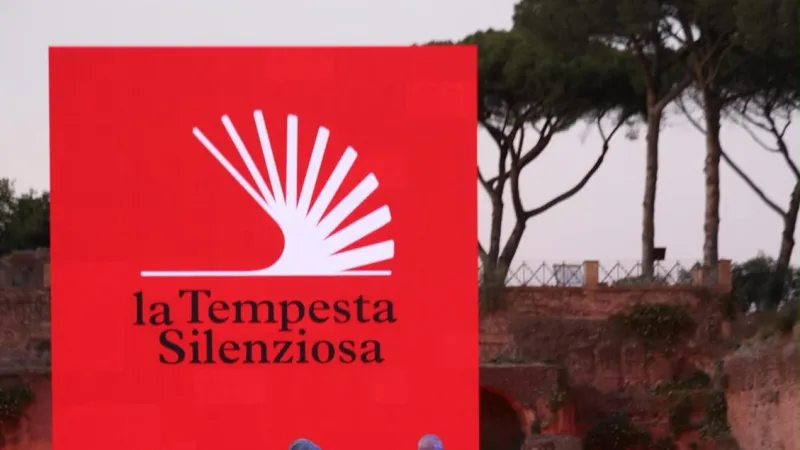
Rome recently became the stage for an extraordinary cultural phenomenon as approximately 30,000 citizens converged to participate in acclaimed Italian author Alessandro Baricco's "Silent Storm", a collective reading ritual that transformed the city's bustling piazzas into a vast, hushed literary amphitheater. Attendees, each holding a copy of Baricco's seminal work, "White Nights", immersed themselves in the narrative, creating a powerful, shared experience of introspection and communal engagement.
The unprecedented event, conceived by Baricco himself, underscored a profound desire among Romans for collective cultural experiences that transcend digital distractions. Participants spanned all generations, from students to retirees, united by a singular purpose: to read in unison, albeit silently, fostering an atmosphere of profound contemplation rarely seen in a major European capital.
Baricco, known for his distinctive narrative style and philosophical depth, initiated the "Silent Storm" as an antidote to the pervasive noise of modern life. His vision aimed to demonstrate the enduring power of literature to connect individuals, not through discourse, but through simultaneous, personal immersion in a shared text. This initiative highlights a broader trend towards re-evaluating public spaces as venues for communal intellectual pursuits.
The chosen novel, "White Nights" (Le notti bianche), a melancholic tale of love, longing, and fleeting encounters, resonated deeply with the participants. Its evocative prose and exploration of human connection provided fertile ground for the reflective experience Baricco sought to cultivate, reinforcing the storys universal themes within a distinctly Roman setting.
Organizers meticulously planned the logistical aspects, ensuring seamless access for the tens of thousands expected to attend. Designated reading zones were established across various historical sites, allowing for both intimate participation and the impressive spectacle of a city absorbed in literature. The quiet concentration was palpable, a striking contrast to Romes typical vibrant energy.
Observers noted the palpable sense of unity among the diverse participants. This collective act of reading fostered a unique form of social cohesion, temporarily dissolving the usual urban anonymity. It served as a powerful testament to the community-building potential inherent in shared cultural rituals, particularly those rooted in the arts.
Such an ambitious public literary event positions Rome as a leader in innovative cultural programming, challenging conventional notions of how cities engage with their populace through art. This commitment to fostering intellectual and cultural unity stands in interesting juxtaposition with broader discussions about societal divisions, as highlighted by reports such as Mapping Italy's Divides: Intesa Sanpaolo Launches Fragility Monitor, which often delve into socio-economic disparities within the nation.
The "Silent Storm" also served as a powerful affirmation of Italy's deep-rooted literary heritage. While many nations struggle to maintain public engagement with classic and contemporary literature, this event showcased a vibrant, active readership eager to participate in meaningful cultural endeavors, moving beyond passive consumption.
Cultural commentators suggest that the success of the "Silent Storm" could inspire similar initiatives globally, prompting other metropolises to explore creative ways to reintroduce literature into the public sphere. It offers a blueprint for how cities can foster intellectual engagement and communal well-being through accessible and inclusive events.
The legacy of Baricco's "Silent Storm" extends beyond a single day of reading. It has ignited conversations about the future of public cultural spaces and the role of shared experiences in strengthening civic bonds. The event stands as a vivid reminder that even in an increasingly digital world, the simple act of reading together holds an extraordinary power to unite and inspire.