 Demian Sahputra

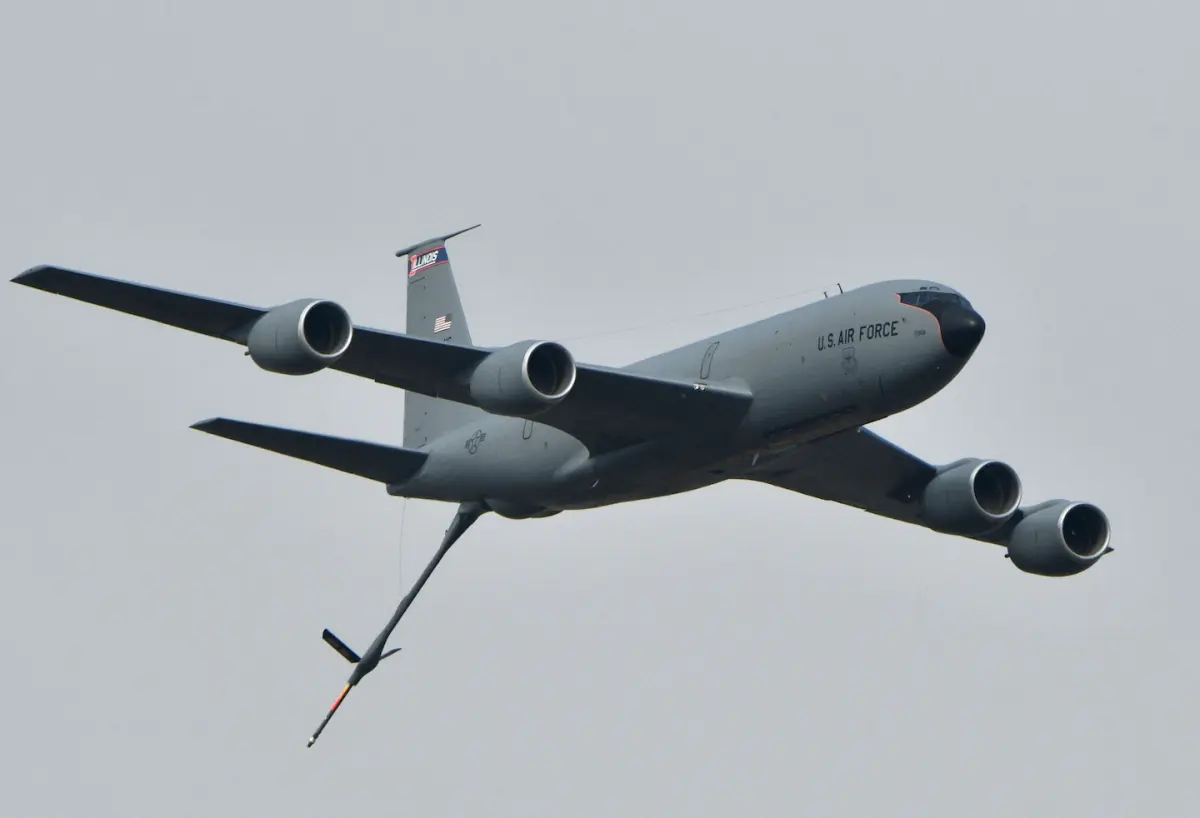
Berlin and Beirut — German Federal Development Minister Reem Alabali-Radovan abruptly canceled her planned trip to Lebanon on Monday, with her government aircraft turning back mid-flight, citing a dramatic escalation in the region's security situation. The unexpected reversal underscores growing international concern over the volatile geopolitical landscape in the Middle East, particularly the heightened tensions along the Israeli-Lebanese border.
The minister's office confirmed that the decision was made after a rapid assessment indicated a significant deterioration of safety protocols that would have compromised her official engagements in Beirut. This immediate pivot reflects the acute fragility of security conditions currently gripping southern Lebanon and its capital.
The dramatic escalation largely pertains to intensified exchanges of fire between Israeli forces and Hezbollah militants operating from Lebanese territory. These confrontations have flared with increasing frequency, raising alarms among international observers and diplomatic missions stationed throughout the region.
Alabali-Radovan's visit was intended to underscore Germany's continued commitment to humanitarian aid and developmental support for Lebanon, a nation already grappling with severe economic crises and a significant refugee population. Her mission aimed to assess the impact of German assistance and plan future collaborative projects.
Germany has consistently been a vital partner for Lebanon, channeling substantial funds into critical infrastructure, education, and healthcare initiatives. The cancellation of such a high-level visit signals the depth of concern within the German government regarding the safety of its officials and the overall stability required for effective aid delivery.
Global diplomatic efforts are intensifying to de-escalate the volatile situation. Recent statements, such as Iran Vows Decisive Action to Shield Lebanon from Israeli Aggression, illustrate the complex web of regional players and their differing approaches to the crisis. Similarly, calls from international leaders, including Rubio Urges Hezbollah to Halt Attacks First for Mideast De-escalation, highlight the urgent need for a cessation of hostilities.
The Lebanese government faces immense pressure to contain the internal fallout while navigating external belligerence. The ongoing security threats further destabilize a nation already struggling with political vacuums and widespread public discontent, making the environment particularly challenging for international cooperation.
Historically, the Israeli-Lebanese border has been a flashpoint for conflict, marked by sporadic clashes and full-scale wars. The current uptick in military activity evokes strong memories of past hostilities and fuels fears of a broader regional conflagration.
President Donald Trump's administration has consistently monitored the Middle East security landscape, emphasizing the need for stability and de-escalation. Any major shift in the Israeli-Lebanese conflict could significantly impact broader regional peace initiatives and US strategic interests.
The abrupt U-turn of the German minister's plane serves as a stark reminder of the unpredictable nature of the Lebanon security situation. It underscores the profound challenges facing diplomats attempting to foster stability and deliver aid in one of the world's most volatile regions.
International organizations and aid agencies continue their operations in Lebanon under increasingly difficult circumstances, adapting to the fluid security environment. The focus remains on safeguarding humanitarian corridors and ensuring vital assistance reaches those most in need, despite the overarching regional anxieties.
Minister Alabali-Radovan's office has stated that alternative plans for engaging with Lebanese counterparts are being explored, emphasizing that Germany's commitment to the Lebanese people remains unwavering, even as the security landscape dictates immediate operational adjustments.
Analysts warn that continued escalation could have severe repercussions for the entire region, potentially drawing in additional actors and further complicating any prospects for a lasting peace. The international community is closely watching developments, urging all parties to exercise maximum restraint.
The incident with the German government jet highlights how quickly security assessments can shift in a conflict-prone zone, forcing rapid decisions that ripple through diplomatic and humanitarian channels. It is a testament to the constant vigilance required in such sensitive geopolitical arenas.
The German Ministry for Economic Cooperation and Development will likely continue to monitor the situation intently, ready to resume direct engagement when conditions permit. The safety of personnel remains paramount, influencing all future travel and operational decisions in the region.