 Chandra Wijayanto
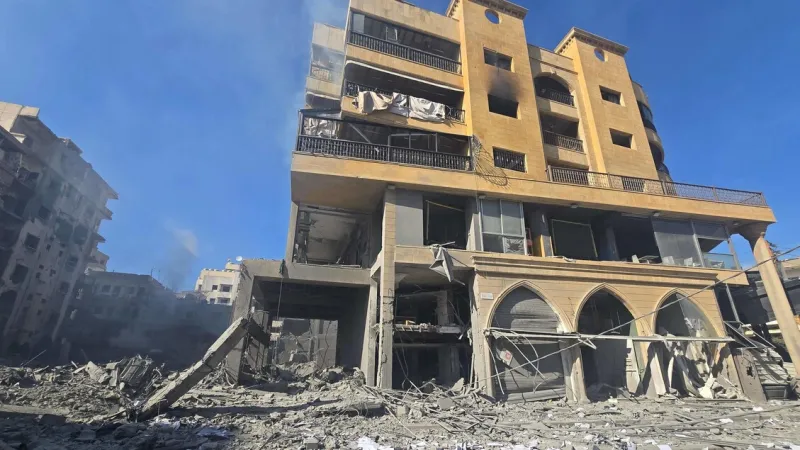
TEHRAN — Iran has issued a stark warning, declaring it will not hesitate to intervene to support Lebanon should Israel launch any aggressive actions against the nation. This firm stance comes as regional tensions continue to escalate, exacerbated by a new American counter-proposal for peace that reportedly imposes stricter conditions on Tehran.
The declaration, emanating from Iranian officials, underscores Tehran's unwavering commitment to its regional allies, particularly amidst ongoing skirmishes between Israeli forces and Hezbollah along the Israel-Lebanon border. Such a pronouncement significantly raises the stakes in an already volatile Middle East.
Simultaneously, reports indicate that the United States, under President Donald Trump's administration, has presented a new peace framework to Iran. This proposal is characterized by what sources describe as considerably tougher terms for Tehran. The specifics of these conditions remain undisclosed, but they are understood to be part of broader efforts to manage regional stability and curb Iran's nuclear ambitions and influence. This aligns with recent developments, as seen in the article Trump's Stricter Iran Proposal Ignites Tehran's Distrust.
The timing of Iran's assertive statement regarding Lebanon, juxtaposed with the revelation of a more stringent American peace overture, suggests a complex interplay of diplomatic pressure and strategic posturing. Tehran appears to be signaling its resolve to safeguard its interests and proxies, even as it navigates international demands.
Iran maintains deep ties with Hezbollah, the powerful Shiite political party and militant group in Lebanon, providing significant financial and military support. This relationship forms a cornerstone of Iran's regional strategy, aimed at projecting influence and countering what it perceives as Israeli and American hegemony.
Israel has consistently stated its intent to defend its borders and citizens from threats emanating from Lebanon, particularly from Hezbollah, which it considers a terrorist organization. Recent cross-border exchanges have heightened fears of a wider conflict, with both sides conducting preparatory military exercises.
International observers and diplomats are closely monitoring the situation, expressing profound concern over the potential for miscalculation. The prospect of Iran directly intervening in a conflict between Israel and Lebanon could trigger a devastating regional war, drawing in other major powers.
President Donald Trump's administration has maintained a firm stance against Iran's regional activities and its nuclear program. The new, tougher peace proposal is seen as a continuation of this policy, aiming to compel Tehran to scale back its support for proxy groups and adhere to international norms. This context is further illuminated by the piece Gulf Tensions Soar: US, Iran Report New Strikes Amidst Ceasefire.
Efforts for de-escalation have been sporadic and largely unsuccessful. Senator Marco Rubio previously urged Hezbollah to cease its attacks as a prerequisite for any meaningful reduction in Middle East tensions, as reported in Rubio Urges Hezbollah to Halt Attacks First for Mideast De-escalation. However, such calls have seemingly yielded little impact on the ground.
For Lebanon, a nation already grappling with profound economic and political crises, the looming threat of an escalated conflict is particularly dire. Any direct confrontation between Iran-backed forces and Israel would undoubtedly inflict further damage, deepening its humanitarian challenges.
Tehran's assertive posture is not isolated but reflects its broader foreign policy objectives. It seeks to solidify its position as a regional power, challenge the status quo, and ensure the security of its strategic interests, often through a network of alliances and proxy groups across the Levant and Persian Gulf.
Conversely, Israel views Iran's presence and its proxies on its northern border as an existential threat. Its military doctrine prioritizes preemptive action and decisive retaliation against any perceived aggression, making a direct Iranian intervention a critical red line.
The coming weeks will likely prove pivotal in determining the trajectory of these heightened tensions. The response from international bodies and the diplomatic maneuvers of major powers will be crucial in either diffusing or further exacerbating the volatile situation in the Middle East.